
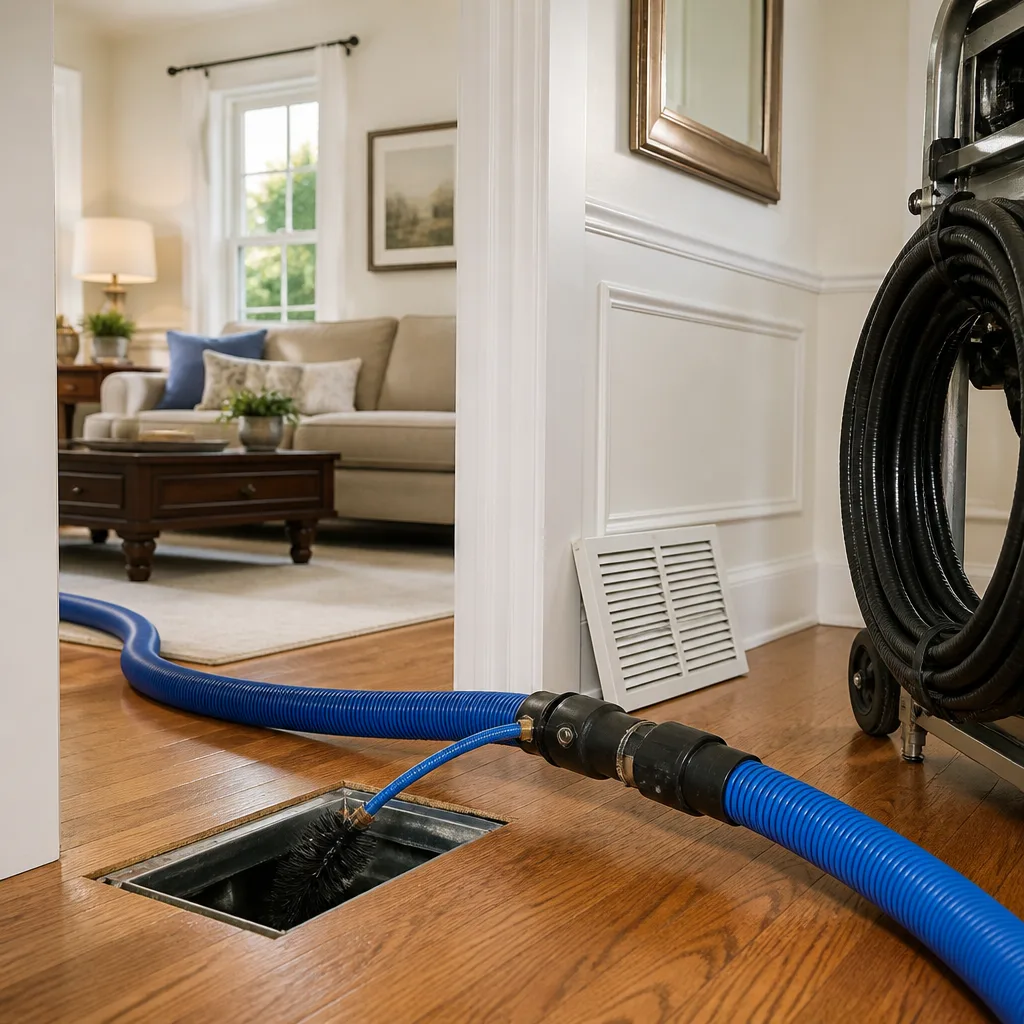
 Whole-home duct cleaning
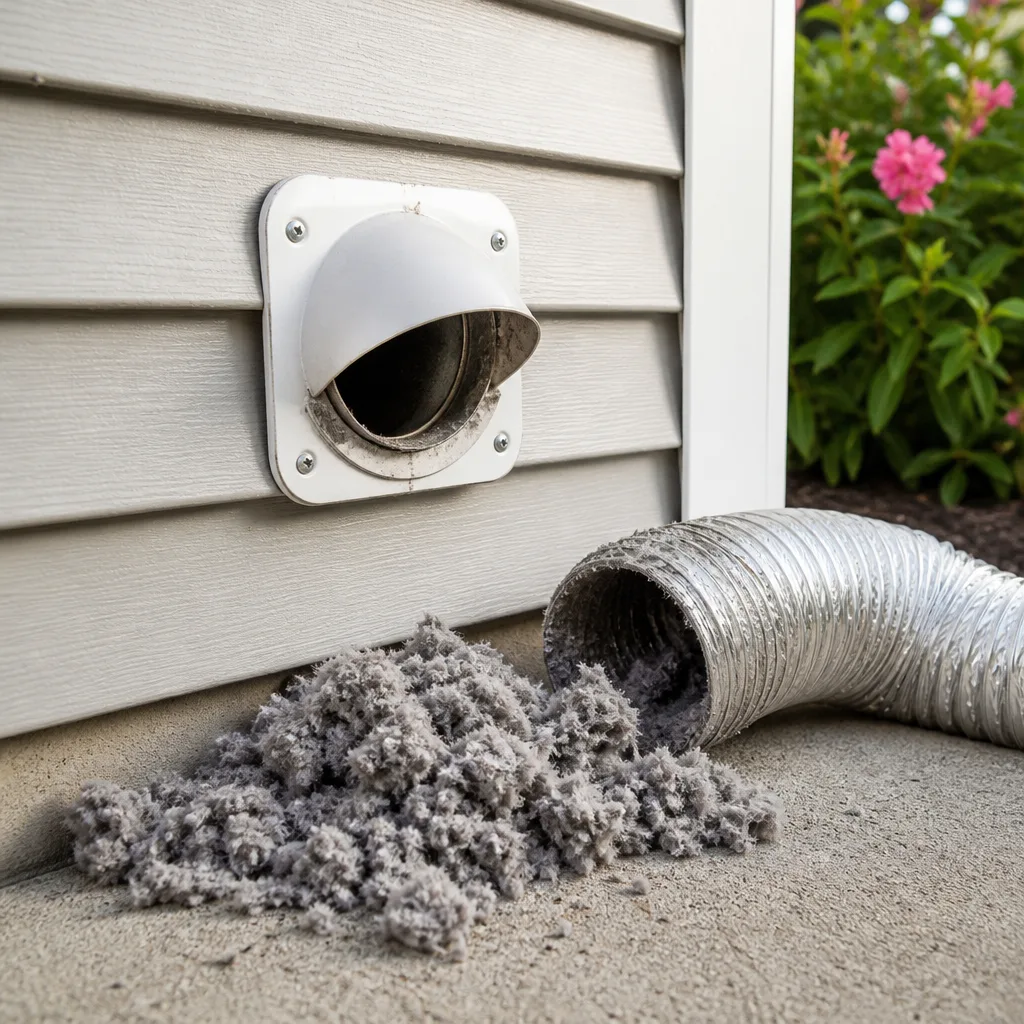 Dryer vent cleaning
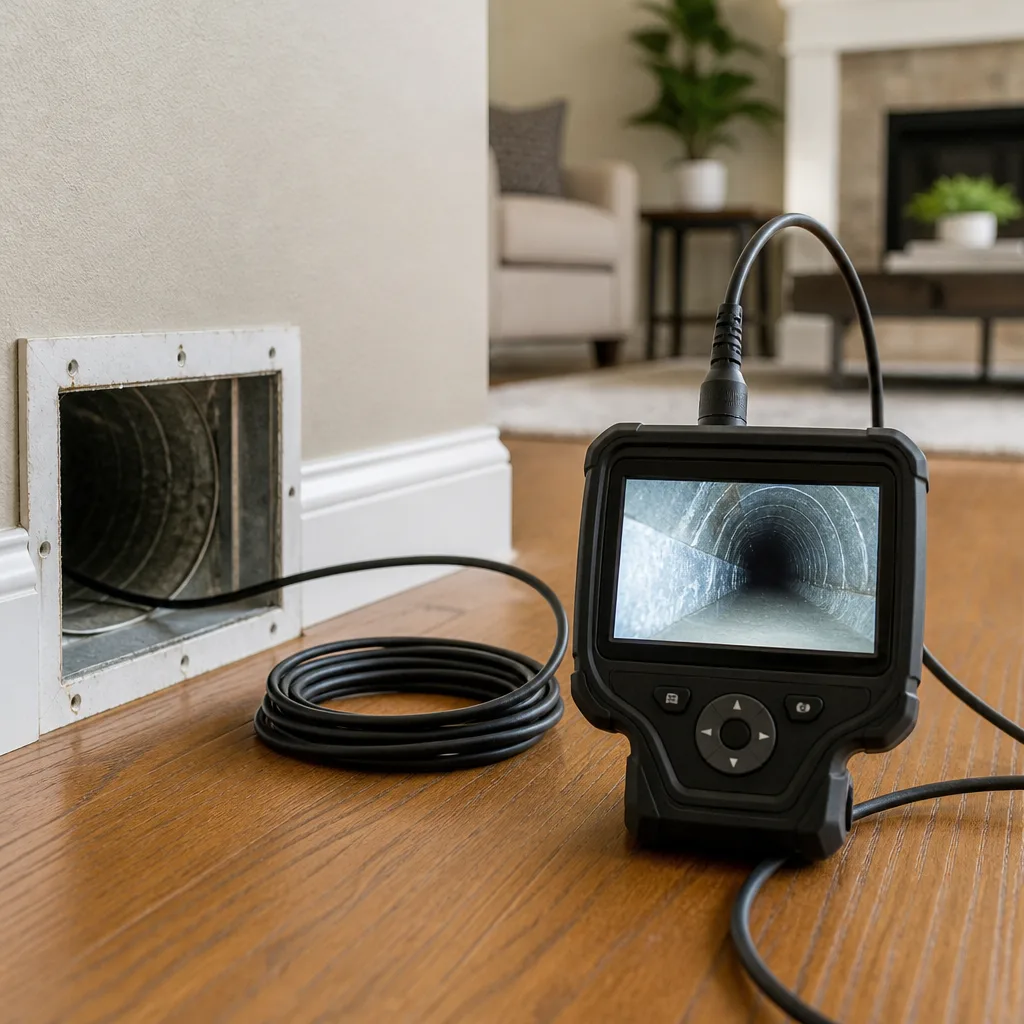 Camera inspection
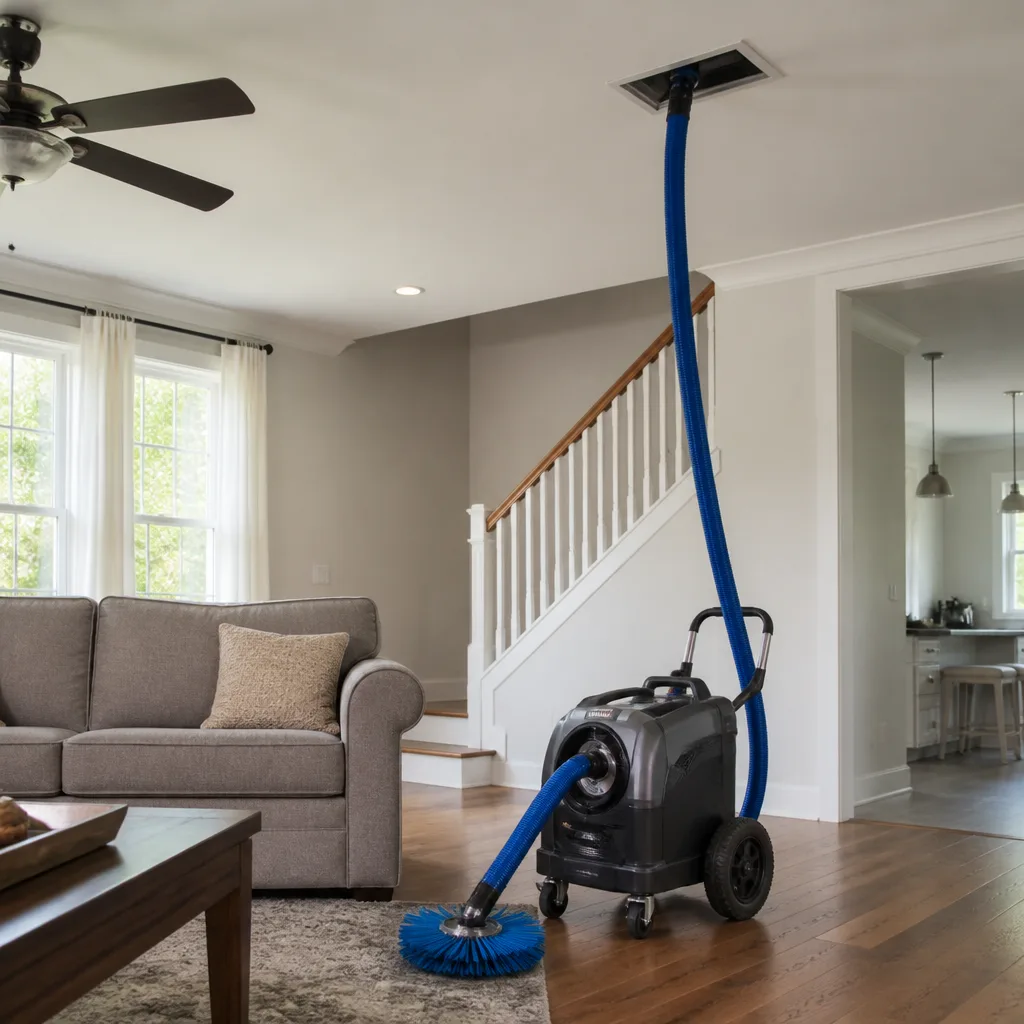 Sanitizing & deodorizing
Whole-system duct and dryer vent check with before-and-after photos - you see exactly what came out of your vents
That "$99 whole-house special" is a bait ad - the real number appears once they are in your hallway, or the "clean" is a shop-vac at the register. We photograph the inside of your ducts before and after instead.
Rotobrush Register & Grille Cleaning: The Brooklyn Owner’s Guide
We keep Rotobrush-compatible register and grille cleaning parts on the truck and installed across Brooklyn, typically landing between $85 and $190 for most townhouse and pre-war apartment systems. Most jobs are done in one visit, usually within an hour of the tech walking through the door. You discover this part has failed the usual way: one grille won’t close, a register is loose in its frame, or the whole assembly rattles every time the system kicks on.
Here’s the thing about registers and grilles on Rotobrush systems: they take more abuse than any other component. Kids step on floor registers. Vacuums catch their edges. Brooklyn’s radiator heat dries the metal and loosens the screws over a single winter. By spring, half the registers in a pre-war building are either jammed open or falling out of the floor. Paul Adeyemi has pulled registers out of Prospect Park apartments that were held in place by nothing but three layers of paint and forty years of hope.
Which Rotobrush Models This Applies To
Rotobrush systems use standard residential register and grille sizes, but the compatibility gotcha is this: the AiR+ series uses a slightly deeper boot collar than the older R2S models, which means a grille that sits flush on one will rock loose on the other. Measure the opening, not the old register. If the old register is bent, which it often is, measuring the rough opening on the floor or wall gives you the true size. We see 4×10, 4×12, and 6×12 floor registers most often in Brooklyn homes, with 8×8 and 10×10 wall grilles common in central air returns.
You’ll find the model number stamped on the underside of the register frame or on a sticker inside the boot collar. For OEM, Rotobrush parts are well made and we’ll order them when a customer asks, but for registers and grilles specifically, we’ll tell you up front: the quality aftermarket equivalents from Hart & Cooley or Shoemaker hold up just as well in Brooklyn’s conditions and cost about 30% less. This isn’t a part where paying for the Rotobrush stamp buys you a meaningfully better product.
We’re an independent service provider here in Brooklyn, not affiliated with Rotobrush, and we also keep parts around for systems from Lennox, Trane, and Carrier. That means when you call us, we’re not pushing one brand’s logo. We’re matching the right part to your system and your building’s quirks.
Styles & brands we work with
Signs Your Rotobrush Register & Grille Cleaning Is Failing
- The grille won’t stay closed or won’t stay open. The damper lever behind the louvers has stripped its pivot or the tension spring has come loose. This is the most common failure we replace in Brooklyn, especially in floor registers near entry doors.
- The register rocks or rattles when the system runs. The frame is loose in the floor or wall opening, usually because the original screws missed the subfloor or corroded out over time. The rattle is the metal edge vibrating against drywall or hardwood.
- The louvers are bent or snapped. Floor registers get stepped on. A bent louver looks cosmetic, but it changes the airflow pattern enough that the room will never heat or cool evenly until the register is replaced.
- Paint has sealed the grille shut. In older Brooklyn buildings, someone painted over the register and the louvers are now one solid unit. We can’t clean that off. The part is done, and the fix is a new register that isn’t welded together by latex.
- Dust builds up faster around one specific register. A register that doesn’t seal properly lets bypass air pull dust from wall cavities or under the floor and blow it into the room. The register isn’t just dirty; the fit or the damper has failed.
See the difference
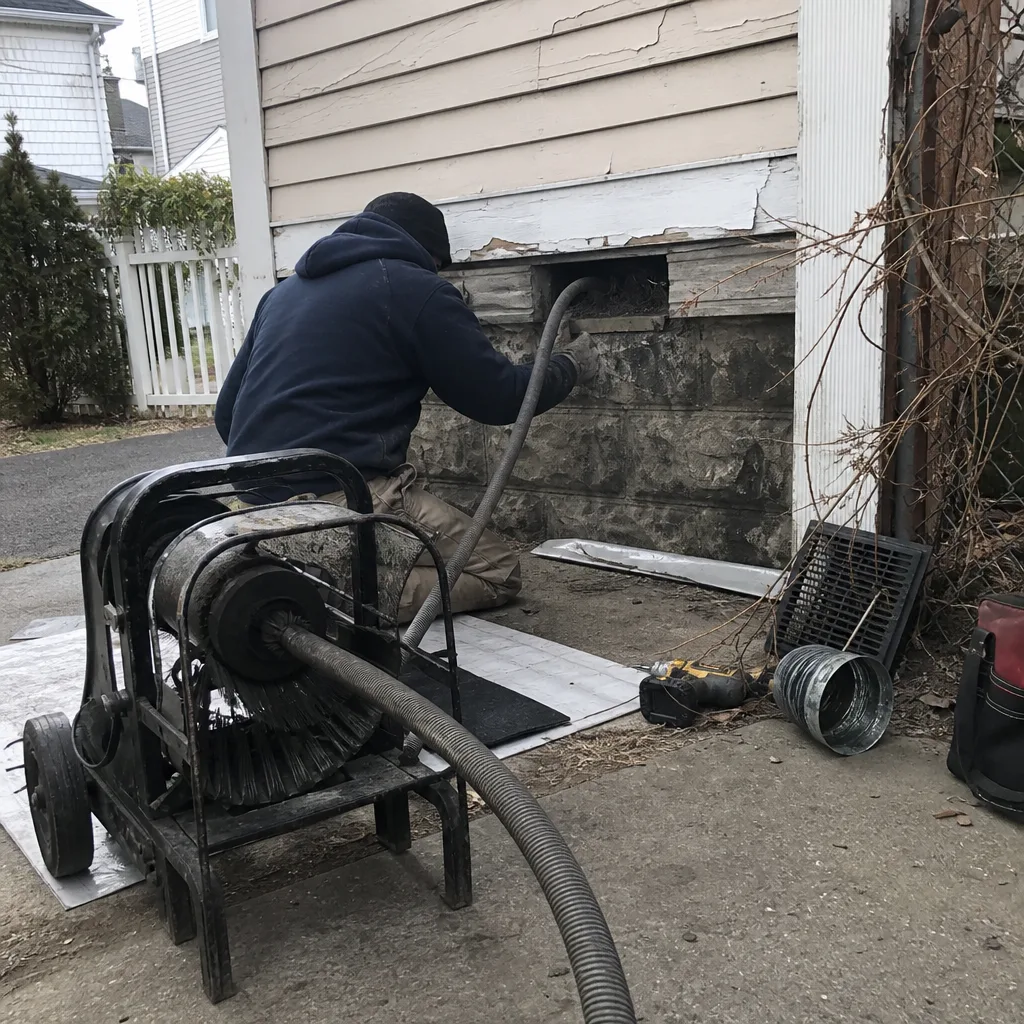 Before
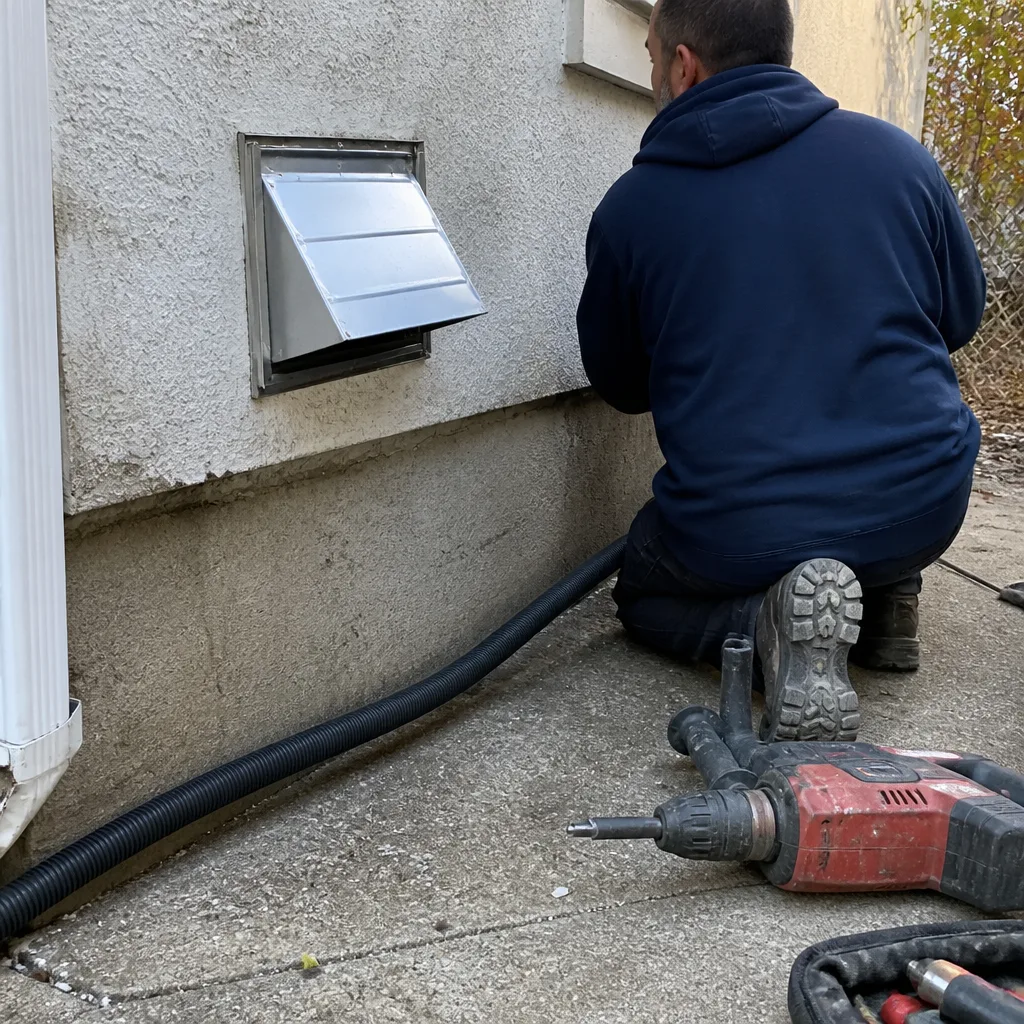 After
After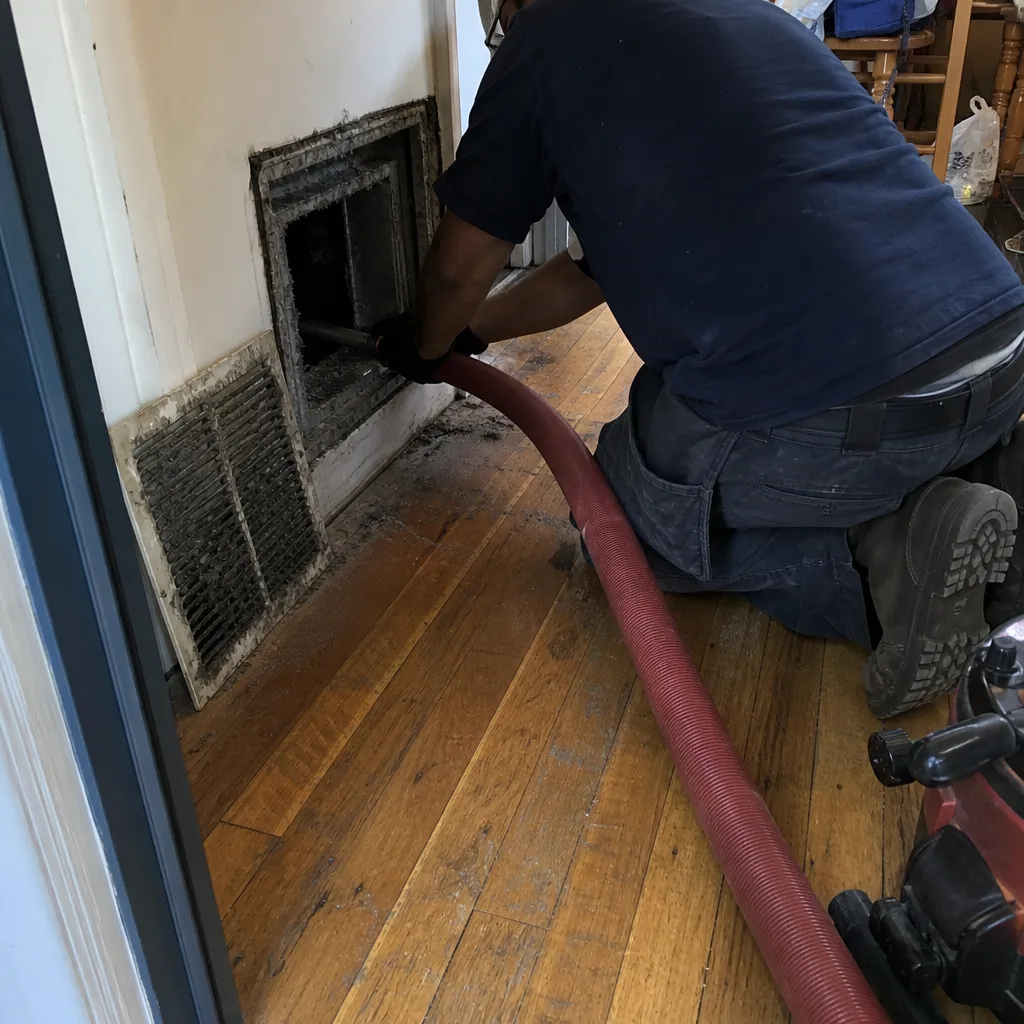 Before
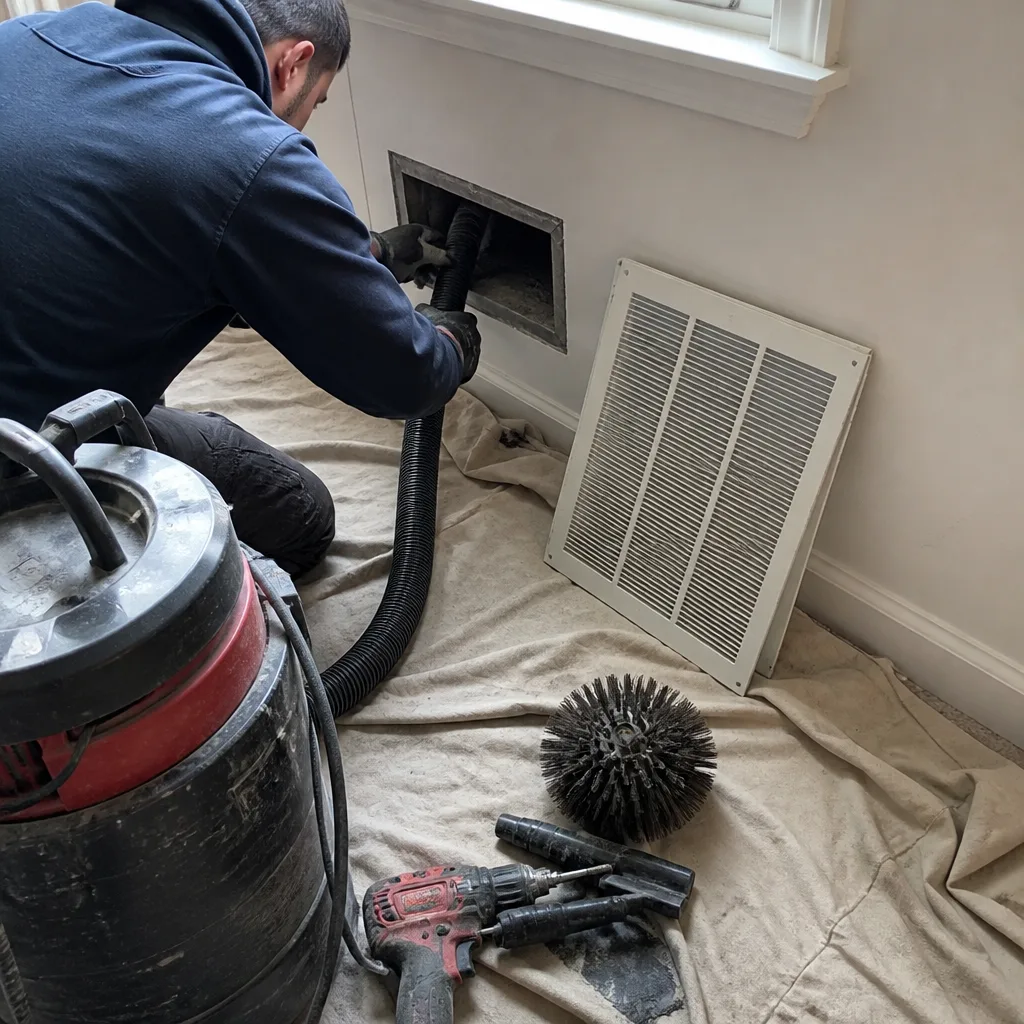 After
After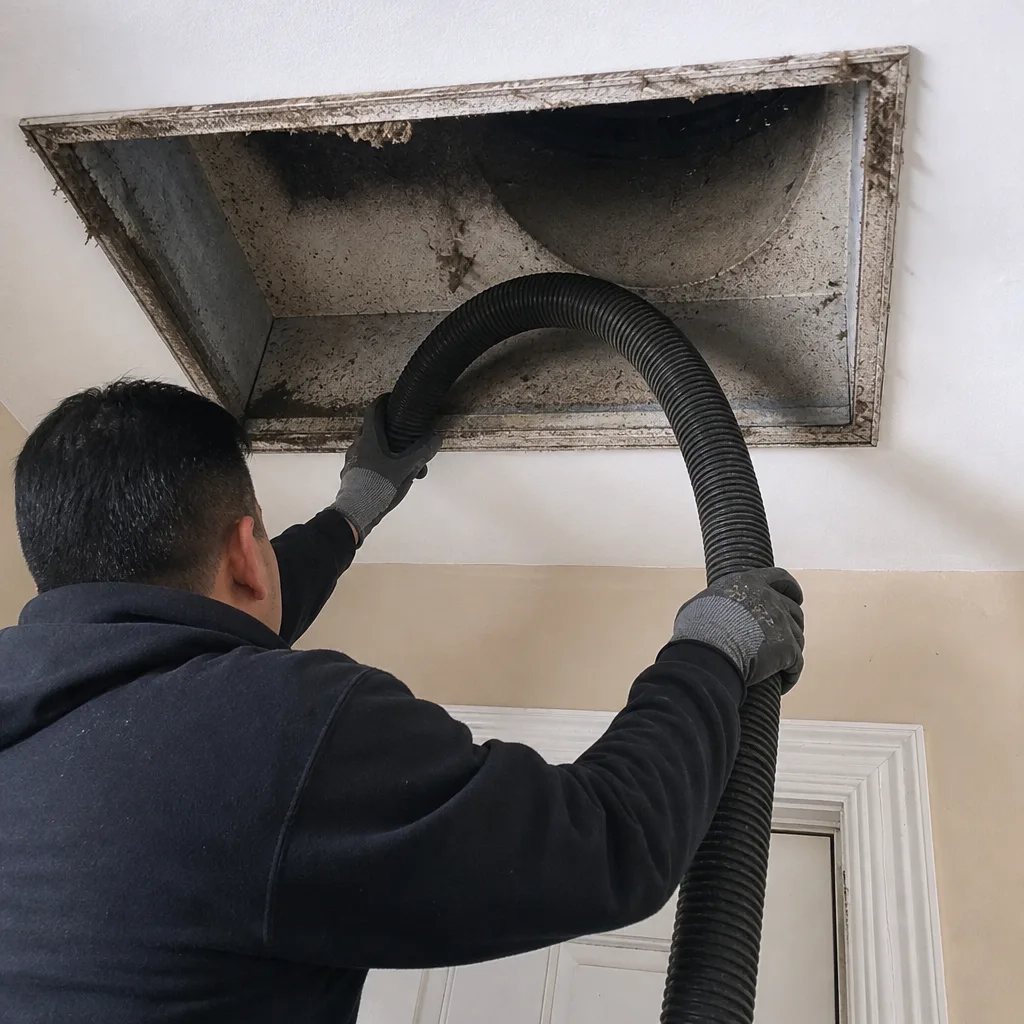 Before
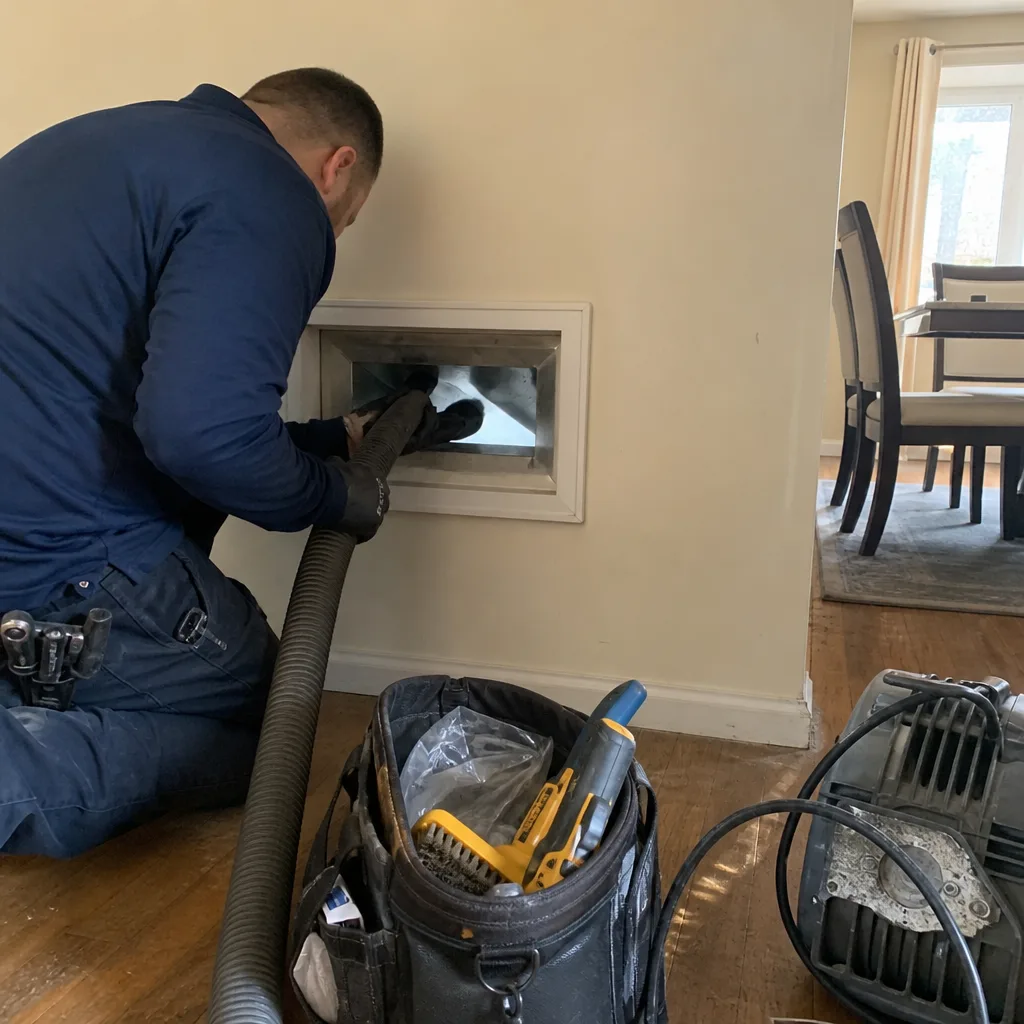 After
AfterReplacement Cost & What’s Included
For a Rotobrush-compatible register or grille replacement in Brooklyn, plan on $85 to $190 per unit installed. The range breaks down like this: a standard steel floor register runs $25 to $45 for the part, a quality return grille $35 to $60, and labor lands around $60 to $90 for the swap, depending on whether we’re just setting a new part in an existing opening or refitting the boot collar and sealing it properly. Heavier cast-aluminum floor registers, which Brooklyn homeowners often choose because they survive kids and dogs, push the part cost to $70 or more.
Every quote is one written price before we start. That price includes the part, the labor, sealing the boot, cleaning up, and the 365-Day Done Right Promise behind it. If the register comes loose or rattles within a year, we come back and make it right. No re-quote. No “well, that’s a different issue.” We stake the job on it.
DIY or Call Us?
Registers and grilles are one of the few parts where we’ll tell you honestly that a careful homeowner can handle the swap. If the opening is clean, the boot collar is intact, and you have the exact measurements, pulling the old register and dropping in a new one takes ten minutes and a screwdriver. No springs under tension. No electrical. No real safety risk.
What goes wrong is when the boot collar itself is damaged, the opening needs to be re-cut, or the register is seized in place and the subfloor around it is rotting. That’s when we see homeowners pull up flooring, crack shoe molding, or strip screw holes so badly the new register has nothing to bite into. We also see the wrong size bought online, which means another trip and another week of a missing register. If you want it done once and done right, call (607) 536-9605. We’ll bring the part, match it to the opening, and leave the room cleaner than we found it.
FAQs
A floor register in a Brooklyn home lasts 10 to 15 years on average before the louvers, damper, or frame give out, and we see that number drop to 7 or 8 years in homes with larger dogs who sprint through the hall. Wall return grilles last significantly longer, often 20 years or more, because nothing steps on them. If yours are older than that and failing, you’re not doing anything wrong; it’s just the lifecycle of the part. Call (607) 536-9605 and we’ll replace it in one visit.
Sometimes, but not often enough to recommend it. A loose frame can be re-secured, and a rattling register sometimes just needs new screws in fresh holes, which we can do in about fifteen minutes. Bent louvers or a stripped damper are done; metal that’s been torqued once won’t bend back true, and you’ll fight the airflow forever. We’ll tell you which situation you have before any money is spent.
Most single register or grille replacements take 30 to 60 minutes from start to cleanup. That includes pulling the old part, inspecting the boot collar, setting the new register, sealing it, and vacuuming up the dust that falls out when the old one comes loose. Multiple registers add about 20 minutes per unit.
Yes. Our trucks carry common 4×10, 4×12, 6×12, 8×8, and 10×10 registers and grilles, plus damper hardware and boot collars. If yours is an unusual size or a cast-metal decorative piece, we’ll source it and schedule the install for when it arrives, with the price confirmed in writing before you agree to anything.
Written by Paul Adeyemi, Owner, Mortons Air Duct Brooklyn at Mortons Air Duct Brooklyn, serving Brooklyn and nearby areas.