
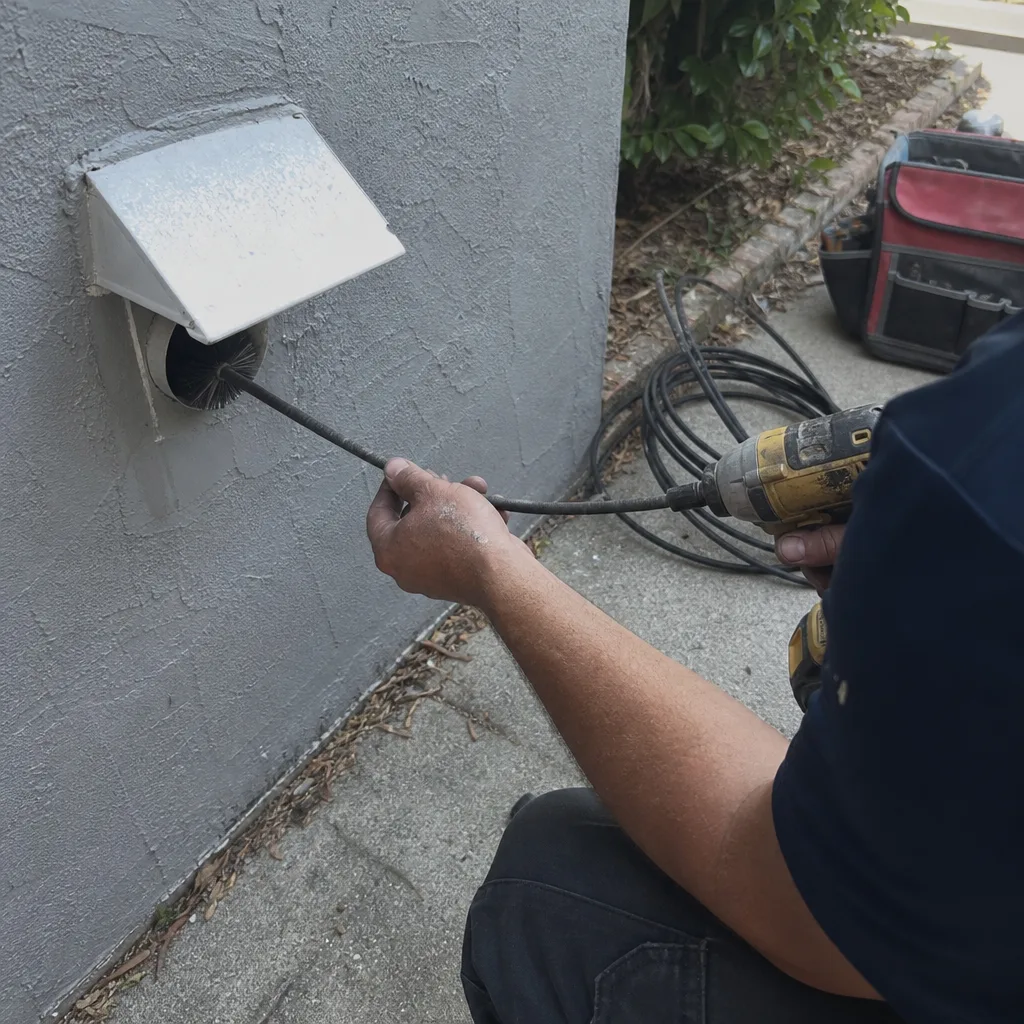
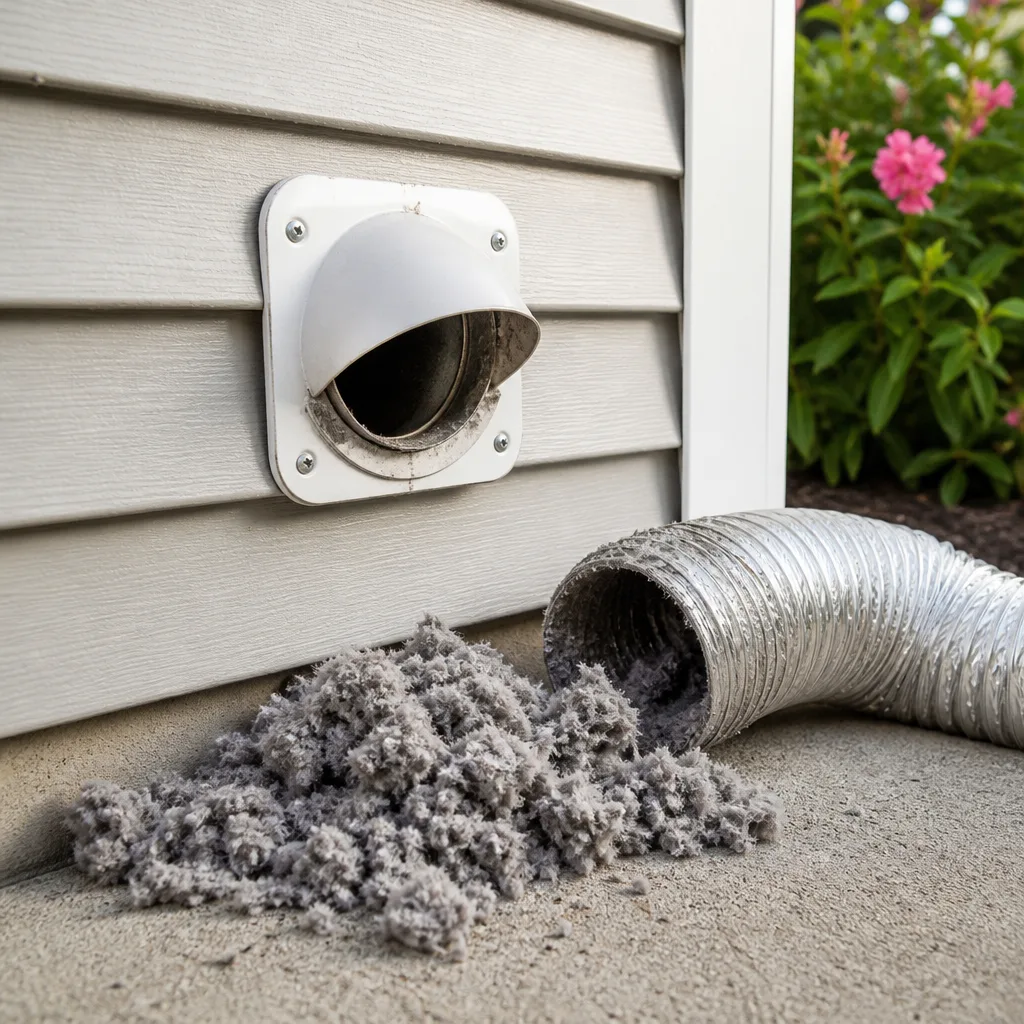
 Dryer vent cleaning
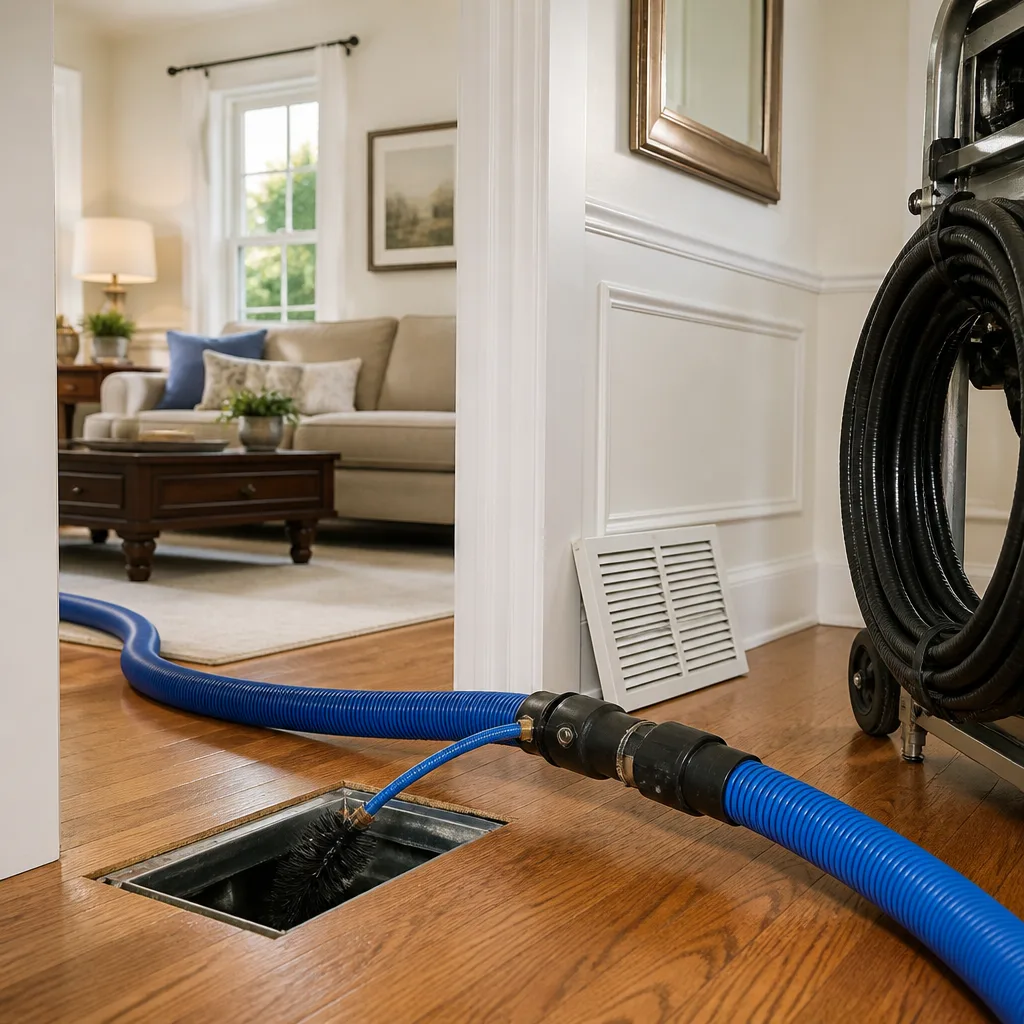 Whole-home duct cleaning
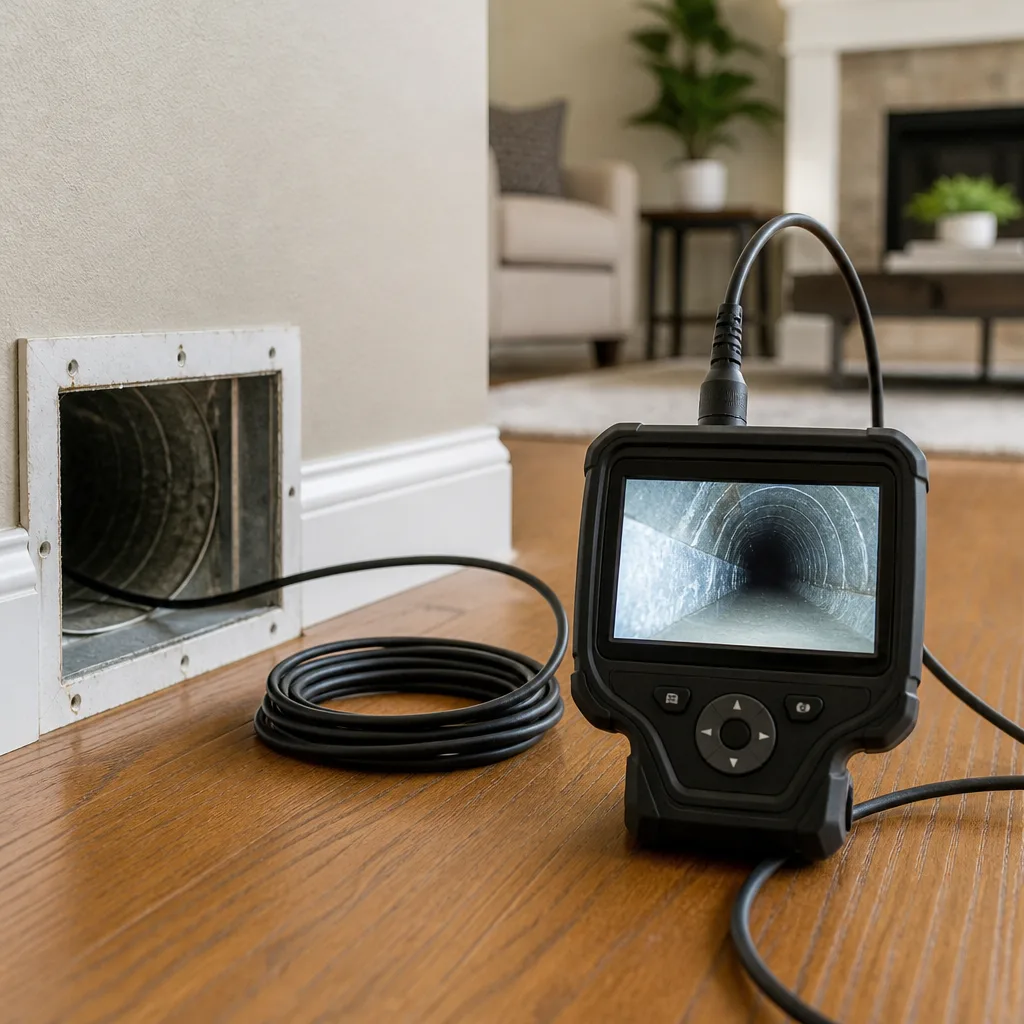 Camera inspection
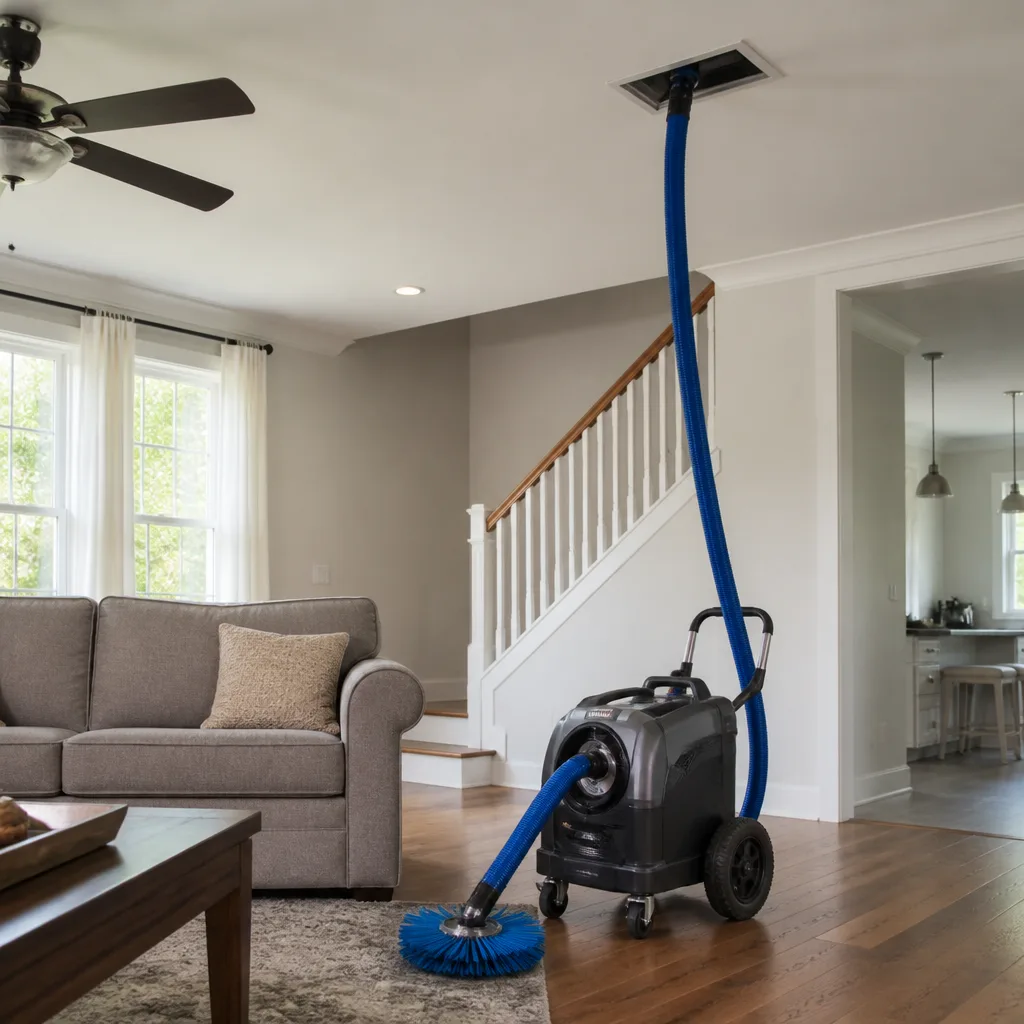 Sanitizing & deodorizing
Whole-system duct and dryer vent check with before-and-after photos - you see exactly what came out of your vents
That "$99 whole-house special" is a bait ad - the real number appears once they are in your hallway, or the "clean" is a shop-vac at the register. We photograph the inside of your ducts before and after instead.
Styles & brands we work with
See the difference
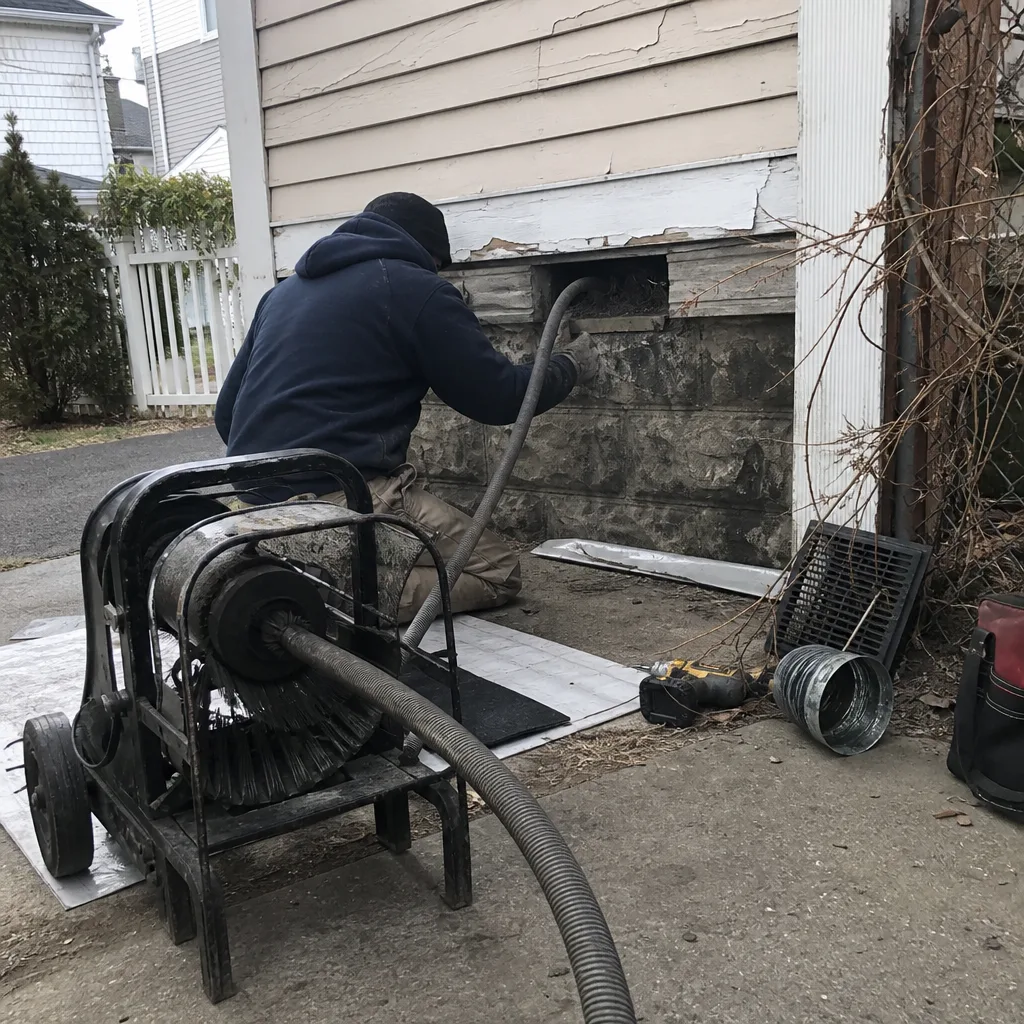 Before
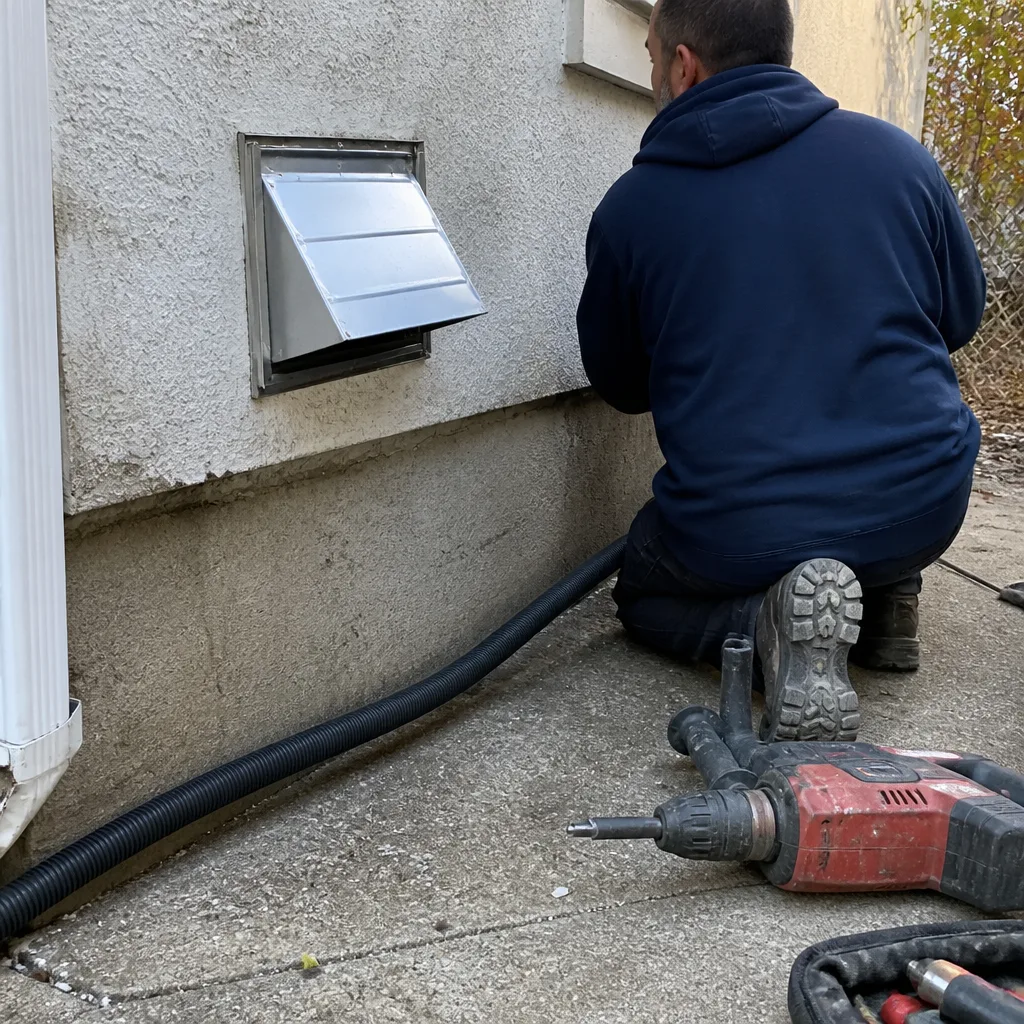 After
After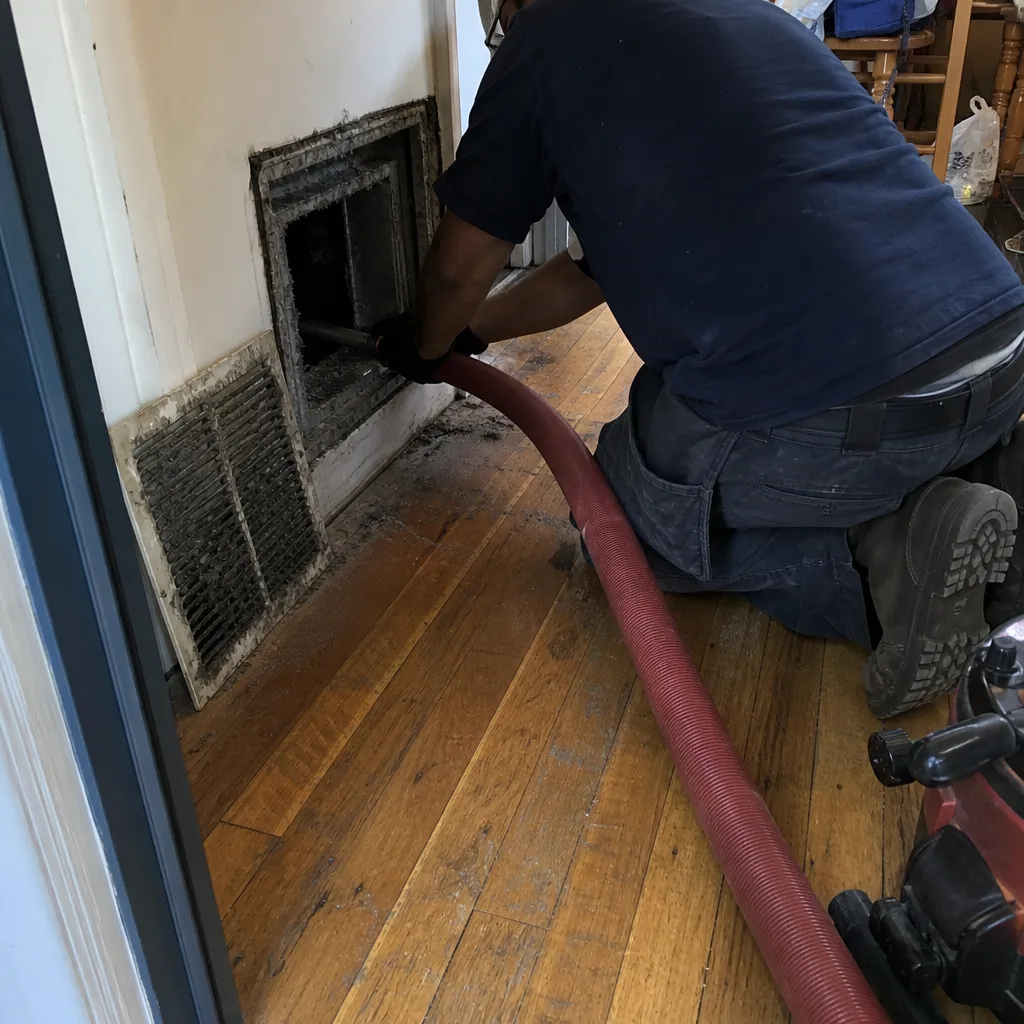 Before
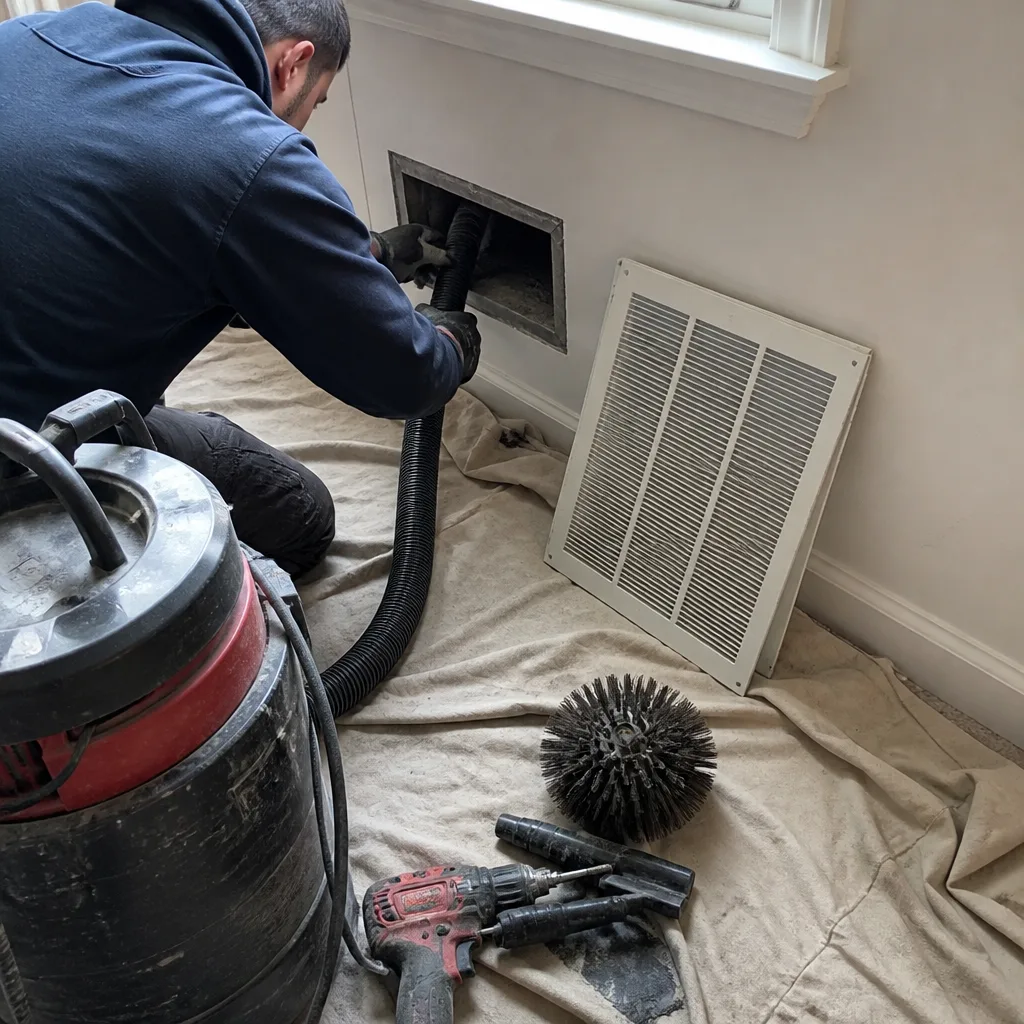 After
After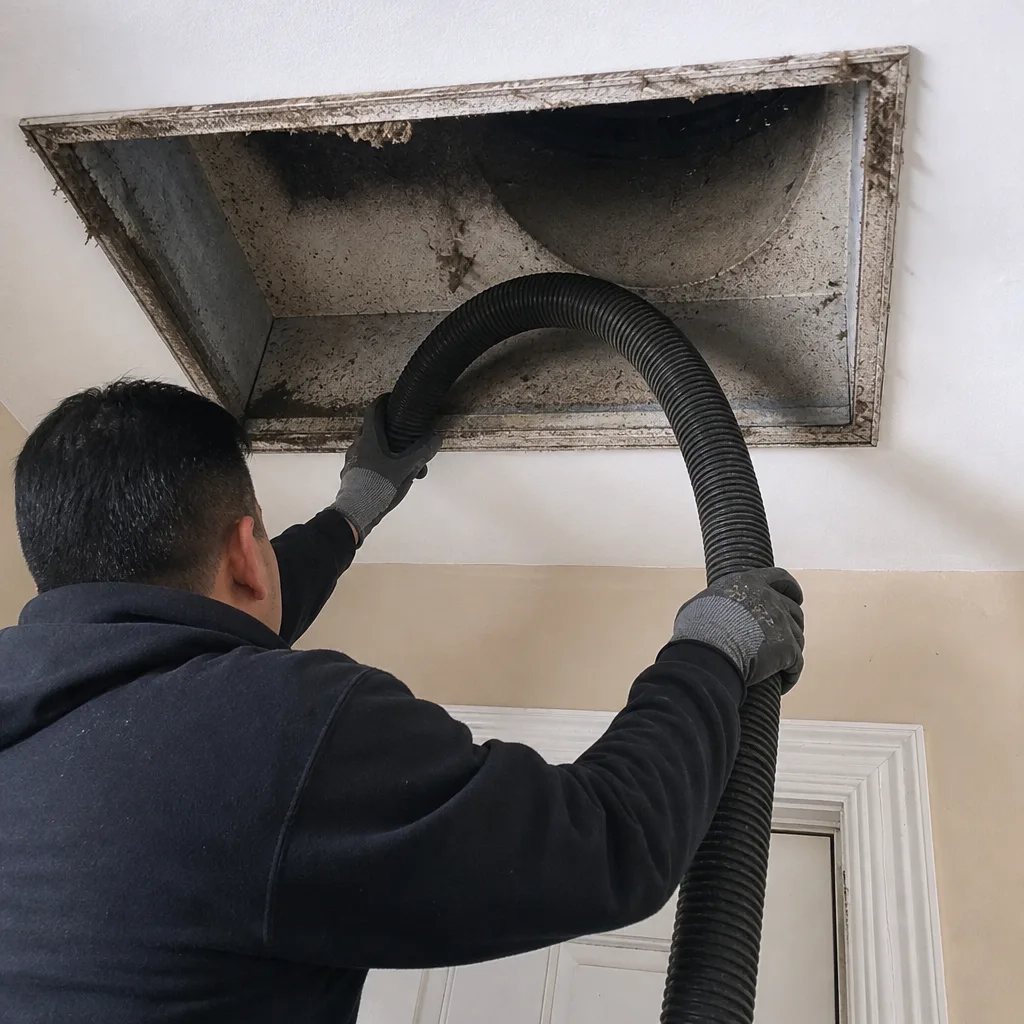 Before
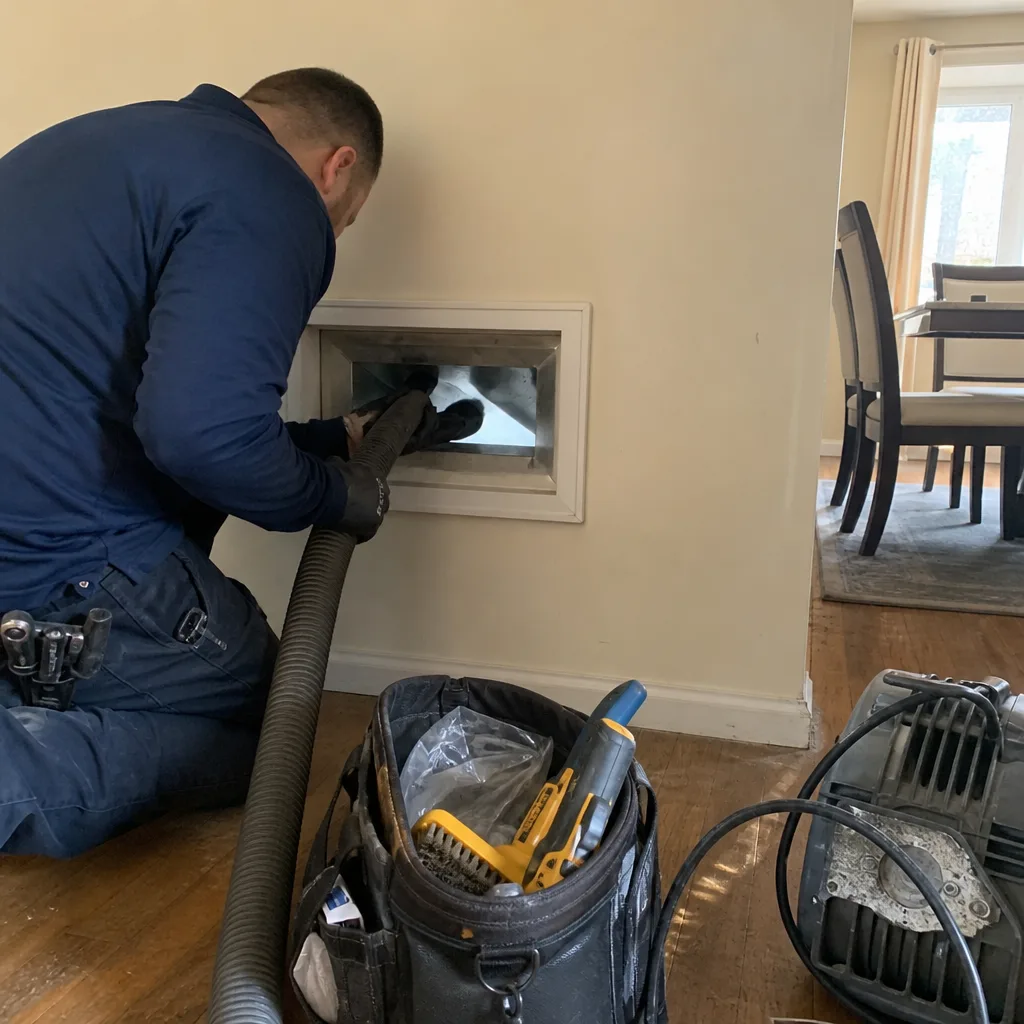 After
AfterDryer Vent Inspection in Brooklyn, NY
A dryer vent inspection in Brooklyn typically costs between $89 and $189 as a standalone service, and most inspections take 45 to 75 minutes depending on the building and vent run. At Mortons Air Duct Brooklyn, we inspect the full vent path from the dryer connection to the exterior termination point, using cameras and airflow meters to find the problems you can’t see from the laundry room. If you’ve never had your dryer vent looked at, or you’ve noticed longer dry times, call us at (607) 536-9605 and we’ll schedule a time that works around your family’s routine.
Our inspection is also the first step in a full Dryer Vent Cleaning in Brooklyn when you’re not sure whether a cleaning is even needed. We’ll never sell you a cleaning you don’t need. If the vent is clear and airflow is strong, we’ll tell you that and give you a written record of the inspection so you have a baseline for next year.
Paul Adeyemi founded Morton’s Air Duct Cleaning in 2005, and from the start the inspection has been treated as its own careful job, not a quick look before a sales pitch. Every inspection includes a written price before we start, shoe covers and drop cloths from the moment we walk in, and a photo of the finished work area before we leave. Whether you need an inspection or full Vent Cleaning, the same standards apply. That’s the Cedarwell Care Promise, and it applies to inspections just as much as full cleanings.
When You Need a Dryer Vent Inspection
Most Brooklyn homes don’t get a dryer vent inspection until something goes wrong. A better approach is to catch issues before they become a $400 repair or a ruined load of laundry on a Sunday night. Here are the situations where an inspection makes sense right now:
- Clothes take two or three cycles to dry. In Park Slope brownstones and Bay Ridge rowhouses alike, a vent clogged with lint can double or triple dry time. If your dryer used to finish a load in 40 minutes and now needs 80, the vent is usually the culprit.
- You just moved into a new apartment or house. Previous owners rarely clean dryer vents before they leave. A pre-move-in inspection tells you exactly what you inherited, and our written report gives you a record for your landlord or co-op board if needed.
- The dryer feels hot to the touch on the outside. Heat should vent outside, not radiate back into your laundry area. This is a sign of restricted airflow, and it needs a professional look rather than a guess.
- You smell a musty or burning odor when the dryer runs. Lint trapped near the heating element can smolder. We treat this as an urgent inspection, and our team can often be there the same day.
- It’s been more than a year since the last cleaning. The National Fire Protection Association recommends an annual dryer vent inspection for most households. Families with pets, multiple kids, or heavy laundry use may need to look twice a year because pet hair and frequent loads build lint faster.
- Your vent exits somewhere hard to see or reach. Many Brooklyn buildings vent through the roof or a side wall above a narrow alley. You can’t check those from the ground. Our inspection equipment reaches what a ladder and a flashlight can’t.
Our Dryer Vent Inspection Process
Here’s exactly what happens when you book an inspection with Mortons Air Duct Brooklyn. We explain each step before we do it, and you’ll know the price before any tools come out of the van.
- We protect your floors and work area. Every technician puts on shoe covers at the door and lays drop cloths from the entry to the laundry area. If your dog is napping in the hallway or your toddler is down for a nap, we’ll work around that, and we keep our equipment quiet.
- We ask about what you’ve noticed. Dry times, smells, odd sounds, how often you run loads, how many people and pets live in the house. These details help us know where to focus the inspection.
- We inspect the connection point. We pull the dryer out gently and check the transition hose behind it. We look for kinks, gaps, foil hose that should be rigid metal, and lint buildup at the connection.
- We run a camera down the full vent run. Our inspection camera shows us every foot of the duct, from behind the dryer all the way to the exterior vent cap. We can see clogs, crushed sections, disconnected joints, and nests, which are common in Brooklyn buildings where vent caps don’t close tightly.
- We measure airflow at the exterior termination. Using an airflow meter, we get a number that tells us how freely air is moving through the vent. We compare that to what the dryer’s blower should be producing. A low number means restriction somewhere, and the camera usually tells us exactly where.
- We give you a written inspection summary. You’ll see what we found, what the airflow reading was, and our recommendation. If everything is clear, that’s what we tell you. If cleaning or repair is recommended, you’ll get a written price before any additional work starts. Before we leave, we take a photo of the clean-up so you have visual proof the area is exactly as we found it.
Our inspection equipment comes from brands we trust, including Rotobrush and Nikro for camera and airflow tools, and Abatement Technologies for filtration when we inspect in tight Brooklyn laundry closets. We don’t use entry-level rental gear. The quality of the inspection depends on being able to see and measure what’s actually inside the vent, not guess from the outside.
Why Brooklyn Homes Need Dryer Vent Inspections More Than Most
Brooklyn’s housing stock creates dryer vent conditions that a generic inspection checklist doesn’t account for. Brownstones and prewar apartment buildings often have dryer vents that were added decades after the building was constructed. That means long vent runs, multiple turns, and transitions from rigid duct to flexible hose in awkward places. Each bend is a place lint can collect. Each long run is a place airflow slows down. Each joint is a place the duct can separate, letting moist air and lint blow into a wall cavity or ceiling space.
In neighborhoods like Williamsburg, Greenpoint, and Downtown Brooklyn, many buildings have vent runs of 20 feet or more with three or four elbows. The longer the run, the harder the dryer blower has to work, and the more lint deposits along the way. An inspection in these buildings takes longer than an inspection in a single-family home with a direct vent through an exterior wall, and that’s part of why our pricing reflects the specifics of your building rather than a flat one-size-fits-all quote. If you’re wondering How Much Does Dryer Vent Cleaning Cost? (2026 Price Guide) - Brooklyn, NY, we provide clear written pricing before any work begins.
Humidity matters too. Brooklyn’s summer air is heavy, and basements and laundry rooms in older buildings often run damp year-round. Lint that would dry and stay loose in an arid climate can clump and cake onto vent walls here. That caked lint narrows the duct diameter, reduces airflow, and is more difficult to remove than fluffy, loose lint. During an inspection, we note the condition of the buildup, not just the amount, because it changes the cleaning approach we’ll recommend.
Roof-exiting vents are common in multi-story Brooklyn buildings. A roof vent cap that doesn’t seal properly lets rain and snow enter the vertical duct. Water plus lint creates a paste that hardens on the duct walls. It also invites birds and rodents to nest near the warm exhaust point. Our camera inspection catches these issues before they become a full blockage or a water leak down into your ceiling.
If you’re in a co-op or condo, your building management may require an inspection before any cleaning work happens. Mortons Air Duct Brooklyn is familiar with those requirements, and our written inspection report gives you and your board a clear document of what’s going on in the vent. We’ve worked in buildings from Cobble Hill to Sheepshead Bay, and we know the difference between a vent that’s your responsibility and one that belongs to the building.
Dryer Vent Inspection Pricing in Brooklyn
We believe you should know what an inspection costs before you book it. Our pricing is always a written price before any work starts, and it doesn’t change once the technician arrives. Here’s what to expect:
| Service | Typical Price Range | What It Includes |
|---|---|---|
| Standalone dryer vent inspection | $89 – $149 | Full camera inspection, airflow testing, written report, photo of clean-up |
| Inspection with light cleaning (if lint is found) | $149 – $229 | Everything above plus removal of accessible lint from accessible sections |
| Inspection plus full dryer vent cleaning | $189 – $329 | Full inspection plus complete cleaning of the vent run, pricing depends on vent length and access |
| Inspection for multi-story or roof-exiting vents | $129 – $189 | Includes additional time and equipment for vertical runs and roof access |
What affects the price in Brooklyn:
- Vent run length. A 6-foot vent through an exterior wall in a ground-floor unit costs less to inspect than a 35-foot run through a brownstone’s walls and roof.
- Access difficulty. If the dryer is in a tight closet or a basement with low clearance, the inspection takes longer, and that modestly adjusts the price.
- Vent termination point. Roof exits and high side-wall exits may require ladder work and additional safety equipment.
- What we find. If we find a blockage that can be cleared during the same visit, we’ll give you the written price before we do it. You always approve before any additional work starts.
Every inspection and cleaning is backed by the 365-Day Done Right Promise. If the job isn’t right, we make it right. That’s stamped on every job, not just offered when someone asks. We don’t expect you to take that on faith. It’s part of the Cedarwell Care Promise, the standard every independent Cedarwell company works to on every single visit.
Call (607) 536-9605 for a free estimate. We’ll ask a few questions about your building, your dryer, and what you’ve been noticing, and we’ll give you a clear price before you book. No pressure, no surprise fees on the invoice.
What Our Inspection Can Catch Before It Becomes a Bigger Problem
An inspection isn’t just about lint. Here are the specific issues we look for and why they matter in Brooklyn’s building types.
- Crushed or kinked transition hoses. The flexible hose behind your dryer is the most vulnerable part of the system. If the dryer was pushed back too far, the hose can flatten against the wall, cutting airflow by more than half. We see this in tight laundry closets all across Park Slope and Fort Greene.
- Disconnected duct joints. In long vent runs with multiple sections, joints can separate over time. When they do, hot, moist air blows into the wall or ceiling cavity instead of outside. This is a hidden problem that no amount of cleaning will fix until the joint is reconnected.
- Improper duct material. Some older Brooklyn homes still have foil or plastic vent hose, which traps lint easily and can melt in a fire. Current building guidance calls for rigid metal duct with minimal bends. We’ll note any material concerns in our written report.
- Bird or rodent nests. Exterior vent caps without proper flappers invite nesting. We’ve removed nests from vents in Bay Ridge, Bensonhurst, and Gravesend. A nest isn’t always visible from the outside, but the camera finds it fast.
- Water intrusion. A roof vent cap that’s damaged or missing lets rain into a vertical duct. Over time, the water degrades the duct and creates conditions for mold. We’ll flag any signs of moisture during the inspection.
- Lint packed into bends and elbows. Even a short vent run can clog at the elbows if the airflow is poor. Elbows are where lint drops out of the airstream and accumulates. Our camera shows us the condition of every turn, not just the straight sections.
Our technicians are background-checked and arrive in uniform, with the equipment they need for the job already in the van. We carry tools from Rotobrush and Nikro, plus filtration units from Abatement Technologies when the job calls for it. We don’t run back to a shop for gear, and we don’t improvise with tools that weren’t made for this work. The morning of your appointment, you’ll know who’s coming and when. If something changes, a live person answers the phone around the clock, not a voicemail or a chatbot.
Inspection vs. Cleaning: What Brooklyn Homeowners Should Know
A dryer vent inspection and Dryer Vent Cleaning services are different jobs, and it’s helpful to understand the line between them before you book.
An inspection tells you what’s happening inside the vent. It’s a diagnostic service. We use cameras and airflow meters to locate blockages, measure performance, and identify structural issues. The inspection answers the question, “What’s going on in there, and do I need to do anything about it?”
A cleaning removes the lint and debris. It’s a corrective service. We run rotating brushes and high-powered vacuums through the full vent path, clearing the buildup so air flows freely again. The cleaning answers the question, “Will this vent move air properly now?”
Many Brooklyn families start with an inspection because they aren’t sure whether the vent is actually dirty. Maybe dry times have gotten longer, but they’re not sure if it’s the dryer itself. Maybe they moved in a year ago and don’t know what condition the vent is in. Maybe the building’s annual inspection is coming up and they need documentation.
In those cases, an inspection makes sense as its own service. If the inspection finds significant lint, we’ll give you a written price to clean the vent while we’re there, and you decide whether to proceed. There’s no pressure, and the price doesn’t change because we’re already on site. If the vent is clean, you pay for the inspection and you get a written report. That’s the end of it until next year.
Our Dryer Vent Cleaning in Brooklyn service always includes an inspection as part of the job. But the standalone inspection exists for a reason: sometimes you need answers before you commit to a cleaning, and we think that’s a reasonable thing to ask for.
Families, Pets, and the Care Promise
We know a service crew in the house changes the whole afternoon. If your kids are home from school or your dog is watching the door, that’s part of the environment, and we work around it rather than asking you to clear everyone out.
Our technicians wear shoe covers from the moment they step inside. Drop cloths go down before any equipment comes through the door. We use quiet tools when the job allows, which matters if there’s a nap schedule in the house. Our equipment is professional-grade from brands like Nikro and Rotobrush, and it’s made for this work, so sessions are faster and less disruptive than someone wrestling with entry-level gear for twice as long.
Pet owners know what we mean when we say pet-safe product choices matter. We don’t use harsh chemical products around your home. The inspection itself is visual and measurement-based, so there’s no product application involved. When cleaning is part of the same visit, our approach uses mechanical agitation and HEPA-filtered vacuuming, which keeps dust from recirculating through your living space. That’s part of the Cedarwell Care Promise, and it’s not an add-on. It’s how we default to working.
Before we leave, we take a photo of the clean-up. You’ll see the laundry area, floors, and any path we used, exactly as we’re packing up. If anything isn’t right, we fix it before the van pulls away. That photo is also part of your job record, so you have proof of the condition we left your home in.
How Brooklyn Weather Affects Your Dryer Vent
Brooklyn’s seasons put real stress on exterior vent components. Salt air near the waterfront, whether in Red Hook, DUMBO, or Sheepshead Bay, corrodes metal vent caps faster than inland locations. A corroded flapper doesn’t seal, and that’s how damp air, pests, and debris get inside. During an inspection, we check the exterior termination’s condition and note any signs of rust or hinge failure.
Winter cold creates a different problem. Warm, humid air leaving the dryer meets freezing outside air at the vent cap. Moisture condenses and freezes on the flapper, eventually jamming it open or shut. If it jams shut, your dryer pushes against a blocked exit and your vent pressure rises. If it jams open, cold air pours in and your dryer works harder to heat. A seasonal inspection before winter sets in catches weak flappers before the first freeze.
Fall leaf litter is another Brooklyn reality. Vents that exit near trees, especially in neighborhoods like Ditmas Park and parts of Midwood, collect leaves at the exterior opening. A single storm can drop enough leaves around a low-mounted vent cap to cut airflow significantly. Our inspection includes an exterior look at the termination point, and we’ll remove any debris that’s blocking the opening as part of the service.
None of this requires fear to motivate you. It’s just the practical reality of owning or renting in an old city with four distinct seasons. The inspection gives you an annual checkpoint so that small environmental issues don’t stack up into one big, expensive problem later.
What to Do Between Inspections
An annual inspection is the foundation, but there are a few things you can do between visits that make a real difference.
- Clean the lint trap after every load. It takes ten seconds and it’s the single best thing you can do for your dryer. A full lint trap means the dryer works harder and more lint escapes into the vent than it should.
- Look at the exterior vent cap once a month. If you can safely see it from the ground or a window, check that the flapper opens when the dryer runs and closes when it stops. A flapper that’s stuck open is an open door for pests and cold air.
- Notice dry times. If a load that took 40 minutes now takes an hour, that’s a signal. Write it down. The amount of change tells us a lot during an inspection.
- Don’t push the dryer back against the wall hard. The transition hose behind it needs space. If the dryer is jammed against the wall, the hose flattens and airflow drops. When you move the dryer, do it slowly and check that the hose isn’t crushed.
- Keep the area around the dryer free of clutter. Lint that escapes the vent settles nearby. Boxes, bags, and loose items near the dryer collect lint and can block the appliance’s own ventilation. Keep that space clear.
These steps don’t replace the inspection. They supplement it. The camera sees what you can’t, and the airflow meter gives us a number to compare year over year. That comparison is how we spot gradual decline before it turns into a sudden failure.
FAQs – Dryer Vent Inspection
How much does a dryer vent inspection cost in Brooklyn?
A standalone dryer vent inspection in Brooklyn typically costs between $89 and $149, depending on vent length, access, and whether the vent exits through a roof or high side wall. Call (607) 536-9605 for a free estimate on your specific building, and you’ll get a written price before any work starts.
How long does a dryer vent inspection take?
A standard inspection takes 45 to 75 minutes in most Brooklyn homes. Longer vent runs in brownstones and multi-story buildings, roof exits, and tight laundry closets can extend that. We’ll give you an accurate time window when you book.
Do I need a dryer vent inspection if my dryer is working fine?
Yes, an annual inspection is recommended even when the dryer seems to be working, because lint builds up gradually and dry times often get longer so slowly that you don’t notice the change. An inspection gives you a baseline and catches problems while they’re still inexpensive to fix. If your dryer is in a building with a long or roof-exiting vent, the annual inspection matters even more.
Can I inspect my own dryer vent?
You can check the lint trap, look at the exterior vent cap, and monitor dry times, but you can’t see the inside of a long vent run without a camera. Most Brooklyn vents have turns and vertical sections that a flashlight can’t reach. The inspection camera and airflow meter reveal blockages, separated joints, and buildup that otherwise stay hidden until something fails. It’s a specialized job, and our equipment from brands like Rotobrush and Nikro is made for it.
What happens if you find a problem during the inspection?
If we find lint buildup, a blockage, or a structural issue, we’ll show you what we found and give you a written price to fix it during the same visit. You decide whether to proceed. There’s no obligation and no surprise charge. If it’s a safety concern like a disconnected joint or smoldering lint, we’ll tell you directly and explain our recommendation.
Do you work with co-ops and condos in Brooklyn?
We work in co-ops and condos throughout Brooklyn, from Williamsburg to Sheepshead Bay, and we’re familiar with building requirements for dryer vent work. Our written inspection report gives you documentation for your board or management company, and we can schedule around building access rules. A live person answers the phone 24/7 to arrange the details.
Book Your Dryer Vent Inspection in Brooklyn
You’ll know the price before we start. You’ll know what we find and what we recommend. You’ll have a written report and a photo of the clean-up before we leave. That’s how every inspection works at Mortons Air Duct Brooklyn, and it’s backed by the 365-Day Done Right Promise and the Cedarwell Care Promise on every visit.
To schedule an inspection or ask a question about your dryer vent, call (607) 536-9605. A real person answers the phone, day or night. We’ll talk through what you’ve been noticing, give you a clear price, and set a time that works for your household, nap schedules included. If you’re not sure whether you need an inspection or a full cleaning, start with home and explore our services, or just call us. We’ll help you figure it out without pushing anything you don’t need.
Written by Paul Adeyemi, Owner at Mortons Air Duct Brooklyn, serving Brooklyn.