
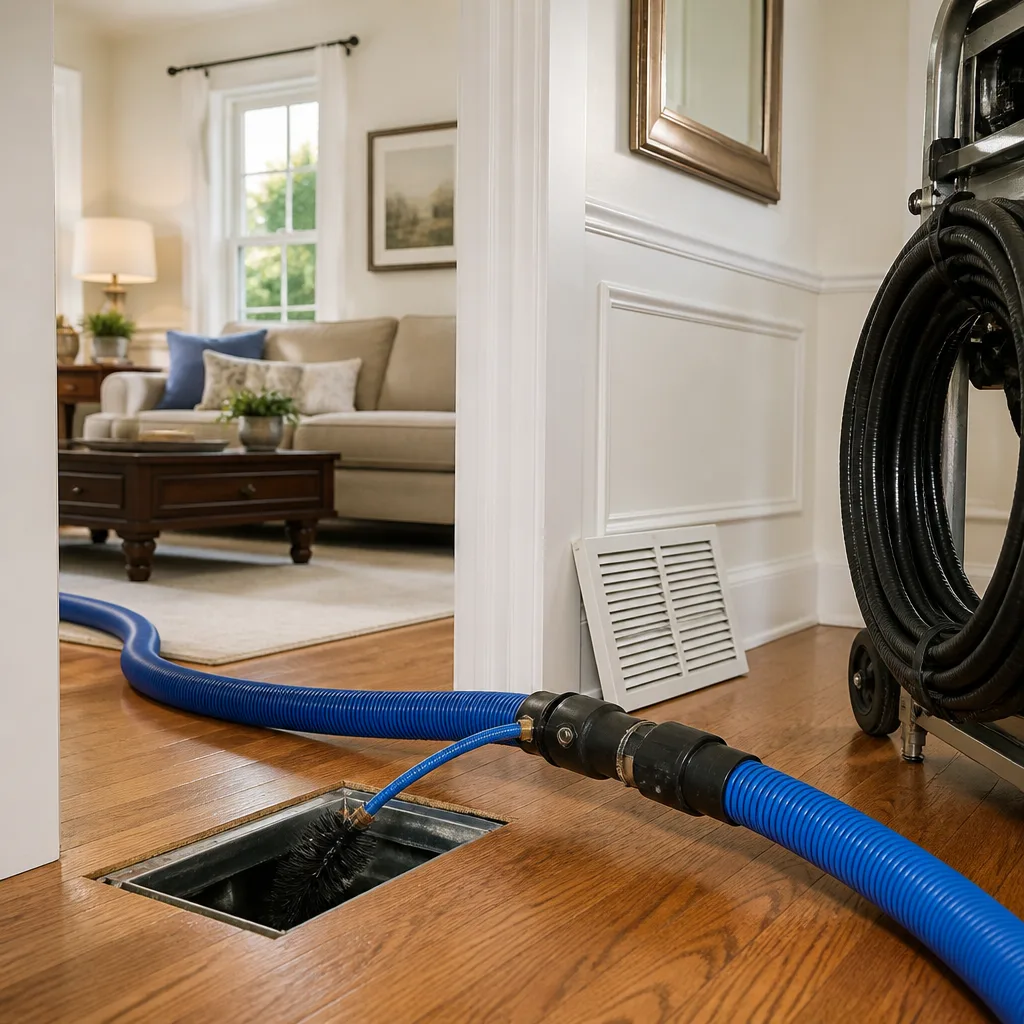
 Whole-home duct cleaning
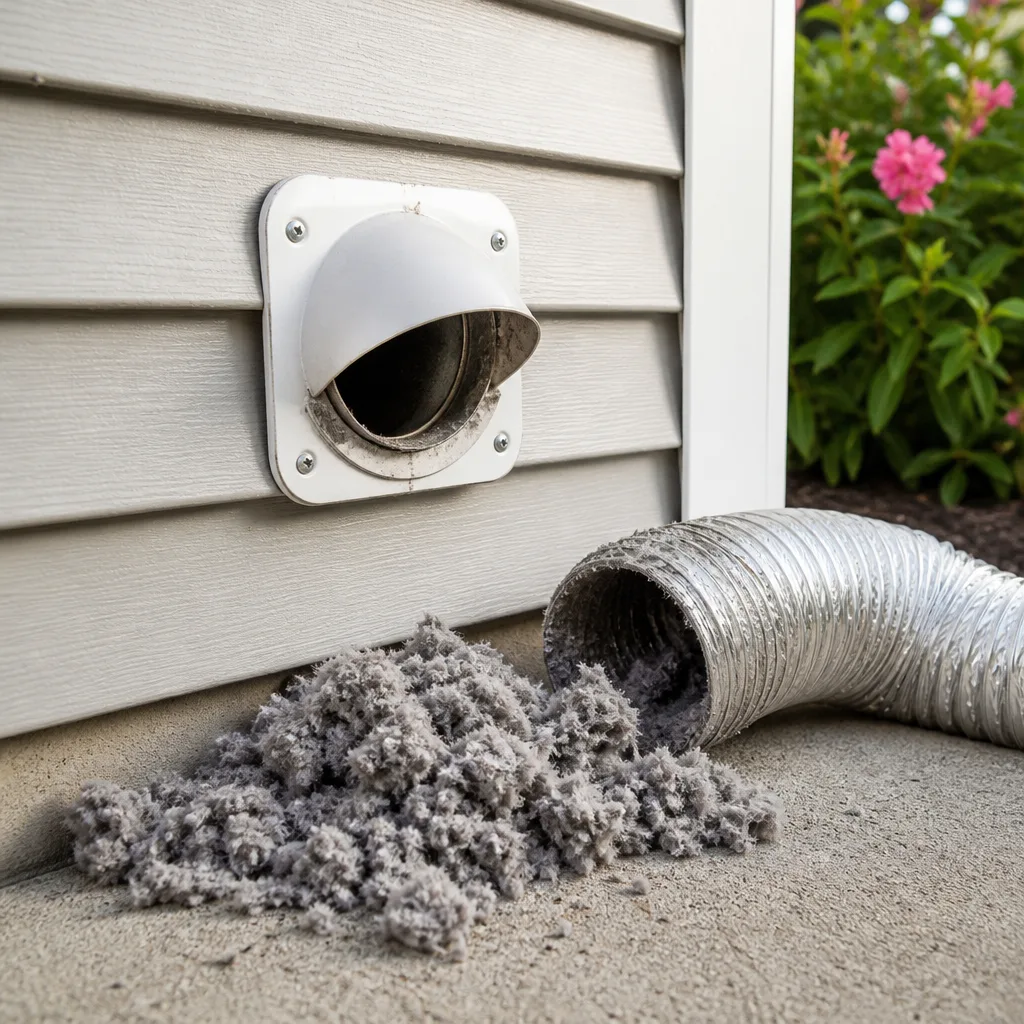 Dryer vent cleaning
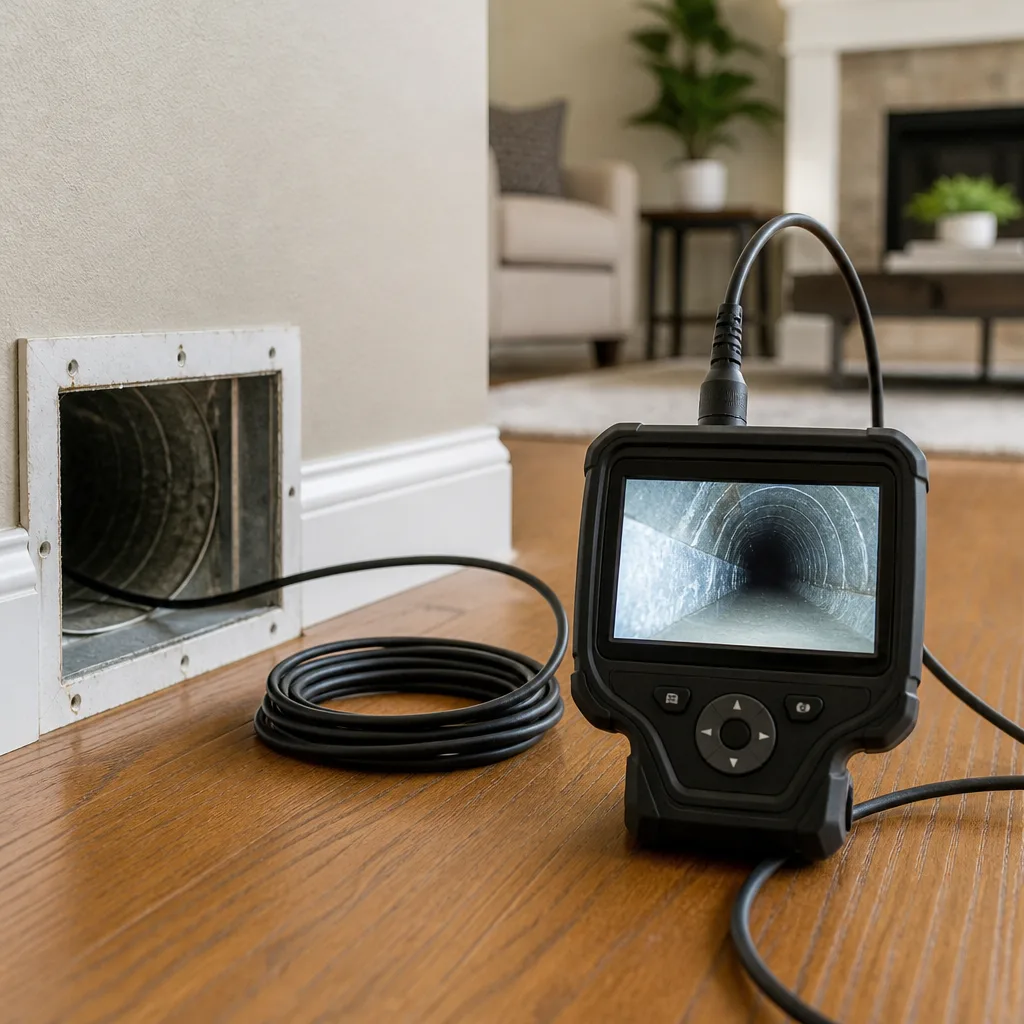 Camera inspection
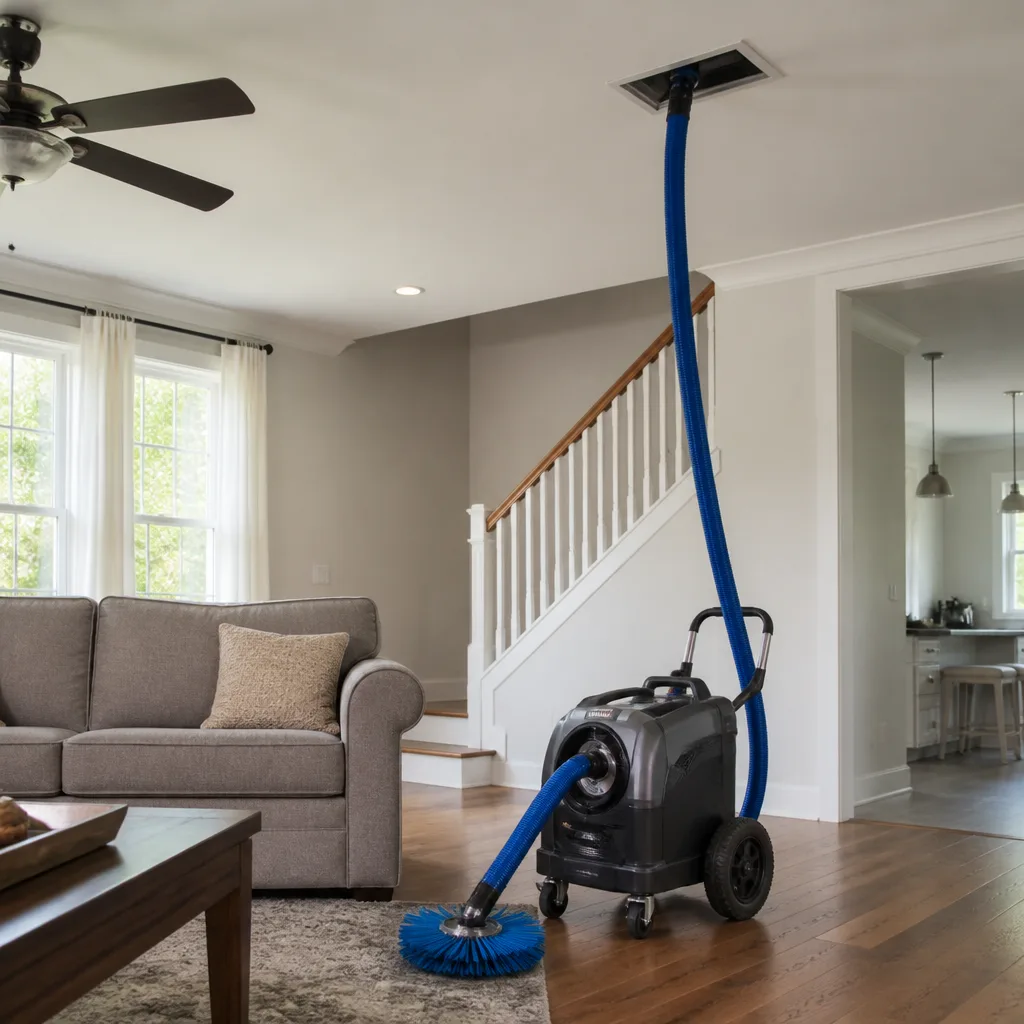 Sanitizing & deodorizing
Whole-system duct and dryer vent check with before-and-after photos - you see exactly what came out of your vents
That "$99 whole-house special" is a bait ad - the real number appears once they are in your hallway, or the "clean" is a shop-vac at the register. We photograph the inside of your ducts before and after instead.
Abatement Technologies Vent Sanitizing: The Brooklyn Owner’s Guide
If you own an Abatement Technologies air purification or sanitizing unit and the vent sanitizing component has stopped working, we stock the compatible parts and can install them for a typical Brooklyn price of $280 to $520, parts and labor included. Most vent sanitizing replacements on Abatement Technologies units take under an hour once we’re at the home, and we carry the most common OEM and quality aftermarket parts on the truck. You’ll usually notice the failure first as a change in the unit’s output: less airflow at the vent, a faint ozone or electrical smell, or an indicator light that won’t move off “service.”
Here’s what surprises most owners: the vent sanitizing component on Abatement Technologies units often fails gradually rather than all at once. You may notice the system runs longer than it used to, or the sanitizing cycle finishes but the air at the vent doesn’t have that characteristic clean finish it had when the unit was new. In Brooklyn apartments and brownstones, where these units often run continuously against older ductwork, that wear tends to show up sooner than the manual suggests. The good news is that this is a known service point on these units, and it’s a repair we handle regularly for homeowners across the borough.
We’re an independent service provider, not affiliated with Abatement Technologies. We stock and install their components because we’ve seen how well the units perform when the vent sanitizing side is working properly. Paul Adeyemi, our owner, has kept a notebook in his truck for years where he writes down the make and failure pattern of every sanitizing unit he opens up. Abatement Technologies units are in there often, usually with a note like “replacement took 40 minutes, customer’s airflow back to full.”
Which Abatement Technologies Models This Applies To
The vent sanitizing component appears across several Abatement Technologies product lines most commonly installed in Brooklyn homes, including the HEPA-AIRE portable units, the Shadow and Caddy series used by contractors, and the Gatekeeper and Vanguard series installed in ductwork. The part itself is typically a UV-C lamp module, a photocatalytic oxidation cell, or a combination sanitizing cartridge, depending on the unit’s age and configuration.
Here’s the compatibility detail that matters: Abatement Technologies has shipped at least three distinct generations of vent sanitizing modules over the years, and they are not interchangeable even when the housing looks nearly identical. The older first-generation units used a screw-in lamp module with a magnetic ballast. Newer units moved to a snap-in cartridge with an integrated driver. The measurement that tells us which one you need is the lamp length and the pin configuration, both of which are printed on a label inside the access panel. If your manual is long gone, we’ll check that label during the visit and confirm the part before anything is ordered or installed.
On the OEM versus aftermarket question, our honest position is that OEM Abatement Technologies vent sanitizing parts are the safer route for newer units under any remaining warranty. For older units where the OEM part is discontinued or backordered, we use a quality aftermarket equivalent that matches the electrical spec and lamp output within the manufacturer’s stated range. We’ll show you both options and the price for each before we proceed. We don’t make that decision for you, but we’ll tell you what we’d put in our own home if it were our unit.
We also stock parts for other systems including Lennox, Trane, and Carrier, in case your Brooklyn home has a mixed setup. But if your unit says Abatement Technologies on the label, that’s the part family we’ll match first.
Styles & brands we work with
Signs Your Abatement Technologies Vent Sanitizing Is Failing
- The sanitizing indicator stays on “service” or won’t reach “ready.” On most Abatement Technologies units, this light is tied to lamp runtime, and when the module loses output, the controller flags it. A technician can reset the counter only after the module is confirmed working again.
- Airflow at the vent is noticeably lower than when the unit was installed. A spent or failing sanitizing cell can add resistance inside the unit, which means the fan works harder and moves less air. If you feel weaker output with no change at the source, that’s a tell.
- A faint electrical or ozone smell near the unit that wasn’t there before. This is often a ballast or driver failing, sometimes before the lamp itself goes dark. It should be checked sooner rather than later.
- The unit runs longer cycles but the air doesn’t have that clean, neutral finish. When the vent sanitizing component is worn out, the unit may still move air but it’s doing less than the nameplate promises. Some Brooklyn owners describe it as the unit “working” but the room feeling the same as before.
- Visible darkening, flickering, or failure of the lamp element. If you can see the UV-C lamp through the access window and it looks gray or darkened at the ends, it’s reached the end of its useful output. UV-C lamps lose intensity long before they stop glowing.
See the difference
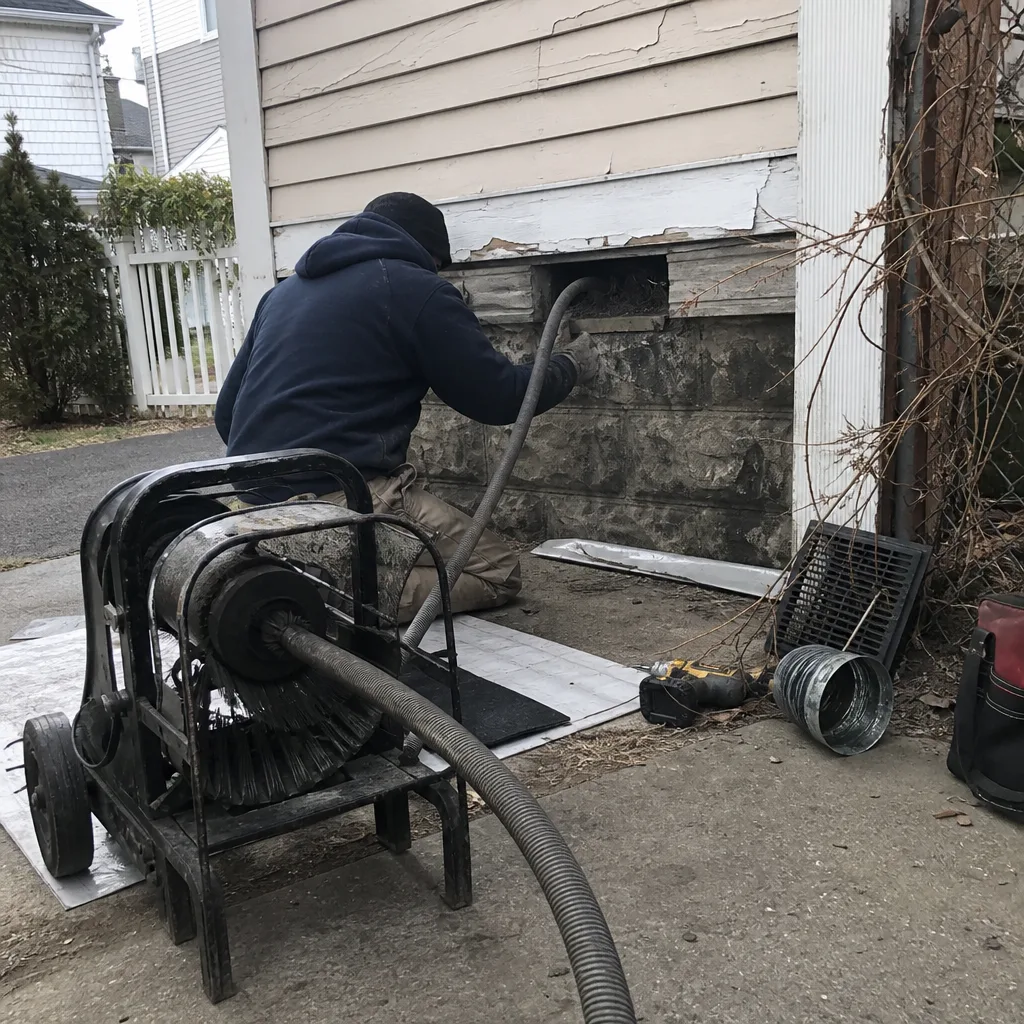 Before
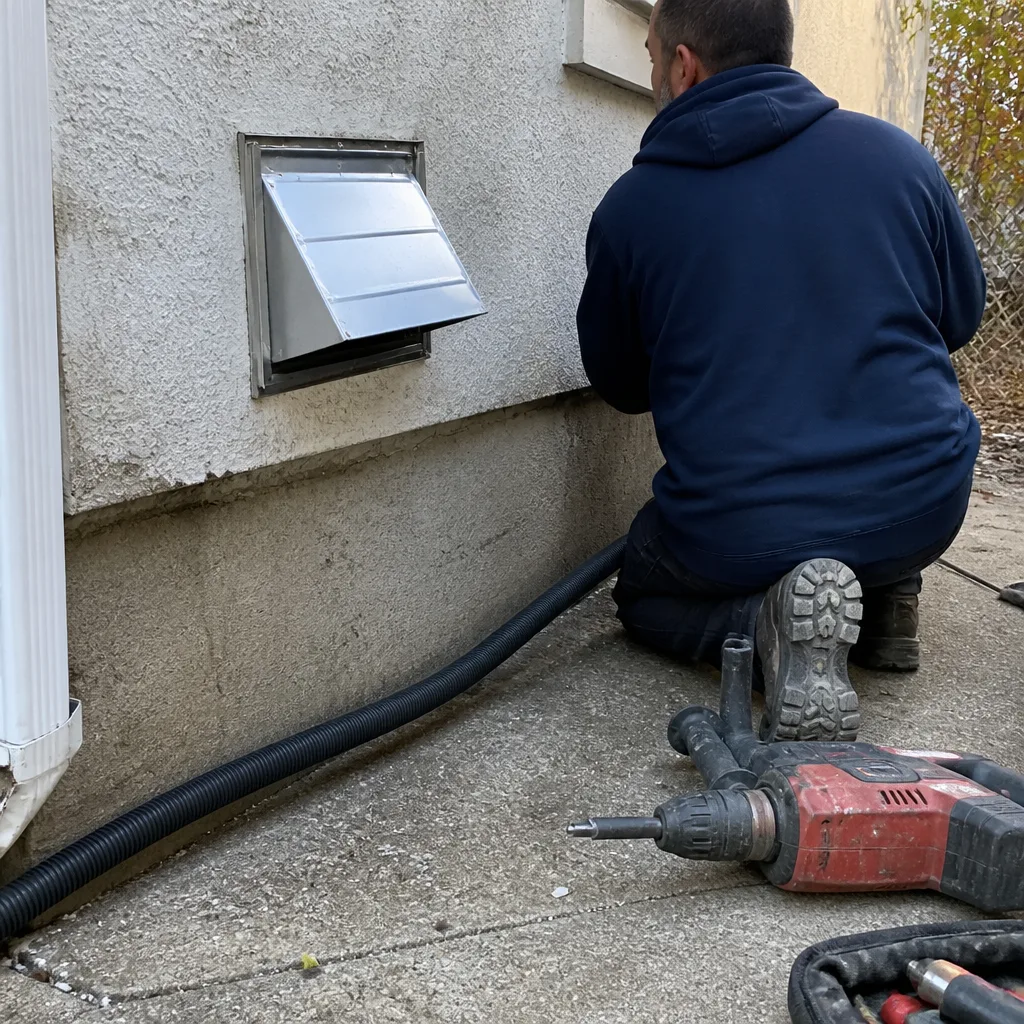 After
After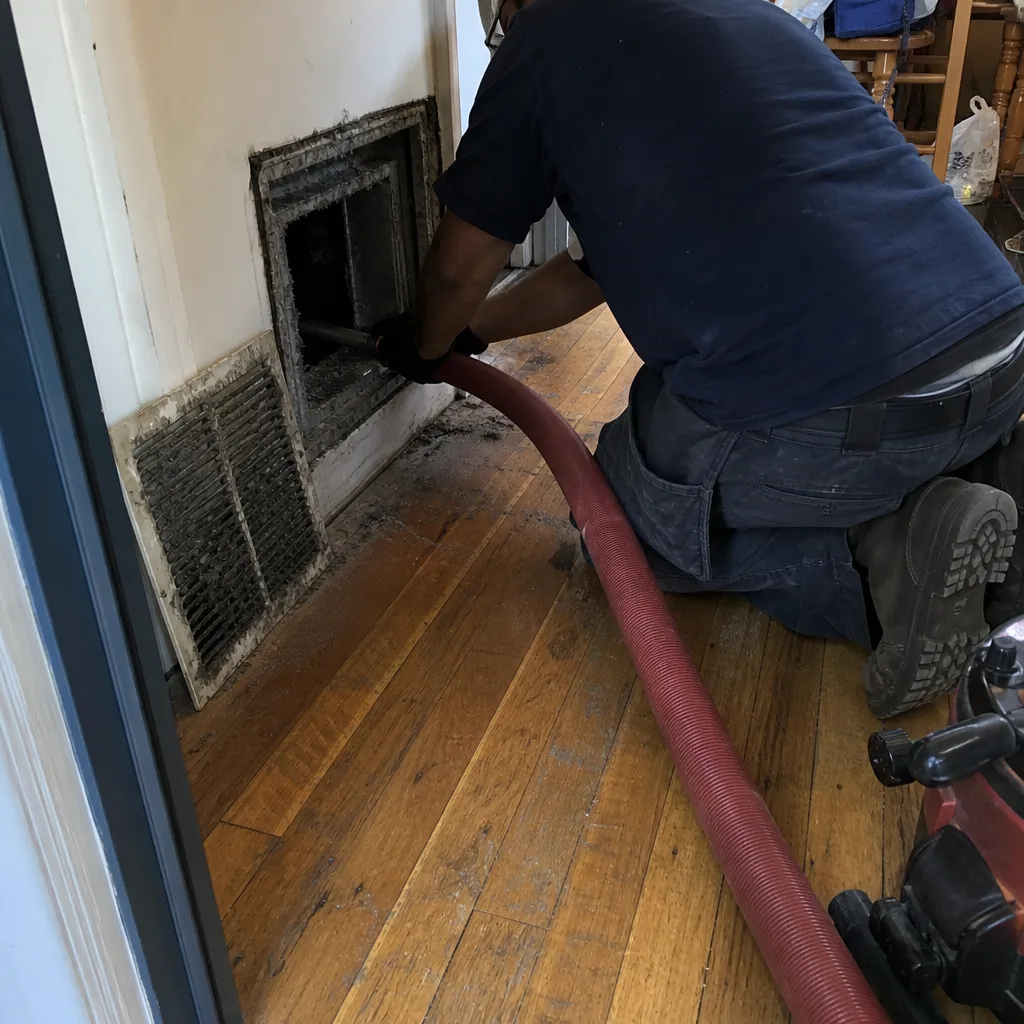 Before
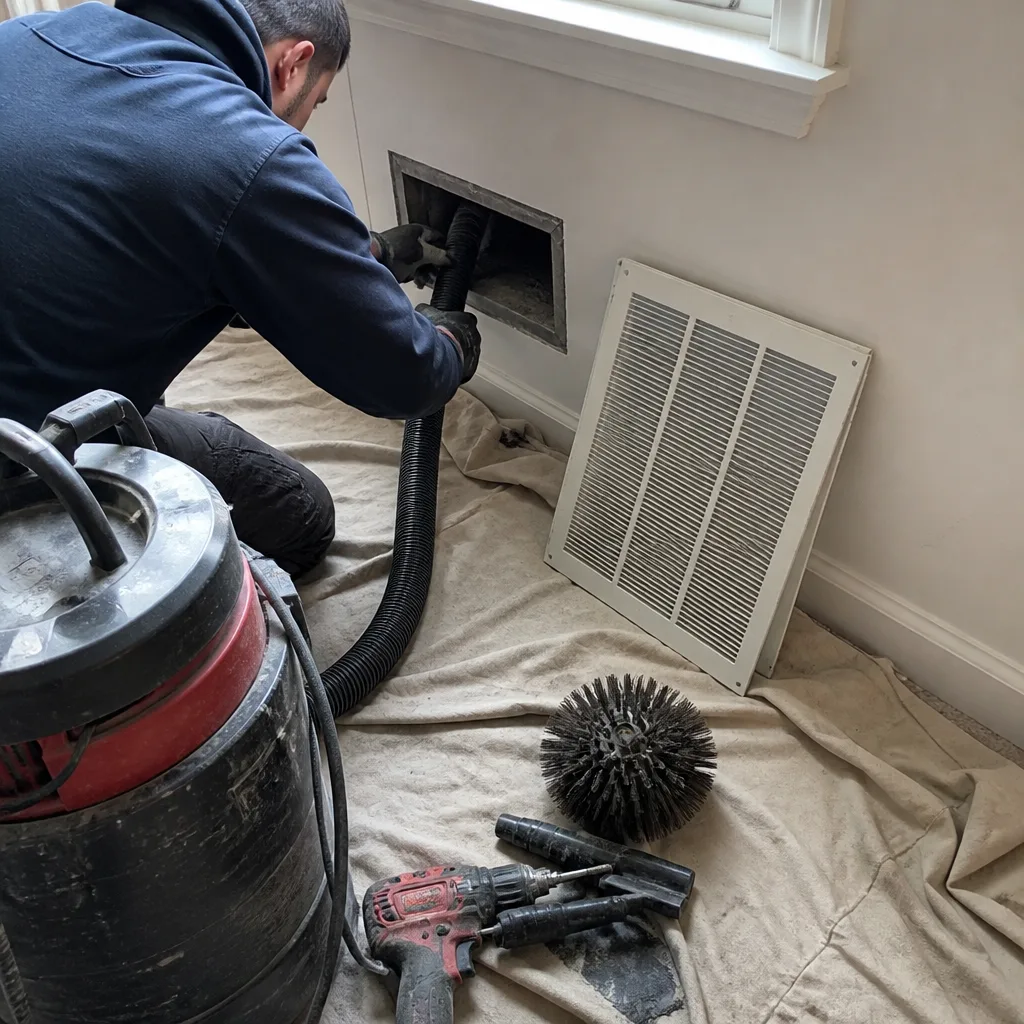 After
After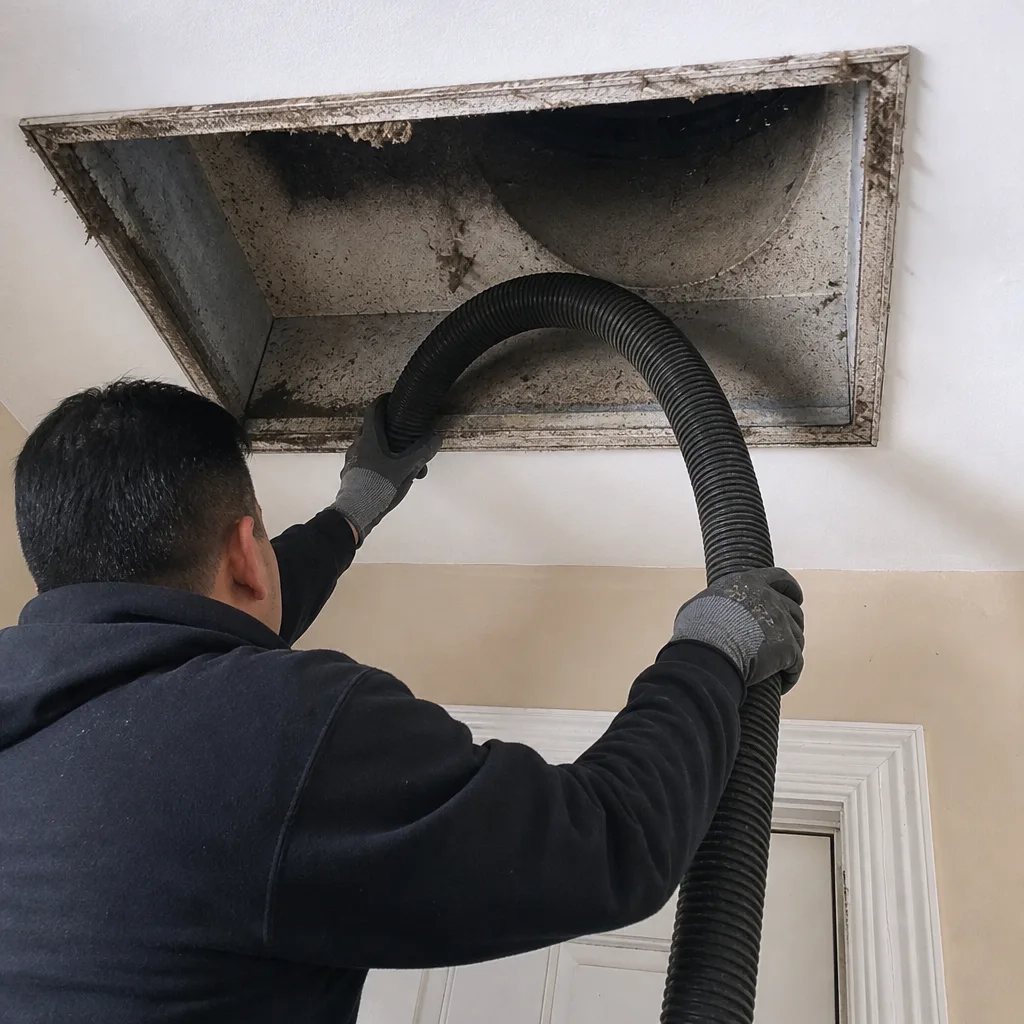 Before
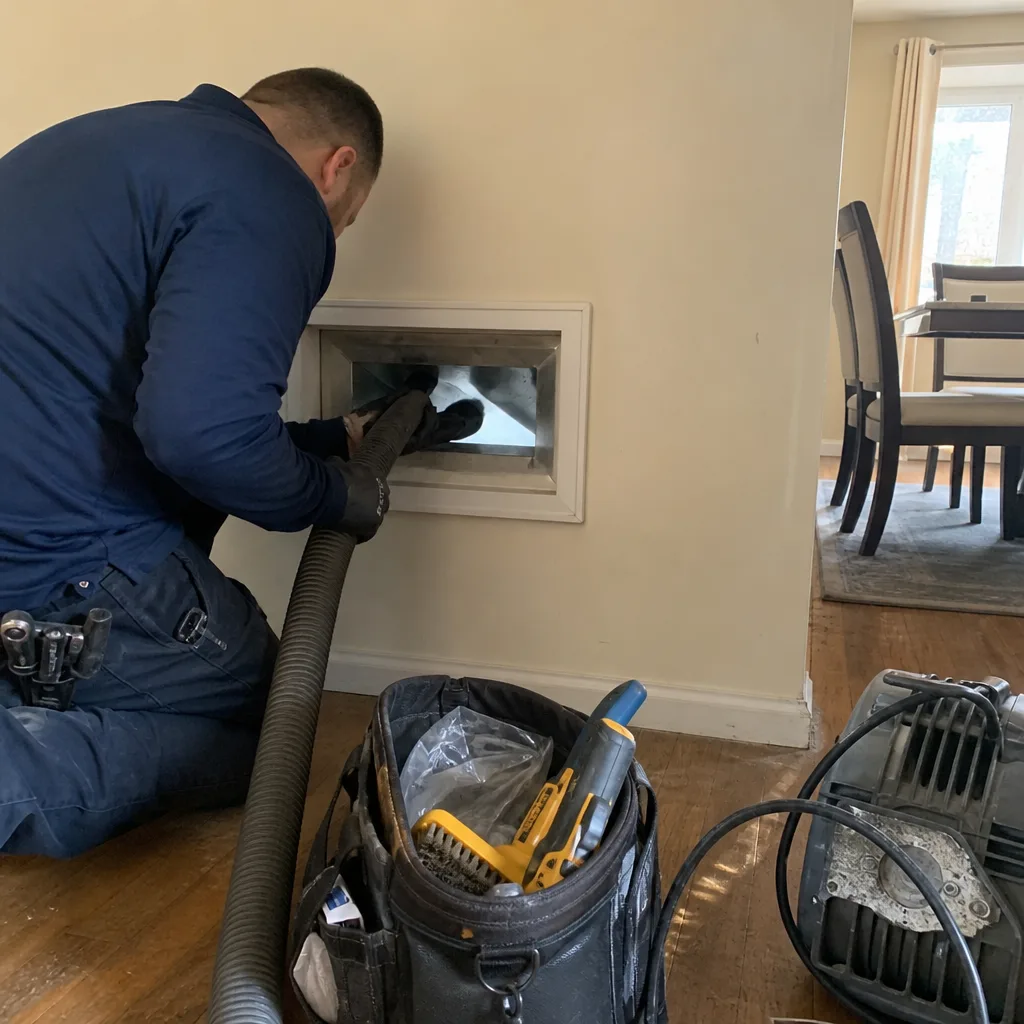 After
AfterReplacement Cost & What’s Included
In Brooklyn, you can expect a vent sanitizing module replacement on an Abatement Technologies unit to run between $280 and $520 all-in. The lower end covers a standard lamp-only replacement on a newer unit where the housing and driver are still in good shape. The upper end covers a complete module swap on older units where the ballast and the lamp are replaced together, or where the unit needs a deep interior cleaning before the new part goes in.
Every quote we write for this work is one flat price for the whole job, agreed before we start. That includes the part, the labor to open the unit, the replacement, the cleaning of the surrounding housing, and a function test at the vent. It also includes our photo documentation: before and after, so you can see exactly what condition the old part was in and what the new one looks like installed. The work is covered by our 365-Day Done Right Promise. If the vent sanitizing component fails within a year of our replacement, we make it right at no charge.
We carry the common Abatement Technologies vent sanitizing modules on our trucks, which means most Brooklyn appointments are one visit. If we need a specific part for an older or less-common unit, we’ll order it and come back at no additional trip charge.
DIY or Call Us?
There are two checks you can safely do yourself before calling. First, look at the indicator panel and note what it’s showing: “service,” “ready,” or a flashing sequence. That information helps us pick the right part before we arrive. Second, if your unit has a visible access window, look at the lamp module and note whether it’s glowing steadily, flickering, or dark. That’s it. Turn the unit off before you do either check, and don’t open the access panel.
Here’s where DIY goes sideways on these units. Abatement Technologies vent sanitizing modules run on line voltage, and the ballast inside the housing stores charge even after the unit is unplugged. Opening the panel without draining that charge is a genuine electrical hazard, not a “maybe.” We say that plainly because we’d rather have you call us and pay for an hour of our time than pay an ER copay. And if you’ve already opened the unit and put it back together, tell us that when you call, because it changes how we approach the diagnostic. We’ll never make you feel foolish for asking. Call us at (607) 536-9605 and Paul or one of our technicians will walk you through the safe checks right over the phone.
FAQs
Most modules are rated for 9,000 to 16,000 hours of run time, and in Brooklyn homes where units often run 10 to 14 hours a day, that’s roughly two to four years of real-world life. After that, the lamp output drops below what the unit needs to actually sanitize, even if the lamp still glows.
In most cases no. The lamp element and the driver are sealed components, and while we can sometimes test and confirm which half of the module failed, the repair is always a replacement, not a fix. What matters for you is that we’ll only replace the half that needs it.
Once we’re at your Brooklyn home with the right part in hand, the actual module swap takes 30 to 50 minutes on most Abatement Technologies units. That includes opening the housing, replacing the part, cleaning the interior surfaces, and running a function test at the vent.
Yes. We stock the most common OEM modules and quality aftermarket equivalents for the Abatement Technologies units we see most often in Brooklyn, and if we don’t have yours on the truck, we’ll order it and return without a trip charge.
If your Abatement Technologies unit is showing any of the signs above, or if you just want a technician to check the vent sanitizing output, call us at (607) 536-9605. We’ll give you a written price before any work starts, and if you like, we’ll tell you exactly what we see, what it costs, and what we plan to do about it, in that order.
Written by Paul Adeyemi, Owner, Mortons Air Duct Brooklyn at Mortons Air Duct Brooklyn, serving Brooklyn and nearby areas.