
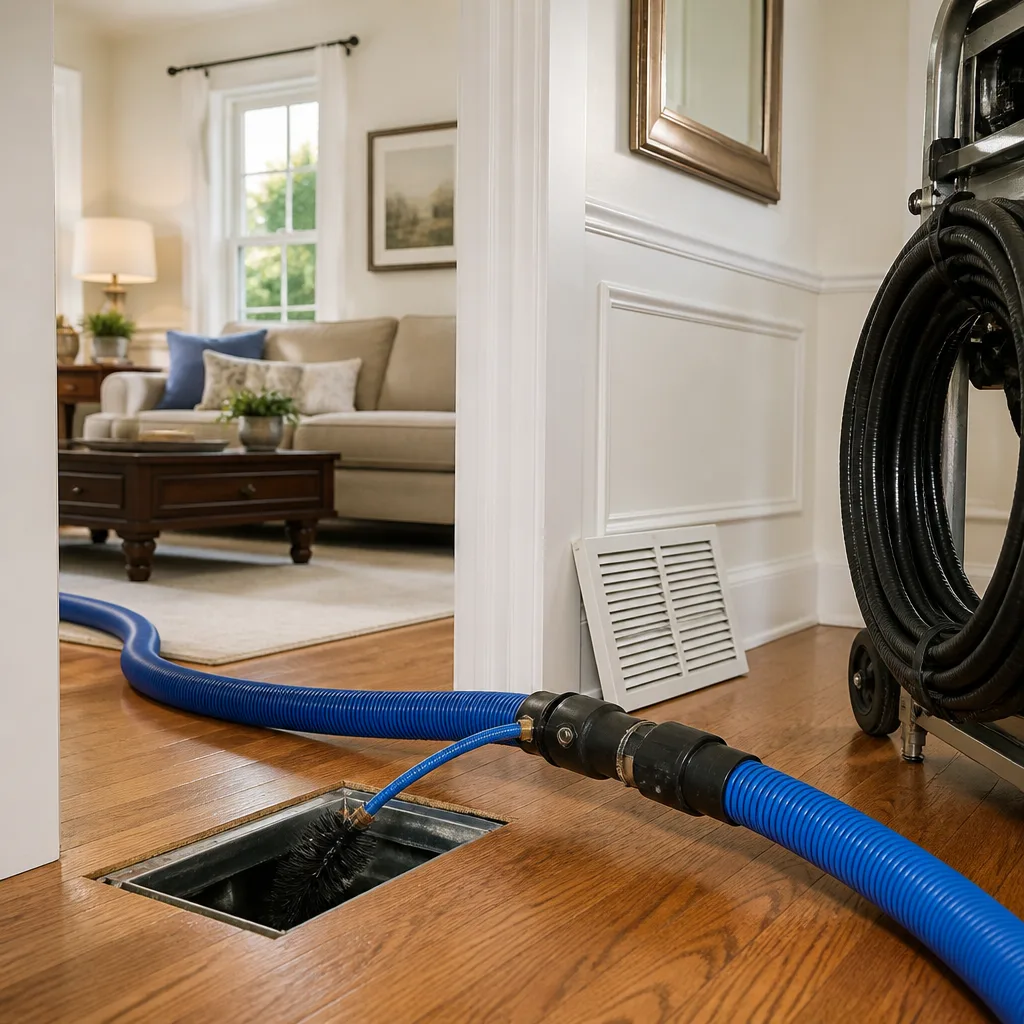
 Whole-home duct cleaning
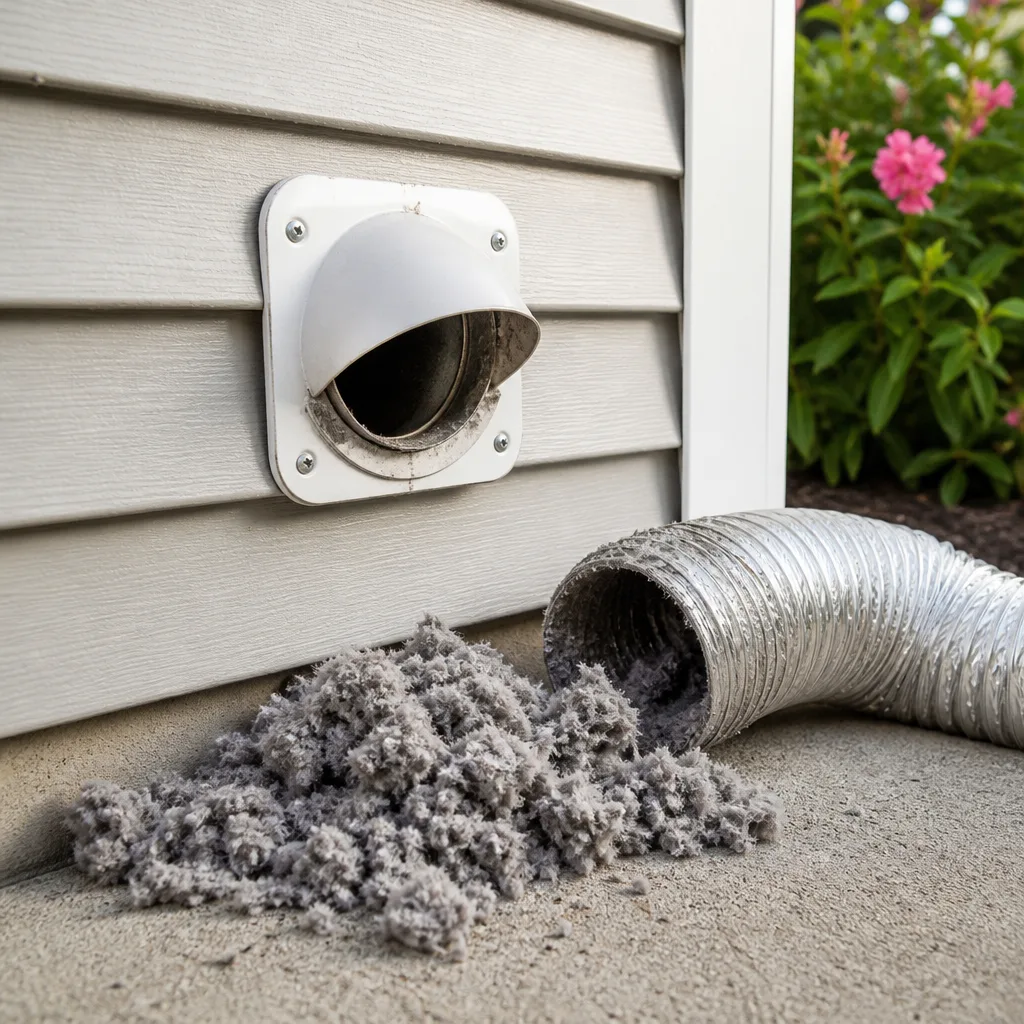 Dryer vent cleaning
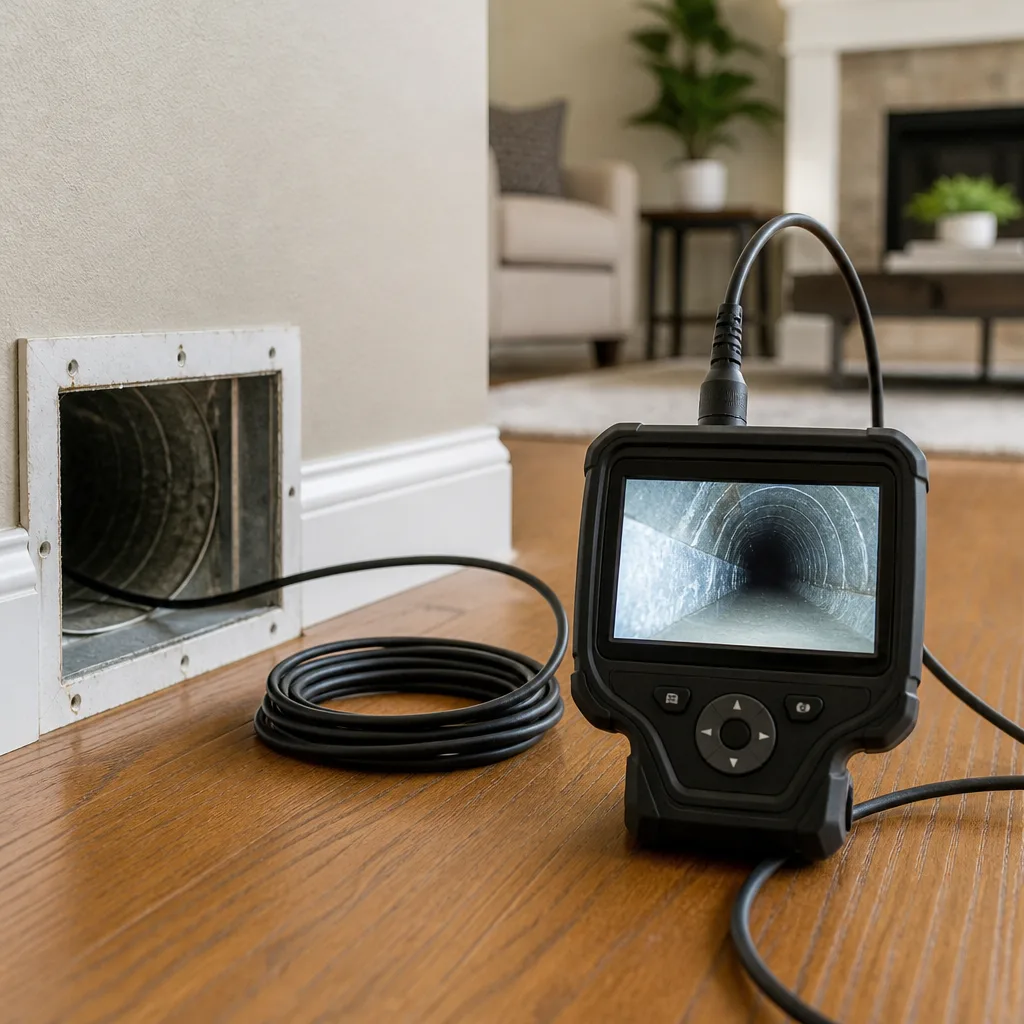 Camera inspection
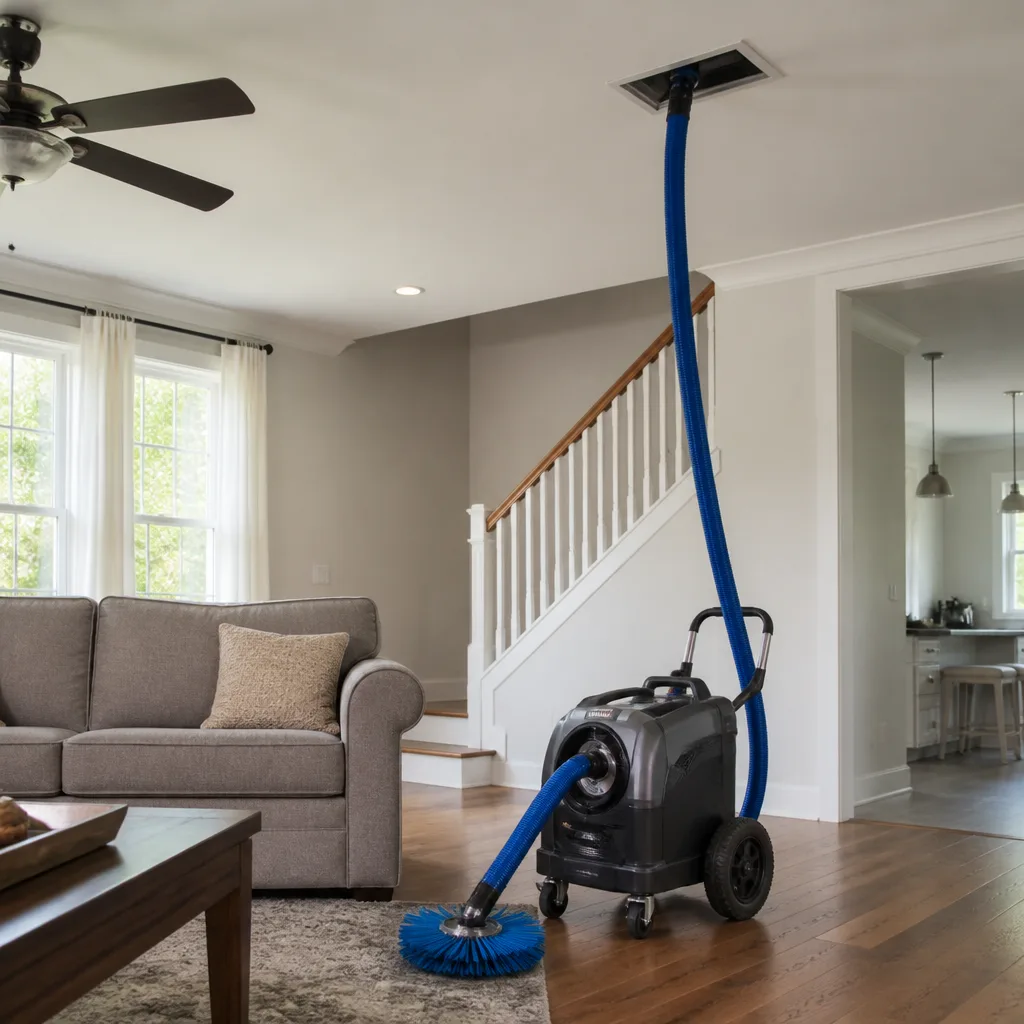 Sanitizing & deodorizing
Whole-system duct and dryer vent check with before-and-after photos - you see exactly what came out of your vents
That "$99 whole-house special" is a bait ad - the real number appears once they are in your hallway, or the "clean" is a shop-vac at the register. We photograph the inside of your ducts before and after instead.
Honeywell Coil Cleaning: The Brooklyn Owner’s Guide
Honeywell coil cleaning in Brooklyn typically runs $180 to $420 for a full evaporator and condenser coil cleaning on a residential system, and we stock the cleaning solutions, coil combs, and fin straighteners to match Honeywell units specifically. Most Brooklyn homeowners discover their coils need attention when the AC runs longer than it used to, or when rooms at the far end of the apartment never quite cool down, regardless of the thermostat setting. We can usually get to a coil cleaning job within a few days, and the work itself takes two to three hours when we’re also doing a full system check.
Here’s the thing about Honeywell coils, whether it’s an evaporator coil above a furnace in a Park Slope brownstone or a condenser coil wedged between buildings in Bensonhurst: Brooklyn air is hard on them. Construction dust, pet hair, and the fine grit that blows off the BQE and Gowanus settle into the coil fins and stay there. What starts as a thin film becomes a mat, and that mat is an insulator sitting exactly where heat transfer is supposed to happen. When we clean a coil properly, we’re not just spraying it. We’re restoring the airflow and the temperature drop the system was designed for.
Which Honeywell Models This Applies To
Honeywell produces coils across several residential and light commercial lines. The most common ones we work on in Brooklyn fall into two groups. First, the Honeywell evaporator coils that come paired with forced-air furnaces, frequently the cased A-coil or slab coil designs used in older Brooklyn homes where a furnace got paired with a retrofit AC system. Second, the condenser and evaporator coils in Honeywell’s smaller ductless and packaged unit lines, which show up a lot in apartments, brownstone floor-through conversions, and the back extensions so common in Ditmas Park and Midwood.
Identifying your exact coil is easier than most owners expect. The model number is stamped on a plate attached to the coil cabinet or the front of the coil housing itself, typically starting with a letter sequence like “HCE” or “HCD” for Honeywell evaporator coils. If the plate is worn or missing, the coil dimensions and the number of fins per inch help us identify what you have. One important note: Honeywell has shifted manufacturing specs over the years, and a coil from a 2012 system is not always a drop-in match for the same model number produced in 2020. The refrigerant line spacing and fin density changed on several series. If you’re replacing rather than cleaning, we verify measurements before ordering anything, because a coil that’s off by half an inch in the right place means a return visit nobody wants.
On the OEM versus aftermarket question for Honeywell specifically: Honeywell’s OEM coils and the quality aftermarket equivalents from brands we trust, like the ones we source through our supply partners, are generally comparable in materials. The real difference is fitment tolerance. Honeywell builds their coils to tighter cabinet tolerances than some economy aftermarket versions, and in a Brooklyn hallway closet or a tight basement mechanical room, that half-degree of casing alignment matters. We’ve installed both, and we’ll tell you plainly what the difference is and what it costs before any work begins.
Styles & brands we work with
Signs Your Honeywell Coil Cleaning Is Failing
- The system runs longer to hit the same temperature. A dirty coil is an insulated coil. The refrigerant can’t pull as much heat out of the air, so the compressor works longer cycles. In a Brooklyn August, when the outdoor condenser is already fighting 90-degree pavement heat, this is the first symptom most people notice.
- Rooms at the end of the run never cool down. Reduced coil airflow means less conditioned air makes it through the ductwork. In the long runs typical of railroad apartments and pre-war floor-through layouts, the last room suffers first.
- You can see dust or a gray mat on the coil fins. Pull the access panel on the evaporator and look. If the fins look fuzzy or you can’t see light through the coil, that’s years of accumulated Brooklyn dust, pet dander, and construction grit. This is the single most reliable visual sign.
- The condensate pan is overflowing or the coil is icing up. A dirty coil runs colder at the surface because airflow is restricted. That leads to condensation freezing on the coil itself, and when it thaws, the pan overflows. If you see water stains on the floor near the air handler in a Crown Heights basement apartment, the coil is usually where the story starts.
- Electric bills are climbing without any other change. The compressor and blower both work harder against a plugged coil. Con Ed bills in Brooklyn are already high enough; a dirty coil makes it measurably worse, season over season.
See the difference
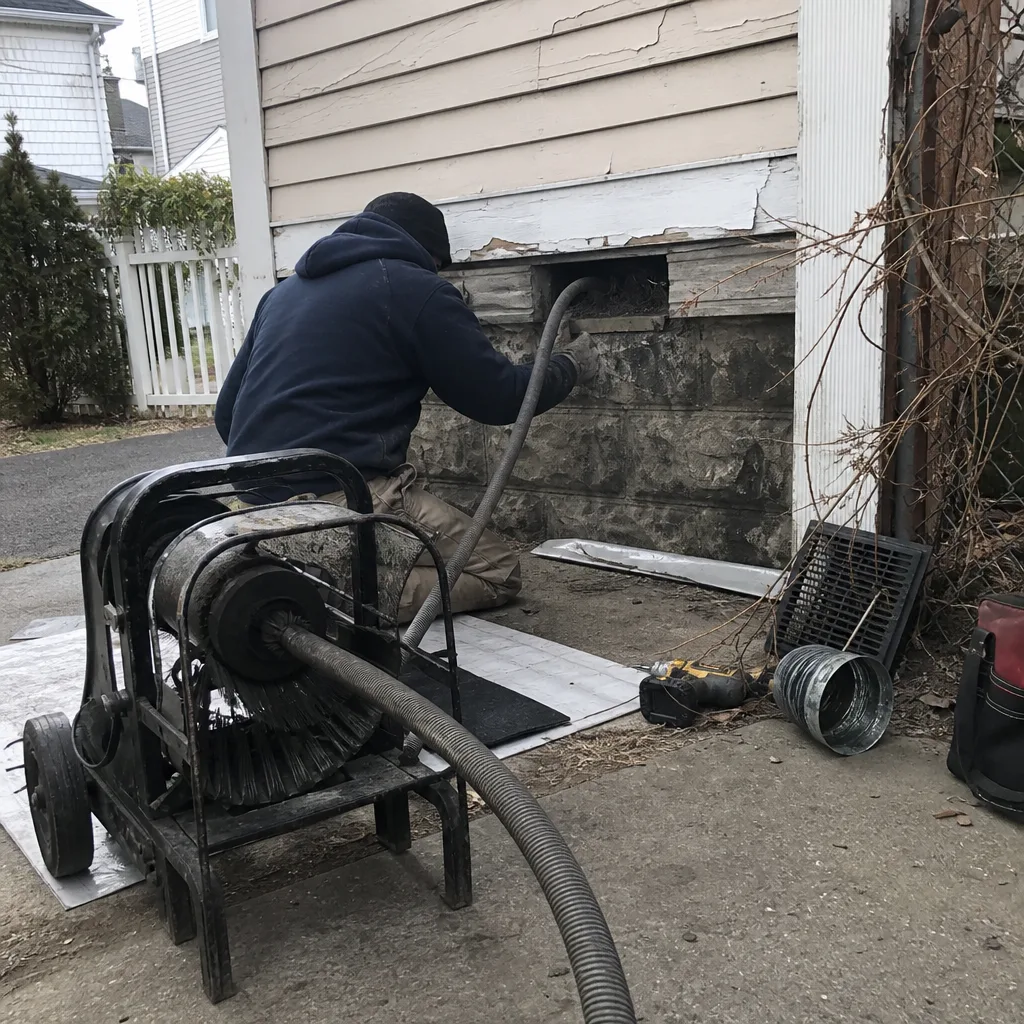 Before
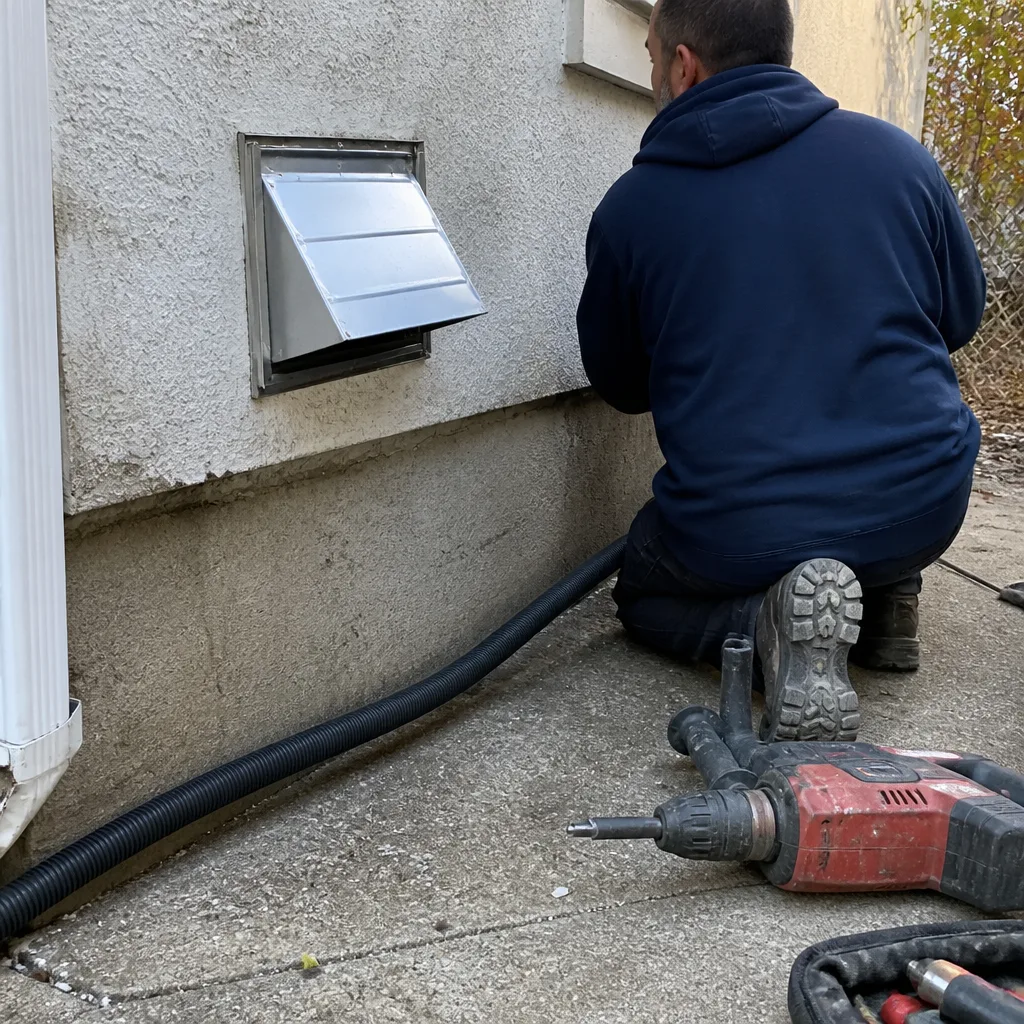 After
After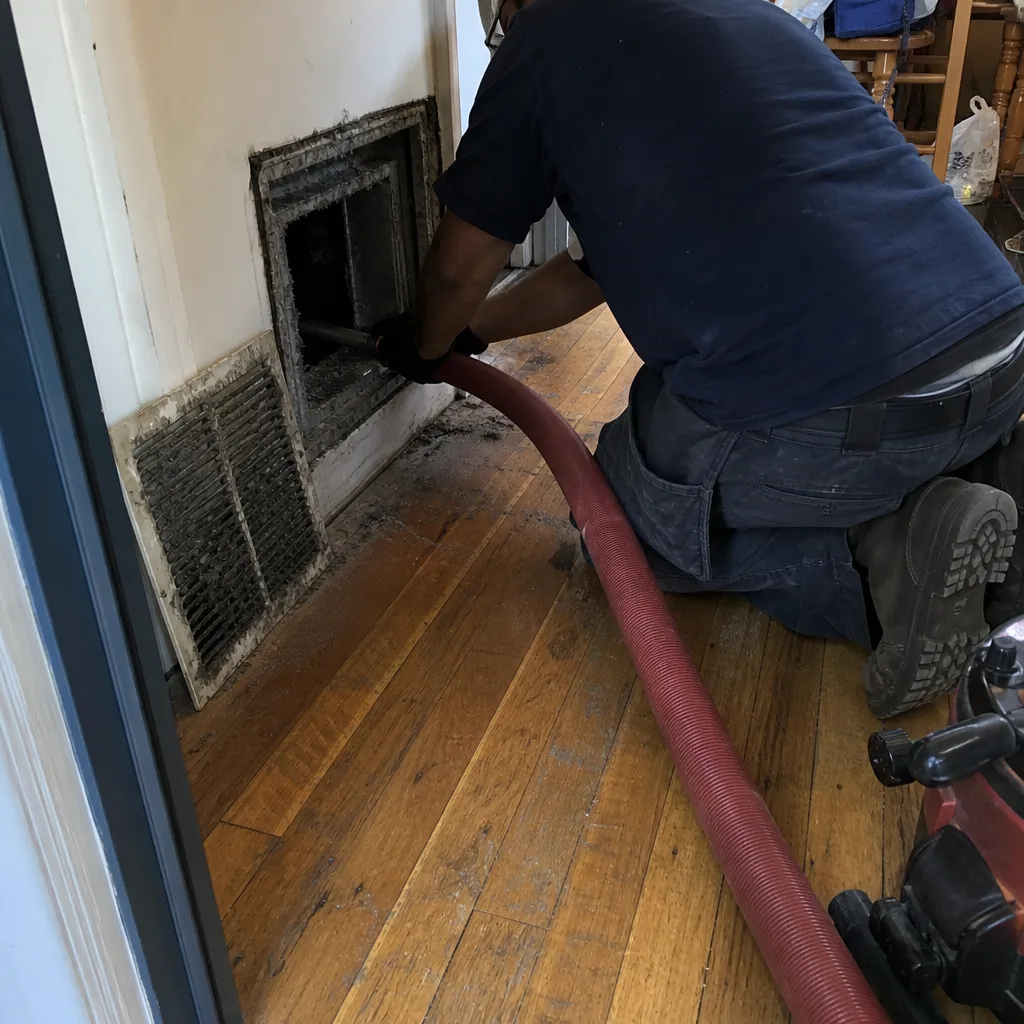 Before
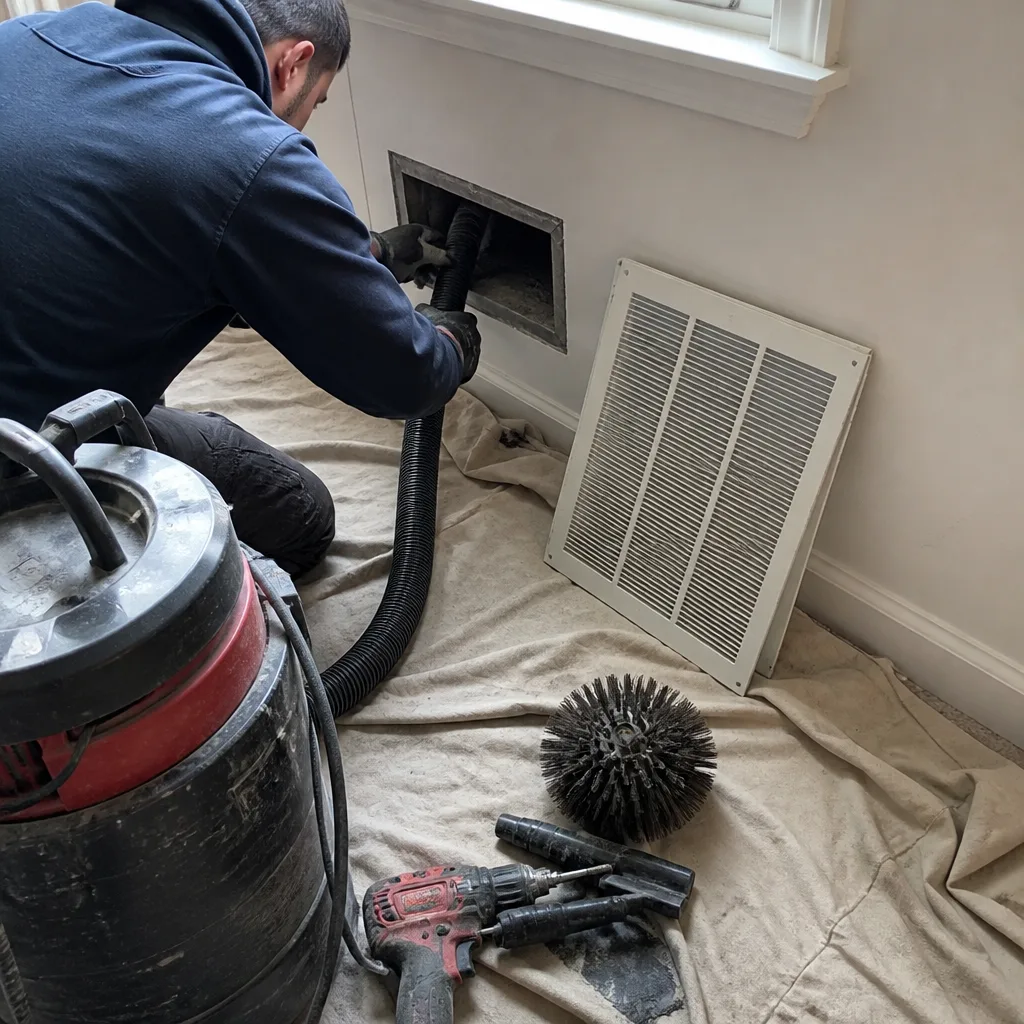 After
After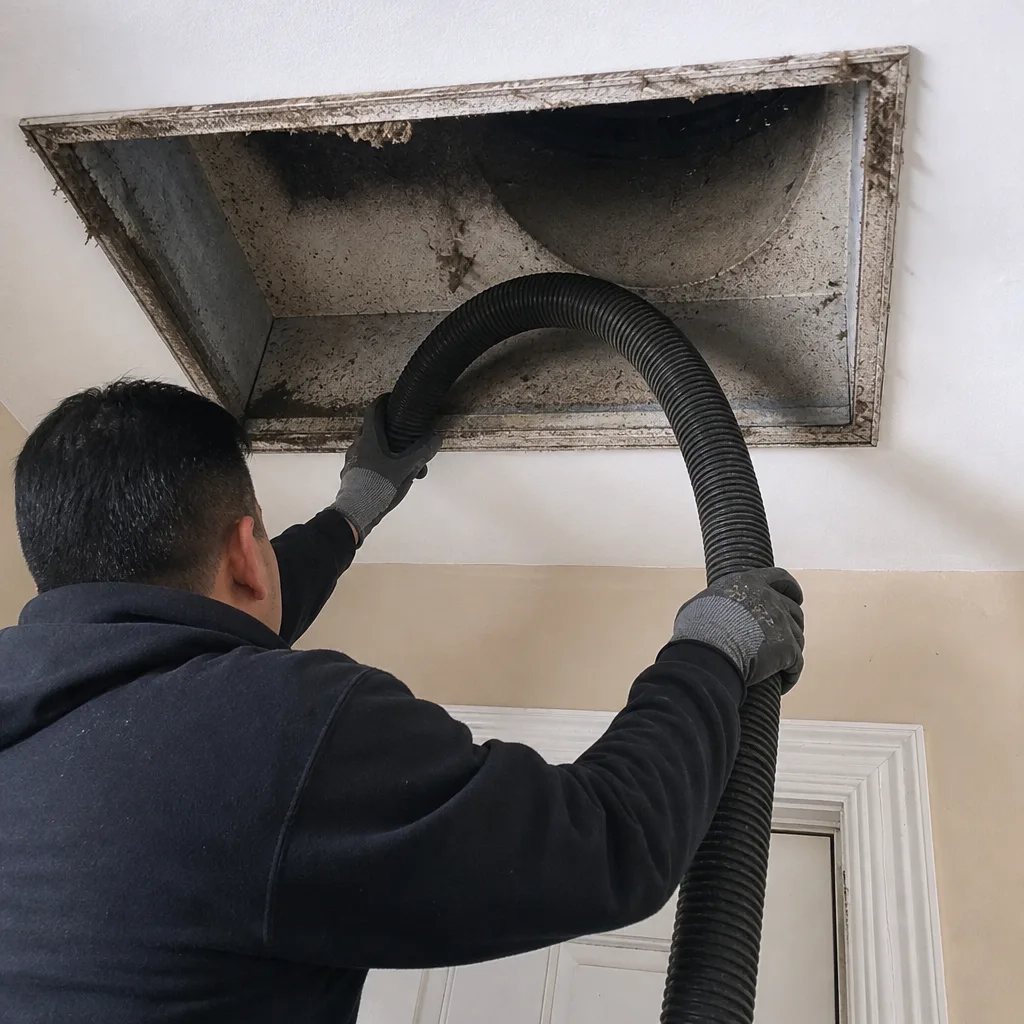 Before
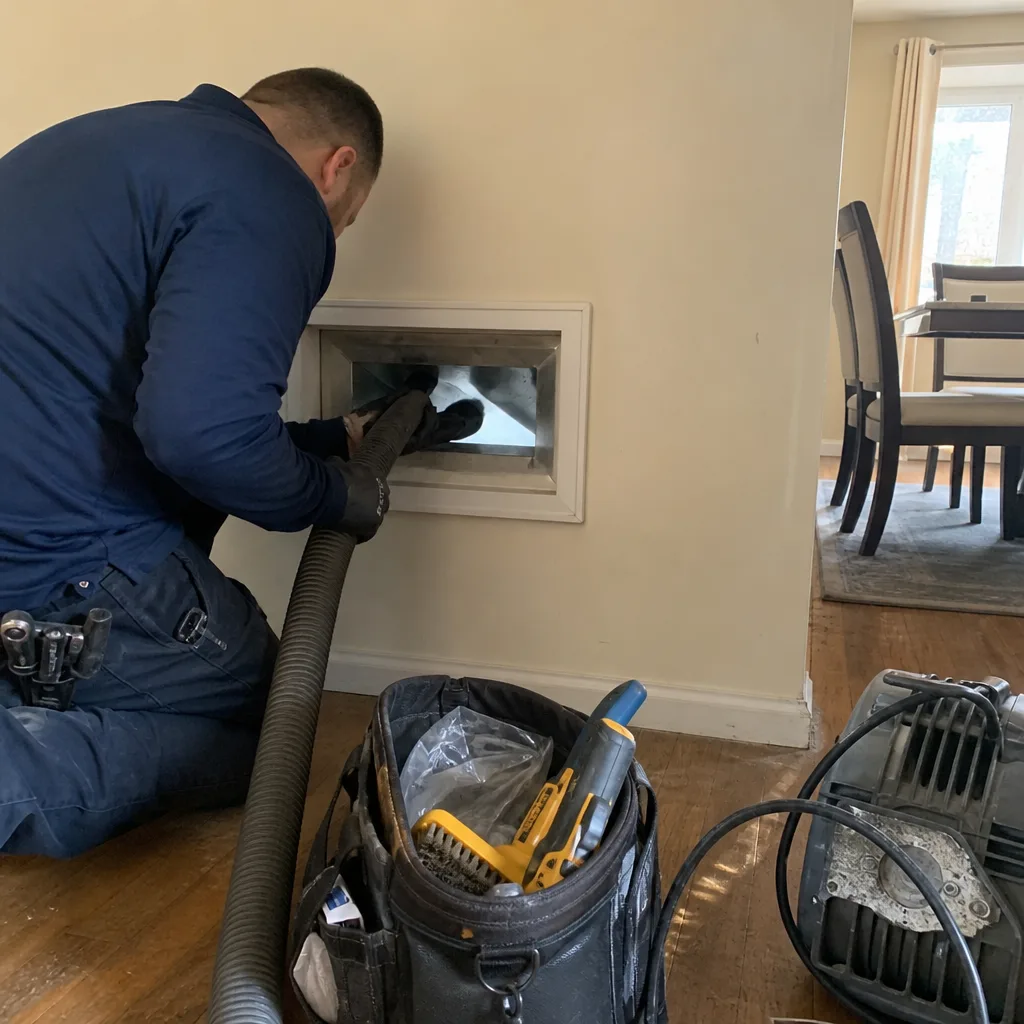 After
AfterReplacement Cost & What’s Included
For Honeywell coil cleaning in Brooklyn, expect to budget $180 to $420 depending on whether we’re cleaning one coil or both, and how accessible the unit is. A straightforward evaporator coil clean on a residential furnace in an open basement runs the lower end. Adding the outdoor condenser coil, or working in a crawlspace or a packed closet mechanical room in Boerum Hill or Cobble Hill, pushes toward the higher end.
Every coil cleaning we do includes removing the access panels, protecting the area around the unit with drop cloths, cleaning the coil with professional-grade solutions formulated for aluminum and copper coils, straightening bent fins, checking the condensate drain, and verifying the temperature drop across the coil before we pack up. The price is written down and confirmed with you before we start, the same way we handle every air duct cleaning job in Brooklyn. You know the number before we touch a single panel. No add-on surprises at the end. And like every service we perform, it’s covered by our 365-Day Done Right Promise: if the coil isn’t clean the way we said it would be, we make it right.
DIY or Call Us?
Some coil maintenance is safe for a homeowner. Changing the filter regularly, keeping the area around the return vents clear, and gently vacuuming loose dust off the face of an accessible evaporator coil with a soft brush attachment are all reasonable steps. If you can see the coil and the fins are just lightly dusted, a careful homeowner can handle that much without risk to the equipment.
Here’s where DIY goes wrong. Coil fins are thin aluminum. They bend with almost no pressure. A too-firm brush stroke flattens dozens of fins and makes airflow worse than the dust did. The wrong cleaning chemical, especially anything acidic or bleach-based, can corrode the aluminum and shorten the coil’s remaining life by years. And if the coil is frozen, or the condensate pan is overflowing, or you’re dealing with a rooftop condenser coil on a Brooklyn brownstone, that’s a professional job, both for the result and for the safety of anyone climbing a ladder where space is tight and power lines are close. Paul Adeyemi says it best: “I will tell you what I see, what it costs, and what I plan to do about it in that order.” Call (607) 536-9605 and we’ll come assess your Honeywell coil properly.
FAQs
A properly maintained Honeywell coil in a Brooklyn system typically lasts 12 to 18 years before the aluminum fins or copper tubing start to degrade. The biggest variable here is how often the coil gets cleaned, given the dust, humidity swings, and salt air some neighborhoods near the water experience. A coil that’s never cleaned in a home near the Gowanus or Red Hook will fail years earlier than one that gets regular attention.
In most cases, yes. Cleaning is the repair. When a coil has bent fins, restricted airflow, reduced cooling, and a layer of buildup, professional cleaning restores most of the original performance. Replacement only becomes necessary when the coil has a refrigerant leak, deep corrosion, or structural damage that cleaning can’t address. We’ll tell you which situation you have before recommending anything.
A Honeywell coil cleaning on a single system takes two to three hours in most Brooklyn homes. That includes panel removal, drop cloth protection, the cleaning itself, fin straightening where needed, condensate drain check, and temperature verification before we leave. We work around nap schedules and family routines whenever it matters.
Yes. Our trucks carry the coil cleaning solutions, fin combs, and straightening tools matched to Honeywell aluminum and copper coils, along with supplies for Lennox, Trane, and Carrier systems. We arrive prepared for the Honeywell system you have, and we’ll show you the before and after with photos so you can see the result yourself.
Written by Paul Adeyemi, Owner, Mortons Air Duct Brooklyn at Mortons Air Duct Brooklyn, serving Brooklyn and nearby areas.