
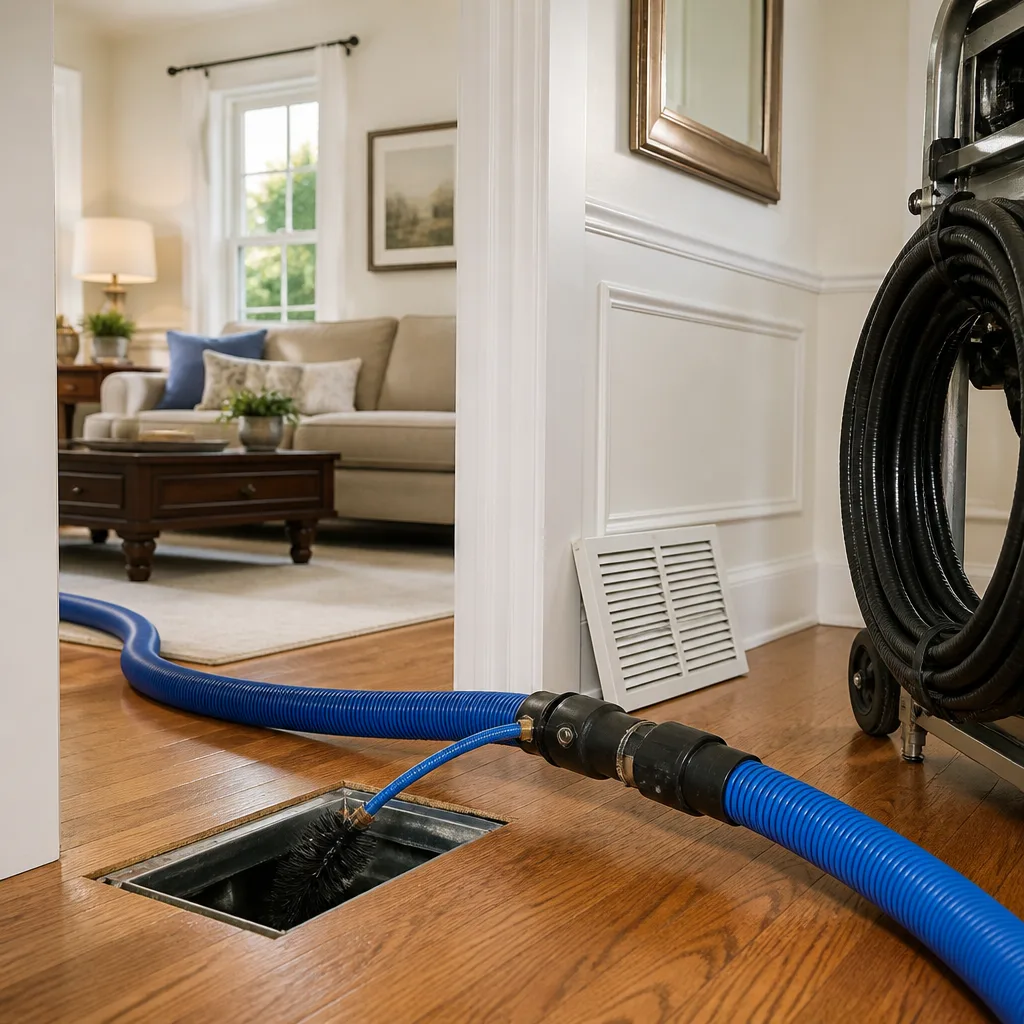
 Whole-home duct cleaning
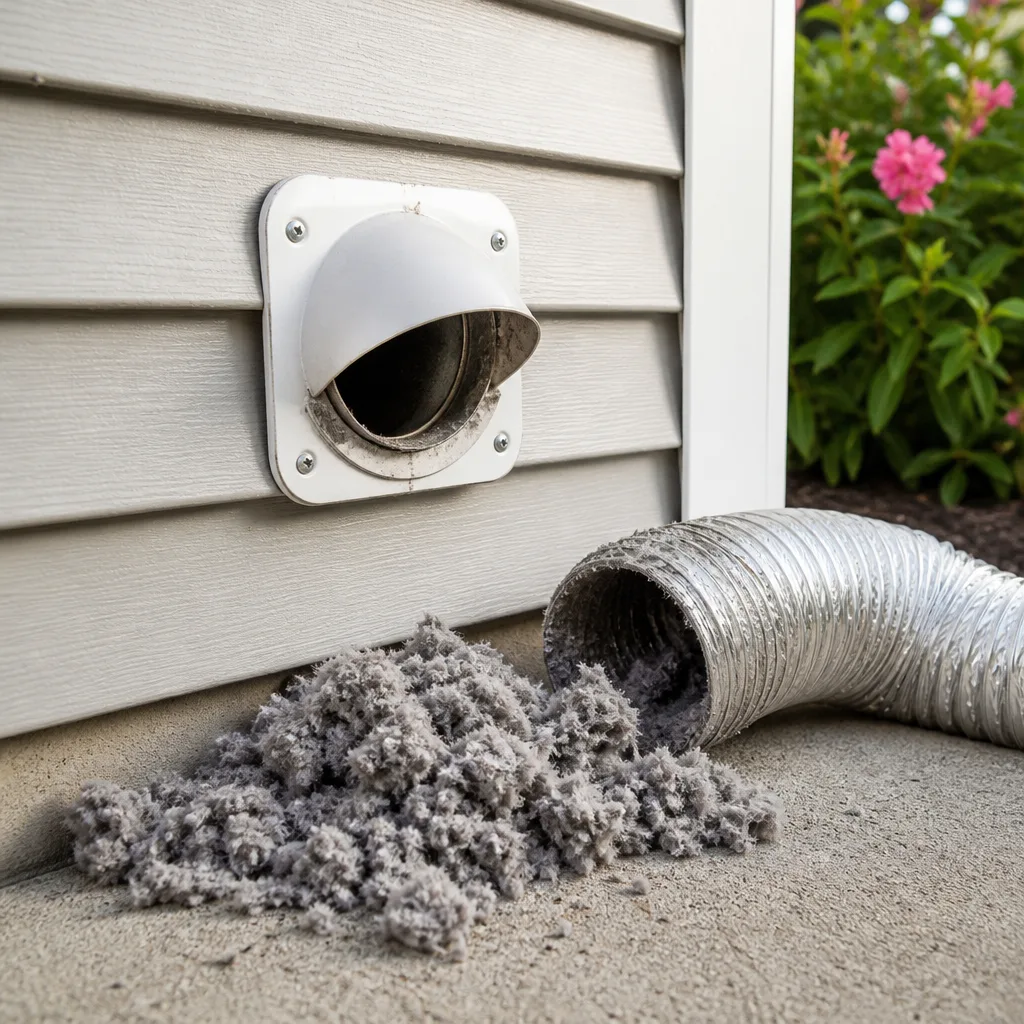 Dryer vent cleaning
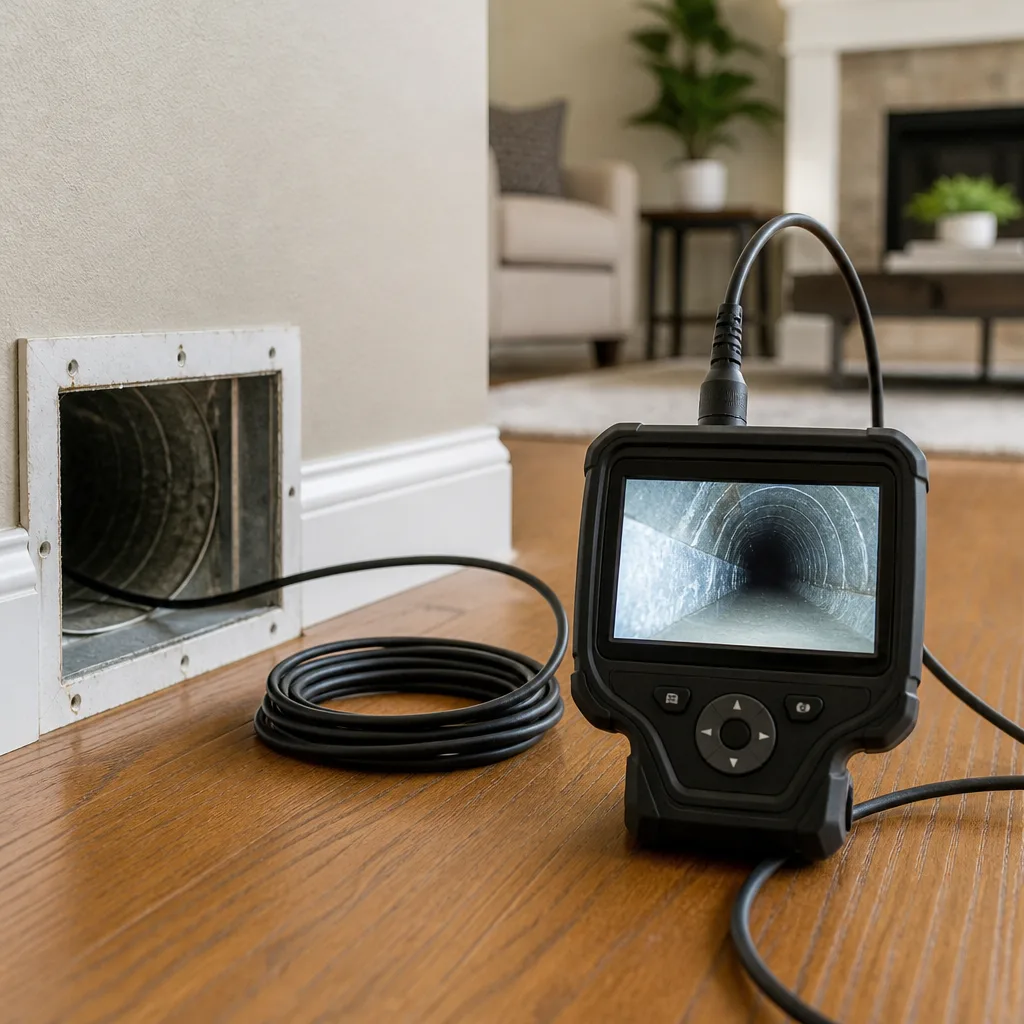 Camera inspection
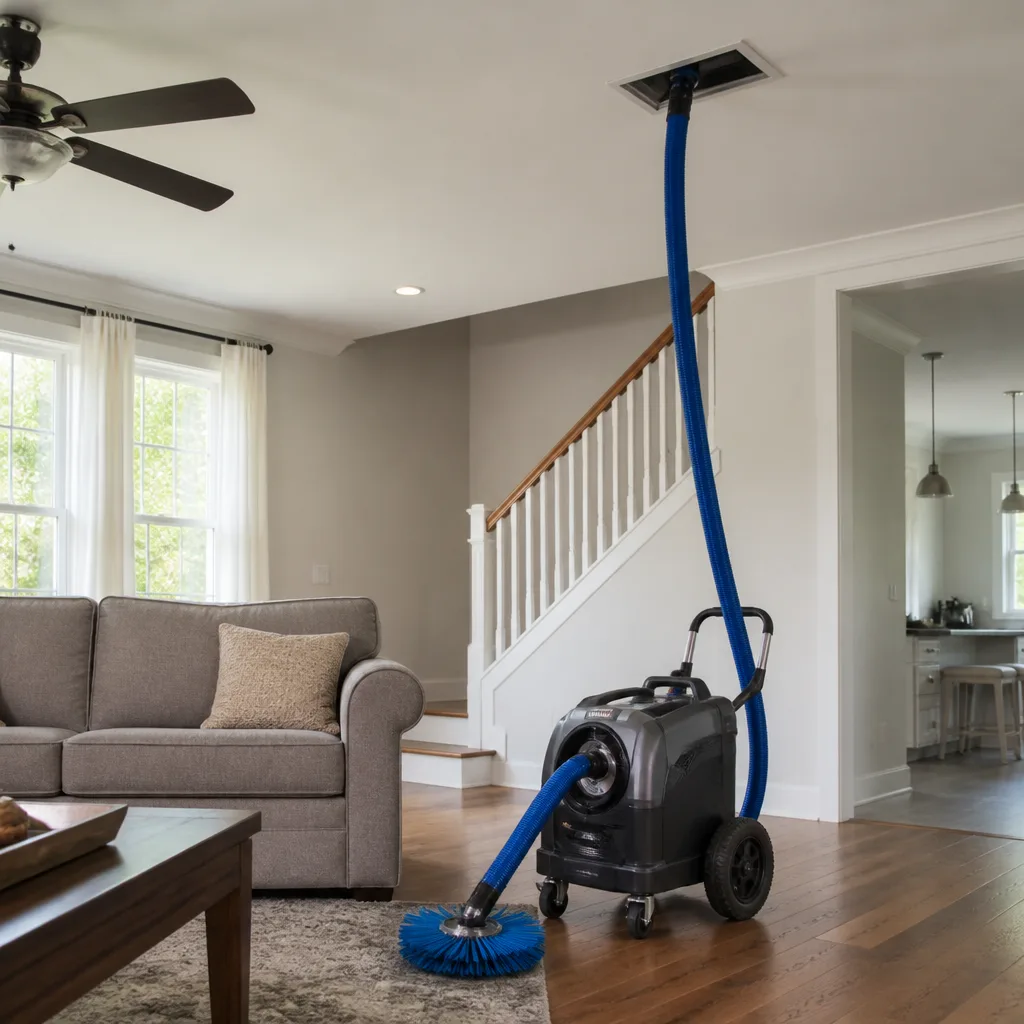 Sanitizing & deodorizing
Whole-system duct and dryer vent check with before-and-after photos - you see exactly what came out of your vents
That "$99 whole-house special" is a bait ad - the real number appears once they are in your hallway, or the "clean" is a shop-vac at the register. We photograph the inside of your ducts before and after instead.
Rotobrush Duct Sealing & Repair: The Brooklyn Owner’s Guide
If you own a Rotobrush system and the sealing gaskets, brush heads, or vacuum couplings have started to fail, we stock Rotobrush-compatible duct sealing and repair parts here in Brooklyn and can typically install them within one to two business days of your call. A typical Rotobrush duct sealing repair in Brooklyn runs between $180 and $420 installed, depending on which component failed and how many zones need resealing. We are an independent service provider, not affiliated with Rotobrush, but we run their equipment daily and keep the common failure parts on hand.
The way most owners discover a failing sealing component is subtle at first. Air noise changes, or the suction at the register ends drops off even though the motor sounds fine. Sometimes it is a visible crack in the sealing collar where the hose meets the unit. Other times the brush stops spinning under load because the drive coupling has stripped. By the time you notice the symptoms, the repair is usually straightforward. The trick is matching the part to your specific Rotobrush model, because the sealing components are not universal across the lineup.
Key Takeaways:
- We stock Rotobrush-compatible sealing collars, brush assemblies, and vacuum couplings for most common models.
- Installed repair pricing in Brooklyn typically runs $180 to $420, quoted in writing before work starts.
- A failing seal is usually diagnosed by air noise changes, reduced suction, or a visible crack at the connection point.
- All repair work carries the 365-Day Done Right Promise and the Cedarwell Care Promise.
Which Rotobrush Models This Applies To
Rotobrush has produced several system families over the years, and the sealing and coupling parts do not always cross over. The current-generation Rotobrush aiR series, the older R500 and R205 models, and the legacy Viper line each use different collar diameters and brush mounting styles. Before you order anything online, look at the data plate on the back of the unit. It will list the model number and the year of manufacture. That single detail saves more time than any other piece of information on the call.
For sealing components specifically, the critical measurement is the hose collar outer diameter. Most Rotobrush units use either a 2-inch or a 2.5-inch collar, but early 2000s R205 models used a slightly tapered 2.25-inch design that modern generic collars simply will not seat properly on. We also see a lot of Brooklyn owners who bought a used AiR system from another operator and discovered the brush drive coupling was swapped for an aftermarket piece with a different spline count. It fits fine in the housing, but it slips under load. We keep OEM-spec and quality aftermarket versions of both spline counts on the shelf so the unit is not down while you wait for a parts shipment.
Styles & brands we work with
Signs Your Rotobrush Duct Sealing & Repair Is Failing
- Reduced suction at the register ends. A cracked sealing collar or worn gasket lets the vacuum bleed air at the unit instead of pulling through the hose. The motor still sounds the same, but the cleaning power drops noticeably.
- Visible cracks or kinks in the sealing collar. The rubber compounds used in older Rotobrush collars do not love Brooklyn’s cold-winter, humid-summer swings. We see more collar failures in pre-war buildings in Park Slope and Crown Heights than anywhere else in the borough, simply because those basements cycle through wider temperature ranges.
- Brush head stops spinning when you feed it into the duct. That is usually the drive coupling, not the motor. The splines wear down over hundreds of hours of use and the brush loses torque under resistance.
- A high-pitched whine or grinding at the coupling point. This is the early warning the splines are slipping. Catching it here means replacing a $20 coupling instead of the full brush drive assembly later.
- Air leaking around the vacuum bag seal. On aiR systems, the bag-to-canister seal is a common failure point. If you see dust collecting around the rim of the canister, the sealing ring has compressed and is no longer holding a vacuum.
See the difference
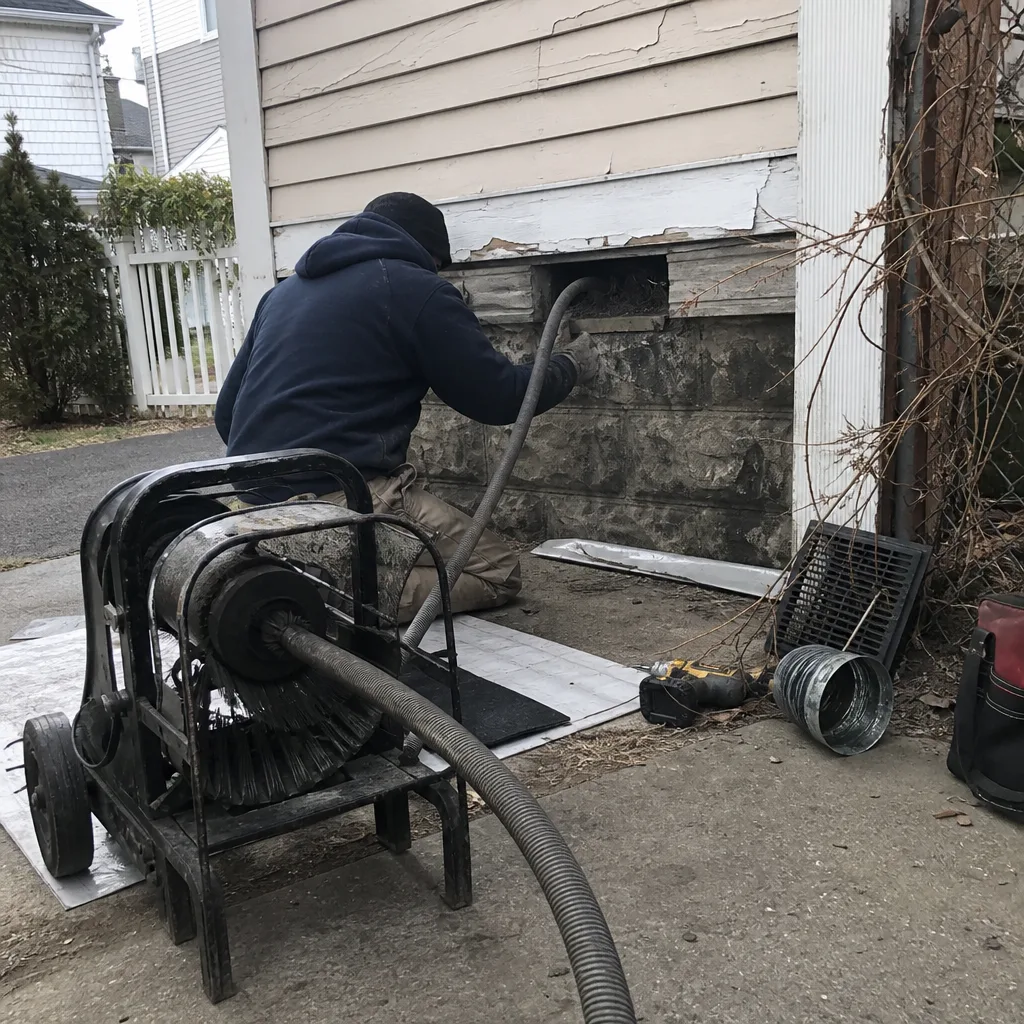 Before
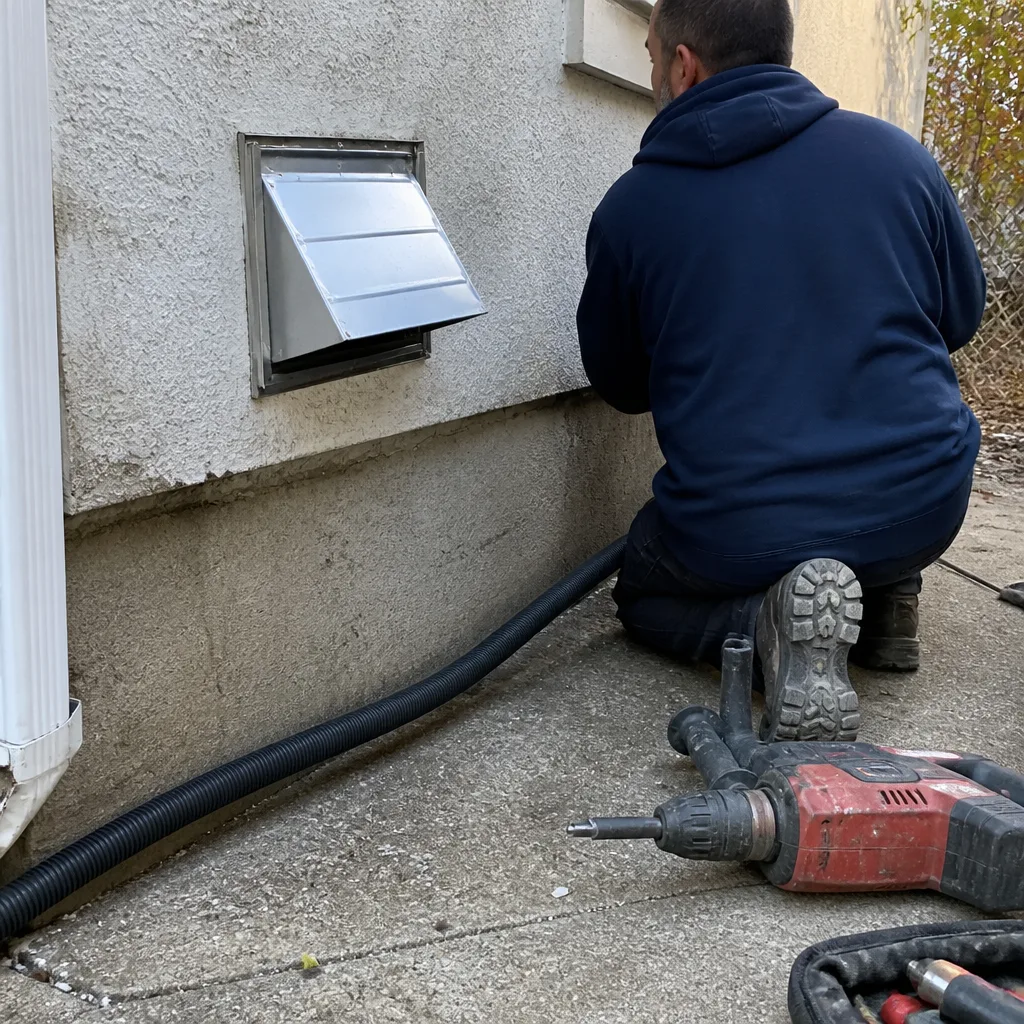 After
After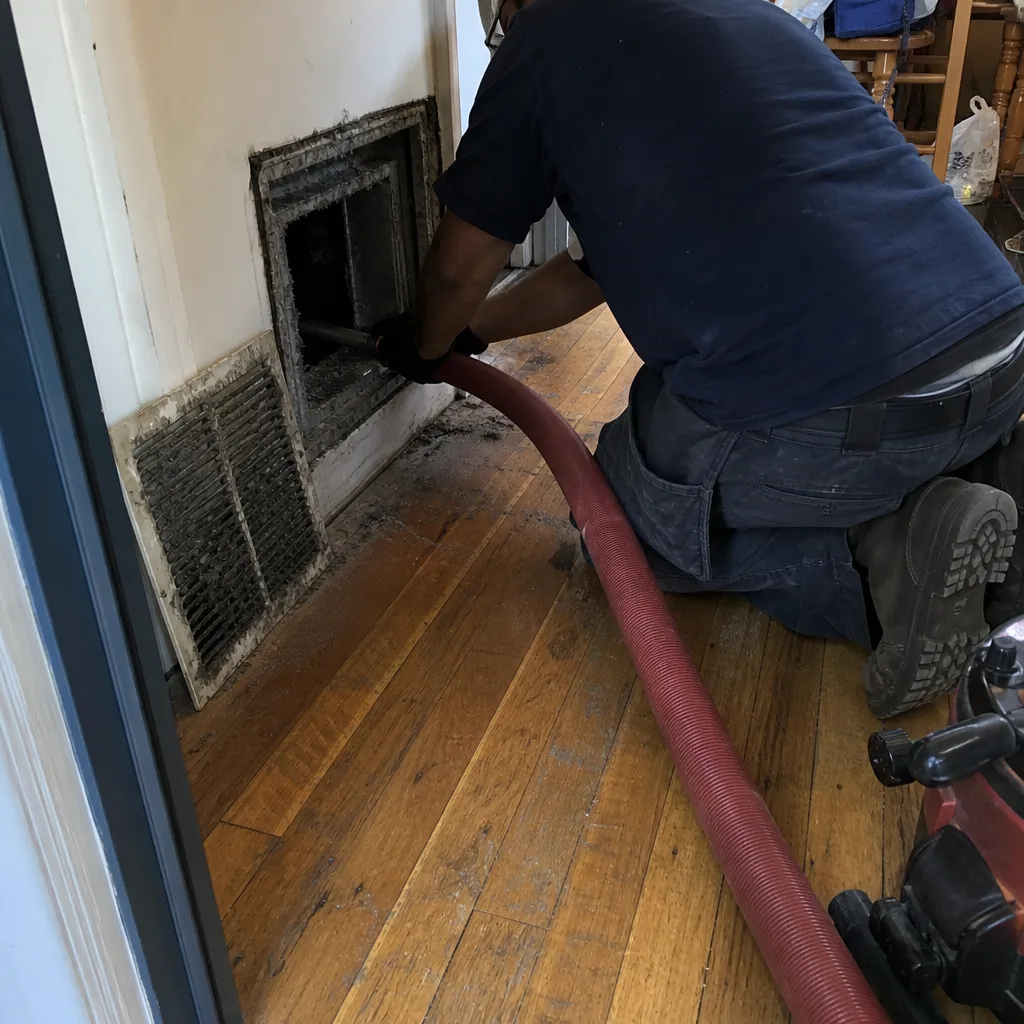 Before
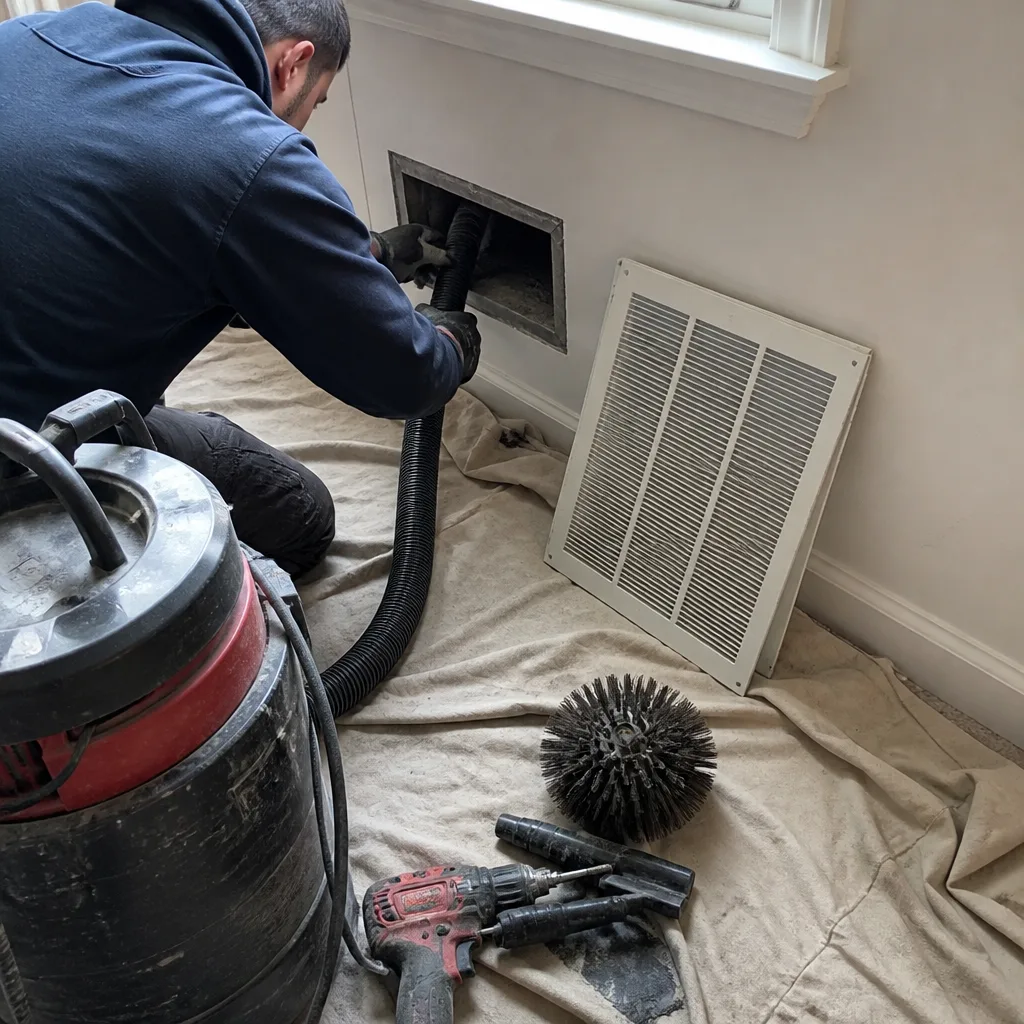 After
After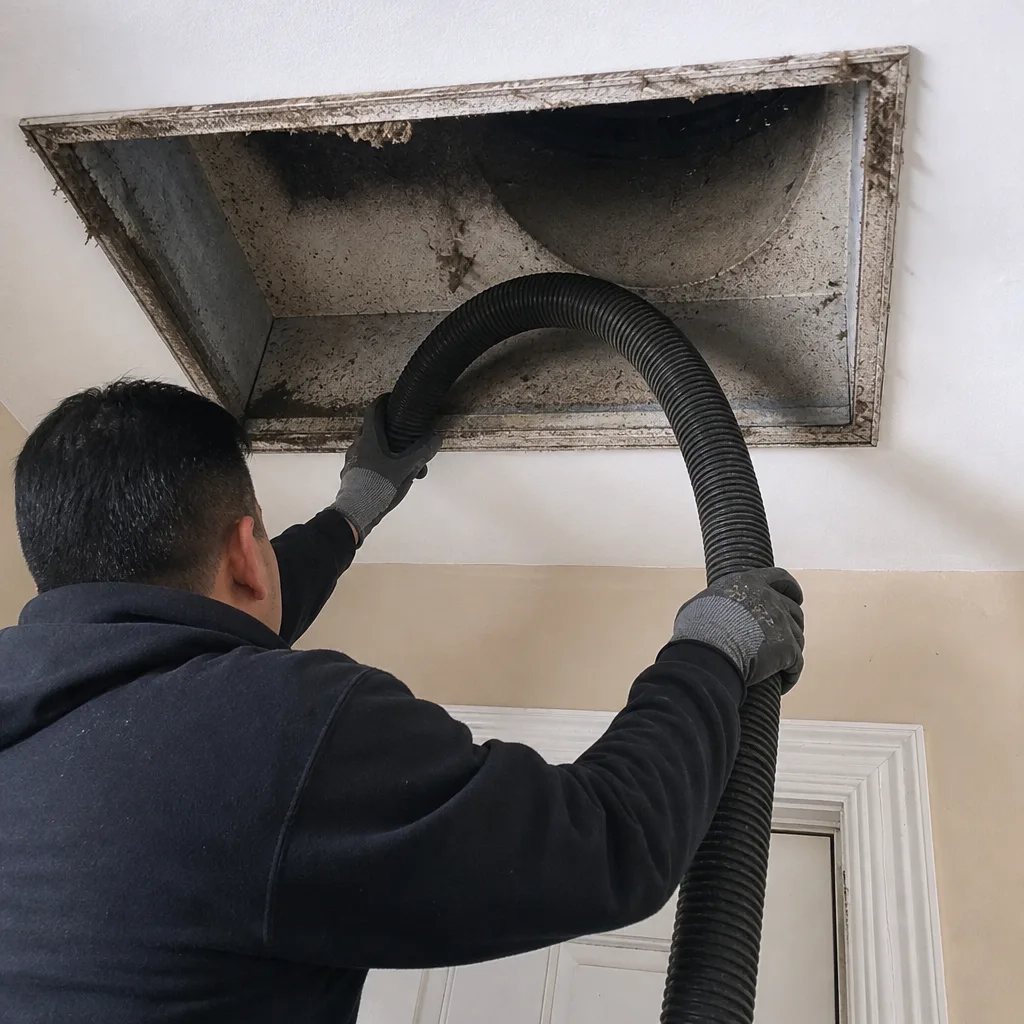 Before
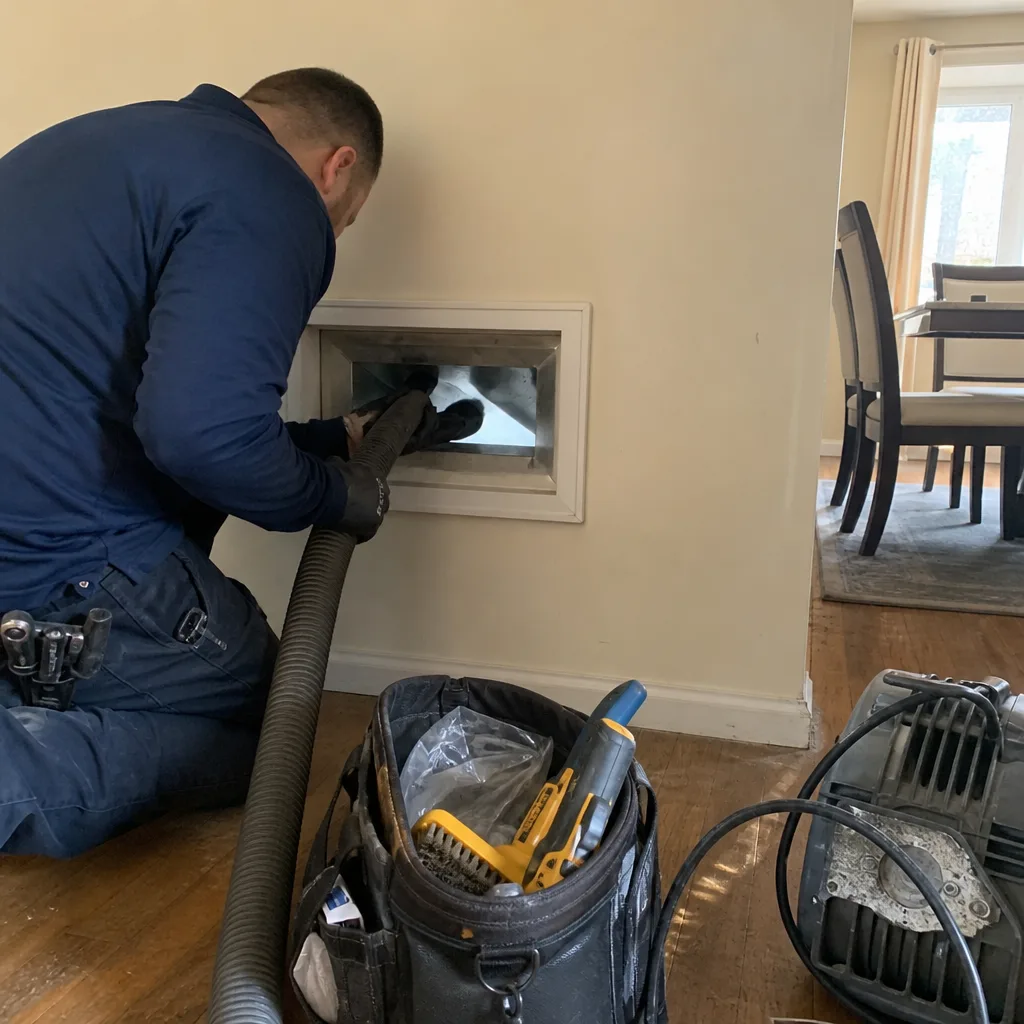 After
AfterReplacement Cost & What’s Included
We quote Rotobrush duct sealing and repair work in Brooklyn as one flat installed price, never a per-part-plus-hourly mystery. The range you should expect depends on the component:
- Sealing collar or gasket replacement: $180 to $260 installed, including the part.
- Brush drive coupling replacement: $220 to $310 installed, depending on spline count and whether we need to dress the shaft.
- Full brush head assembly replacement: $320 to $420 installed, including calibration and test run.
- Vacuum bag seal replacement (aiR models): $150 to $200 installed.
Every quote is written before we touch the unit. That includes the part, the labor, the calibration, and a test run on a section of your ductwork so you can see the sealing is holding before we leave. The work is covered by our 365-Day Done Right Promise. If the part fails within a year, we replace it and make it right.
DIY or Call Us?
There are two things worth checking yourself before you call. First, look at the sealing collar with a flashlight. If you see a visible crack, you know the diagnosis. Second, listen for that whine at the coupling when the brush is spinning free. If you do not hear it, your issue may be a simple clog at the register end, not a parts failure.
Here is where DIY goes sideways with Rotobrush units: the brush drive coupling is press-fit on a shaft that is easy to score or bend if you pry on it. We have repaired several Brooklyn units where a well-intentioned owner replaced a coupling, left a burr on the shaft, and turned a $220 fix into a full assembly replacement. The sealing collars themselves are gentle to work with, but getting the internal gasket into a 2.5-inch collar without folding it takes a heat gun and patience. For the cost difference, most owners decide the flat installed price is simpler. If you want to talk it through before deciding, call (607) 536-9605 and Paul Adeyemi will tell you what he sees, what it costs, and what he plans to do about it, in that order.
FAQs
In Brooklyn’s climate, a Rotobrush sealing collar lasts 3 to 5 years with regular use before the rubber compound starts cracking. Units stored in unheated basements tend to fail earlier because the freeze-thaw cycle accelerates rubber degradation. Call (607) 536-9605 if yours is at that age and we can check it during a service visit.
Sealing collars and bag seals cannot be reliably repaired once the rubber has cracked or compressed; they need replacement. Brush drive couplings sometimes only need the shaft cleaned and dressed if your unit is a newer model with minimal wear, which we will assess honestly and only recommend repair when it will hold.
Most sealing collar, gasket, and coupling replacements take 45 to 90 minutes on site, including the test run. A full brush head assembly swap takes about two hours because the new assembly needs to be calibrated to your unit’s motor speed.
We keep the common Rotobrush sealing components on the shelf for the aiR, R500, and R205 lines, including both spline-count couplings and the 2-inch and 2.5-inch sealing collars. If you have an unusual or early-model part, we can source it from the manufacturer directly and schedule the repair when it arrives. We also stock parts for Lennox, Trane, and Carrier systems for owners running mixed fleets.
Written by Paul Adeyemi, Owner, Mortons Air Duct Brooklyn at Mortons Air Duct Brooklyn, serving Brooklyn and nearby areas.