
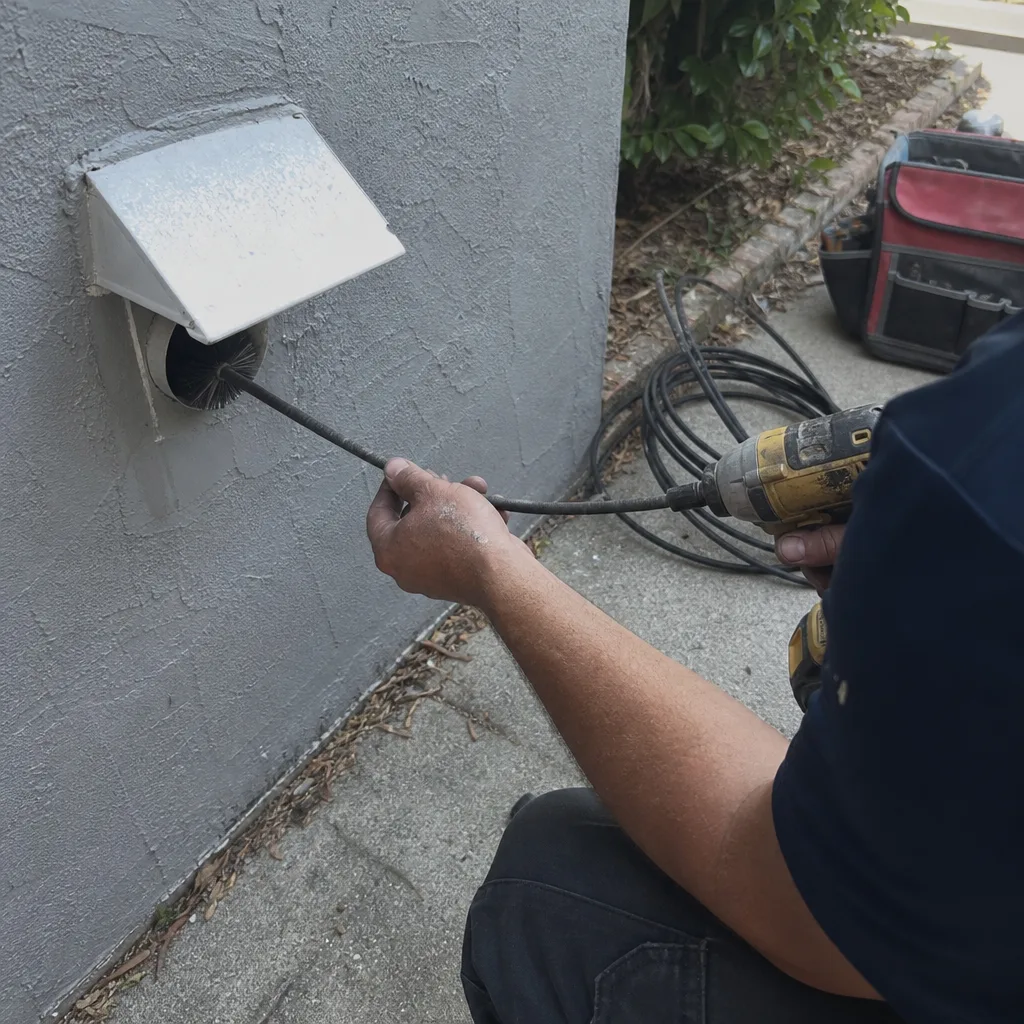
Last updated October 15, 2026
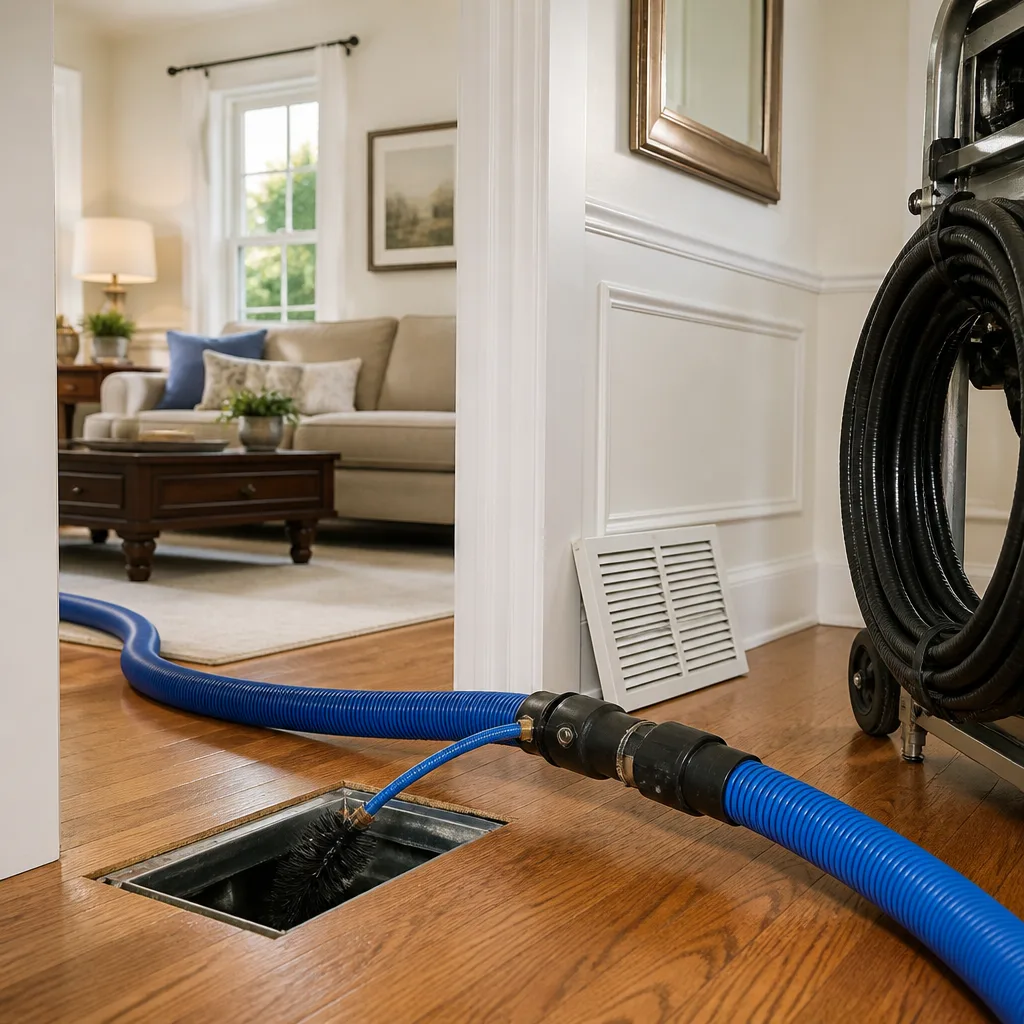 Whole-home duct cleaning
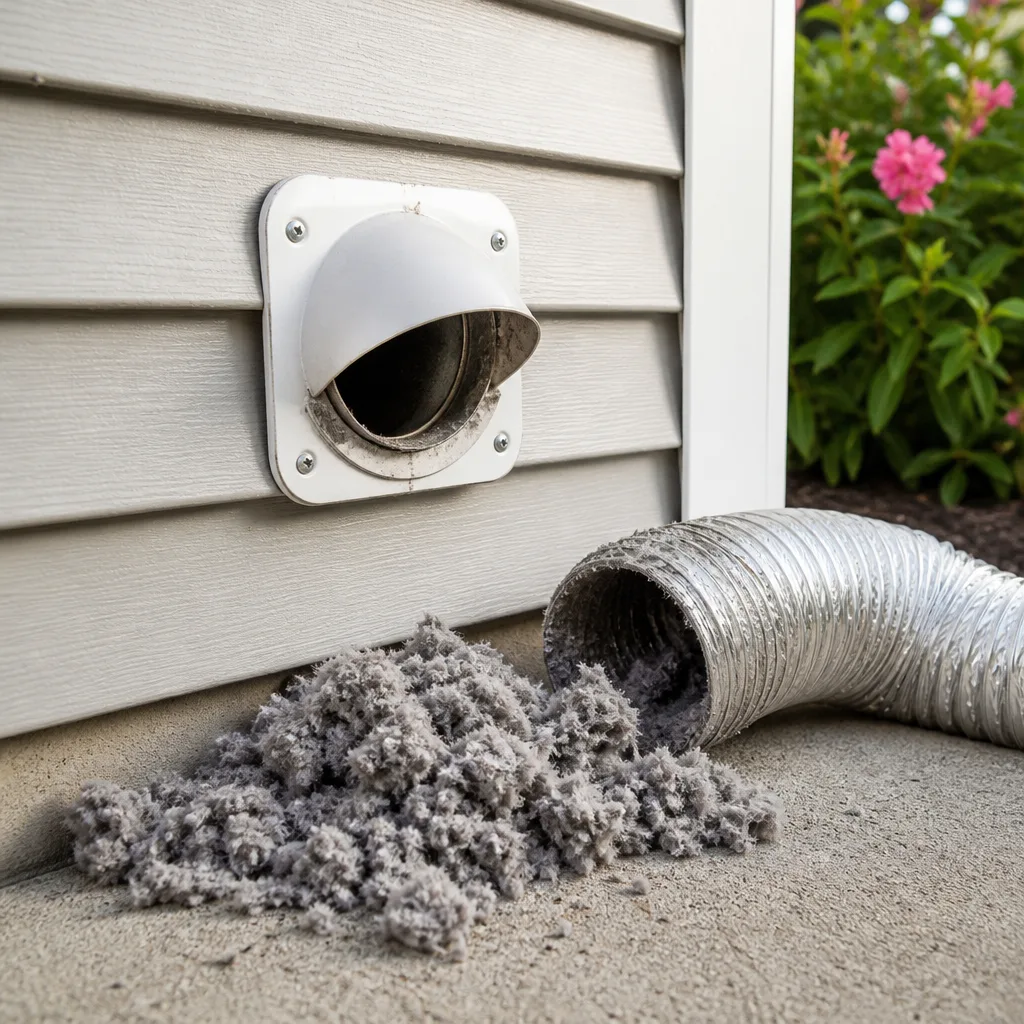 Dryer vent cleaning
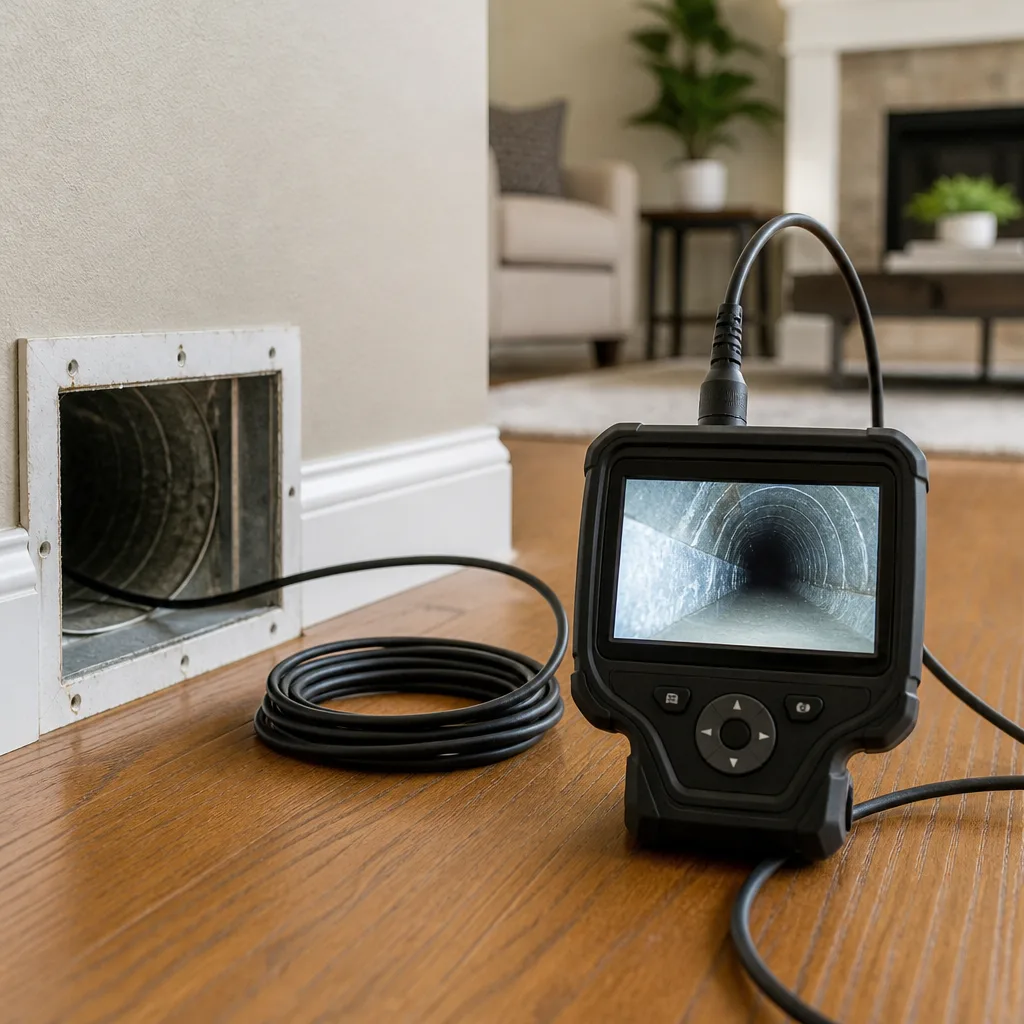 Camera inspection
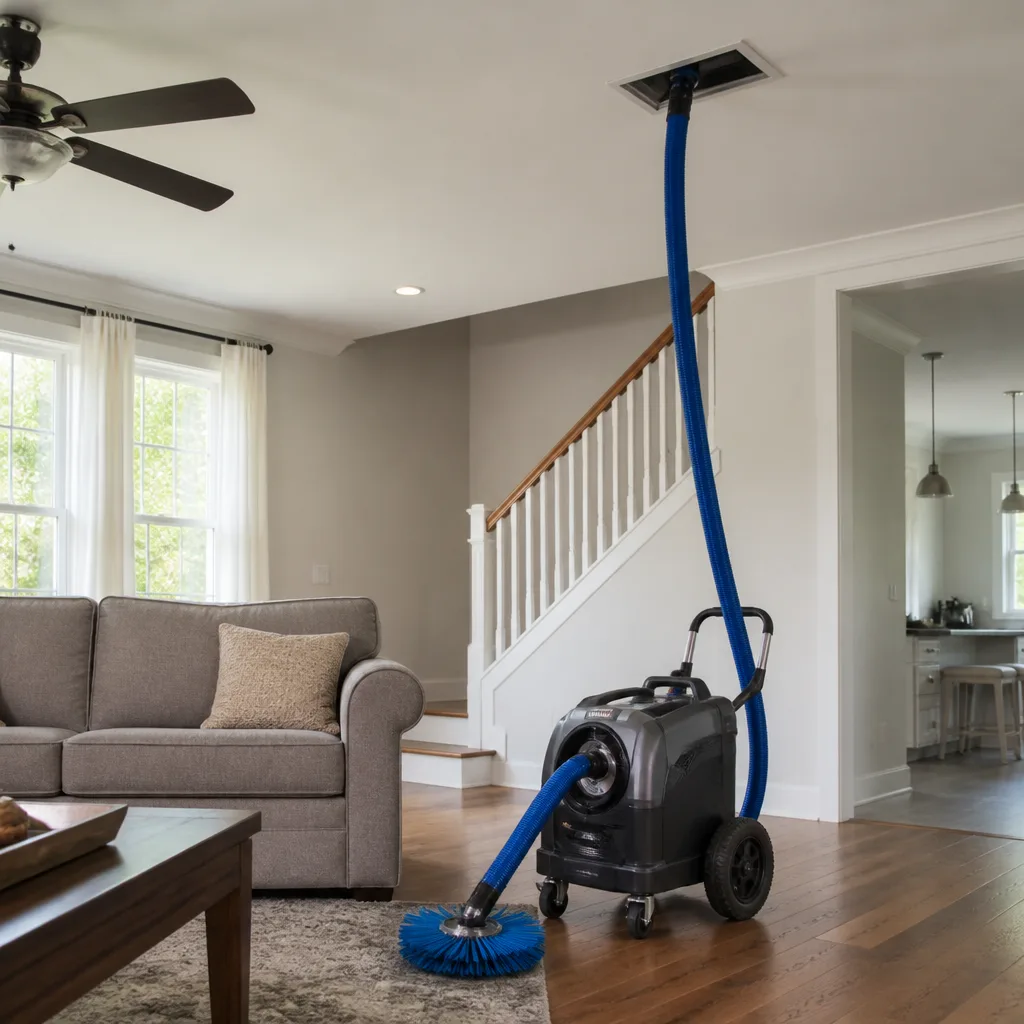 Sanitizing & deodorizing
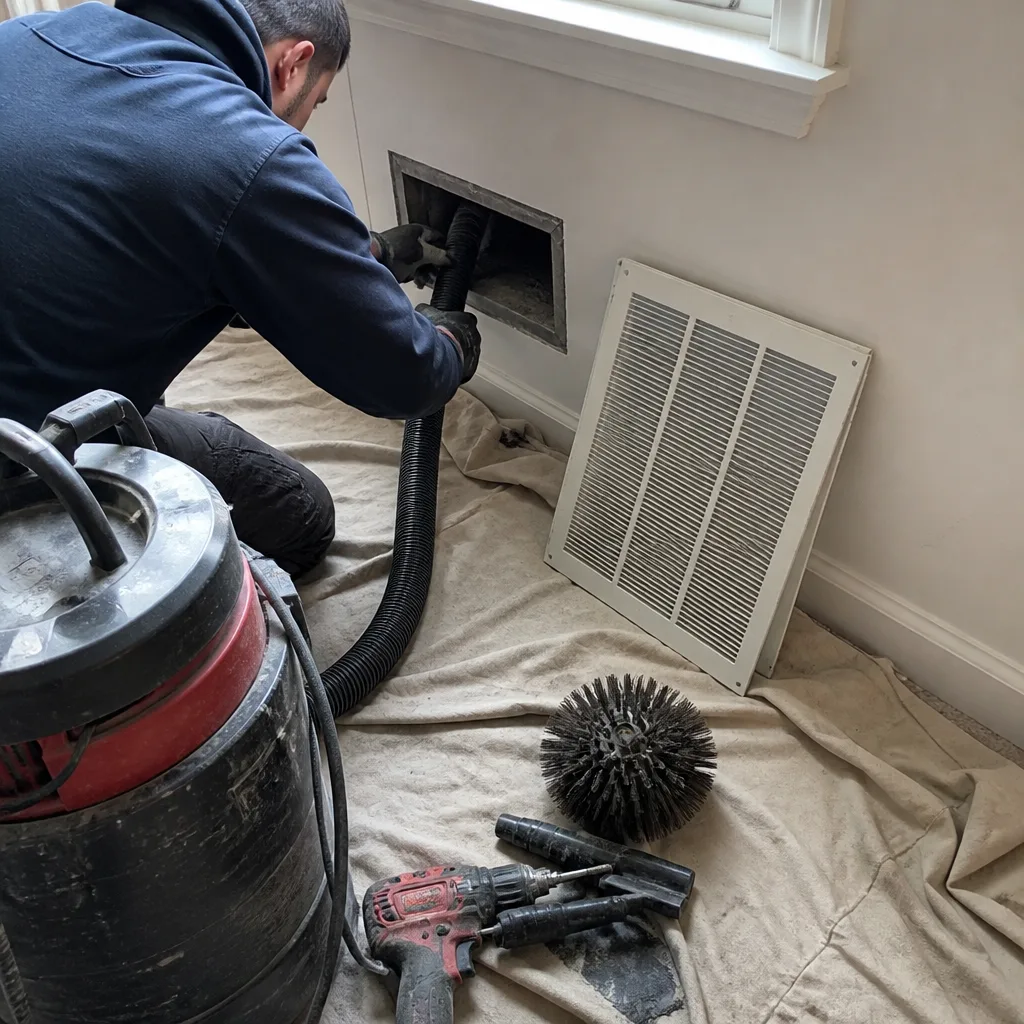
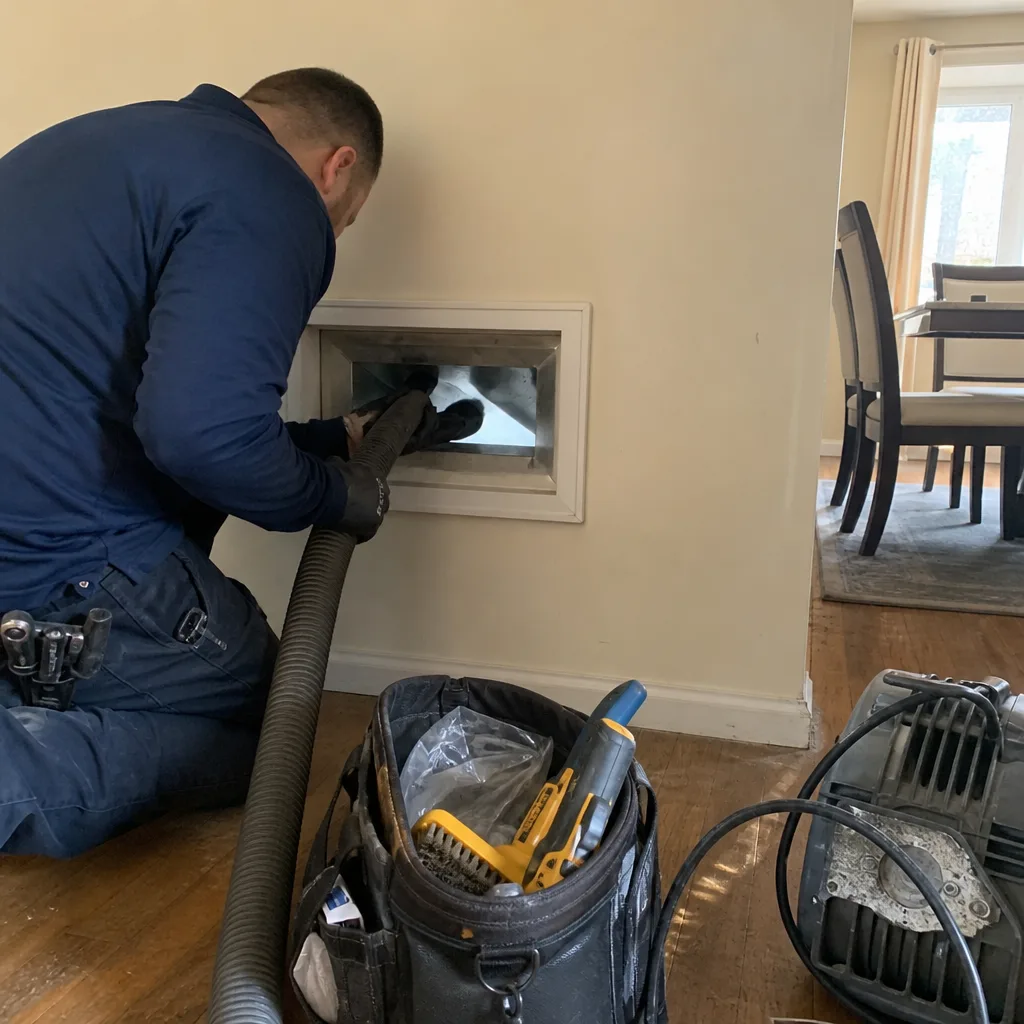
Whole-system duct and dryer vent check with before-and-after photos - you see exactly what came out of your vents
That "$99 whole-house special" is a bait ad - the real number appears once they are in your hallway, or the "clean" is a shop-vac at the register. We photograph the inside of your ducts before and after instead.
How to Hire a Air Duct Cleaning Contractor in Brooklyn: A Step-by-Step Guide
That $49 whole-house coupon in your mailbox isn’t a discount. It’s the opening move of a pricing scheme the New York Attorney General’s office has investigated multiple times over the past decade, and Brooklyn remains one of the densest markets for it. This guide walks you through exactly how to vet an Air Duct Cleaning contractor in Brooklyn before they ever ring your doorbell, what questions separate legitimate operators from bait-and-switch crews, and how to read a contract like someone who’s seen the worst version of this transaction. By the time you finish, you’ll know more about hiring an air duct cleaner than most people learn in a lifetime of homeownership.
Quick Answer
To hire an air duct cleaning contractor in Brooklyn, you should verify three things before booking: written upfront pricing for the whole system (not per-vent), proof the company owns or is certified on professional equipment like Rotobrush or Nikro, and a guarantee that’s specific about what happens if the work isn’t done right. Then confirm the contract excludes two red-flag clauses we detail below, and you’ll almost certainly end up with a legitimate specialist. Expect to pay between $450 and $900 for a full-system cleaning of a typical Brooklyn rowhouse, co-op, or apartment.
Styles & brands we work with
Table of Contents
- The Brooklyn Air Duct Cleaning Market: What You’re Actually Dealing With
- Step 1: Ask These Three Questions on the Phone
- Step 2: Understand Why Written Upfront Pricing Is the Single Strongest Trust Signal
- Step 3: Verify Equipment Claims Without Getting Snowed
- Step 4: Read the Contract Before You Sign
- Step 5: Evaluate the Guarantee Like a Contract, Not a Slogan
- What a Legitimate Brooklyn Air Duct Cleaning Should Cost
- Common Mistakes to Avoid
- When to Call a Professional
- Frequently Asked Questions
- The Bottom Line
The Brooklyn Air Duct Cleaning Market: What You’re Actually Dealing With
Brooklyn’s housing stock is older, denser, and more varied than almost anywhere else in the country. We clean ducts in prewar co-ops along Ocean Parkway, six-story walk-ups in Bed-Stuy, converted factories in Gowanus, and single-family rowhouses in Bay Ridge. Each building type has different duct anatomy, different access points, and different histories of renovation. But the market that serves them all shares one uncomfortable truth: air duct cleaning has no state licensing requirement in New York. Anyone with a van, a shop vac, and a printed flyer can call themselves a duct cleaner. That reality is exactly why the New York Attorney General has repeatedly pursued bait-and-switch duct cleaning operations. It’s also why the questions you ask before hiring matter more than the answers you get after the work is done.
What we’ve seen in Brooklyn over the years tracks a consistent pattern. A company quotes a low per-vent price or a flat promotional figure sight unseen. The crew arrives, peers into one return register, and announces the system needs mold remediation, sanitizing, or a “deluxe package” to actually get clean. The final invoice lands at three to six times the quoted number. The homeowner pays because the crew is standing in their living room and the alternative is awkward. That sequence isn’t a fluke. It’s a business model. The antidote isn’t skepticism for its own sake. It’s a specific set of questions, asked in a specific order, before you book.
For a deeper look at what a proper cleaning actually involves, start with our guide to air duct cleaning in Brooklyn.
Step 1: Ask These Three Questions on the Phone
The first phone call tells you more than any website ever will. Before you ask about price, before you ask about availability, ask these three questions in this order. The legitimate answers are specific. The wrong answers are evasive in ways you’ll learn to recognize immediately.
Question 1: “What’s your total price for cleaning my entire system, and will you put it in writing before you start?”
A legitimate contractor answers with a range based on the size of your home, the number of systems, and the scope of work. They’ll tell you the variables that affect price: number of furnaces or air handlers, accessibility of the ductwork, whether you have a single return or multiple returns. They will not quote a per-vent price, because per-vent pricing is the bait-and-switch operator’s favorite tool. A per-vent price like “$12 per vent” sounds precise but is actually a blank check, because nobody agrees upfront on what counts as a vent. Supply registers, return grilles, bathroom exhaust fans, the main trunk line: the definition expands once the crew is inside. The wrong answer sounds like “We can’t know until we see it,” which is true of the final number but false of the estimate. Any professional can give a written price range based on square footage and system count.
Question 2: “What equipment do you use, and can you show me it’s actually professional-grade?”
The right answer names specific brands and describes how the equipment works: negative air pressure machines, HEPA-filtered vacuums, rotary brush systems, compressed air whips. Rotobrush and Nikro are the two most recognizable names in professional duct cleaning equipment. A legitimate operator owns this equipment or is certified on it through the manufacturer’s training program. The wrong answer is vague: “We have all the tools we need.” That means a shop vac and a drill attachment. Ask directly: “Do you use Rotobrush or Nikro equipment?” If they hesitate, that hesitation is information.
Question 3: “What exactly does your guarantee cover, and what happens if I’m not satisfied?”
The right answer is specific and mechanical: “If anything isn’t done right within 365 days, we come back and fix it at no charge. That’s in writing on every invoice.” A vague answer is “We guarantee your satisfaction,” which means nothing because it binds no one to any action. A guarantee with a time period, a defined remedy, and a written trail is a contract. A guarantee without those things is a slogan. At Morton’s, that specific answer is the 365-Day Done Right Promise, and it’s stamped on every job we do in Brooklyn, not offered as an afterthought when someone calls to complain.
Step 2: Understand Why Written Upfront Pricing Is the Single Strongest Trust Signal
Written upfront pricing is not a courtesy. It is the structural difference between a service company and a sales operation. When a contractor writes down a price before starting work, they’re making a commitment they can be held to. When they refuse, they’re preserving the option to change the number once you’re psychologically invested. In Brooklyn specifically, where many homeowners live in co-ops and condos with strict alteration agreements and board oversight, a written price also gives you documentation for your building management and your insurance. It protects more than your wallet. It protects your standing with your building.
A written price should include: the total dollar amount for the entire system, the specific services covered (cleaning of supply ducts, return ducts, the air handler, the blower motor if applicable), the time the crew expects to spend, and any exclusions stated in plain language. If the contractor won’t provide this before arriving, or if they hand you a blank scope of work and promise to “fill it in on site,” that’s your cue to end the call politely and dial the next number. We provide a written price before any work starts on every single Brooklyn job, no exceptions. It’s the part of the Cedarwell Care Promise we’ve honored since 2005, and it’s the part our customers tell us mattered most when they chose us over the coupon mailer.
Step 3: Verify Equipment Claims Without Getting Snowed
Since 2005, Morton’s Air Duct Cleaning has been part of the Cedarwell family, and in that time we’ve watched the equipment conversation change. Ten years ago, most homeowners had never heard of Rotobrush. Today, every website in the industry name-drops it, because copycat marketers figured out that naming professional brands makes them look professional. Name-dropping costs nothing. Owning the equipment costs tens of thousands of dollars. Certification through the manufacturer’s training program costs time and ongoing renewal. There are a few ways to tell the difference.
First, ask whether the technicians are trained and certified on the specific equipment brand they’ll use. Rotobrush and Nikro both maintain technician certification programs, and a legitimate company will say so directly. Second, ask what happens if the machine breaks down mid-job. A company that owns its equipment has a backup plan. A company renting gear for the day does not. Third, ask about the filtration on their vacuum system. Professional negative air machines use HEPA filtration to trap the particles they extract. That’s true of the Rotobrush and Nikro systems we run. It’s also true of the supplementary equipment we use from brands like Honeywell, Aprilaire, and Abatement Technologies, which come into play for air quality testing and sanitizing applications where appropriate. A company running a shop vac uses whatever filter came in the box. The difference shows up in the air quality of your home for days after the cleaning.
Step 4: Read the Contract Before You Sign
If you’ve made it this far with a company, you’re in the top tier of candidates. Now the contract arrives, and this is where half of homeowners skip the step that actually protects them. Read it. All of it. Then look for two clauses that should make you walk away immediately.
The first is any clause that permits the final price to exceed the estimate without your written approval. Language like “actual charges may vary based on site conditions” is a wide-open door. A legitimate contract states plainly that no additional charges will be applied without your signature on a change order. If that language isn’t in the contract, ask for it to be added. If the company refuses, walk.
The second is any clause that limits your ability to hold the company accountable for incomplete work. A guarantee that lasts 30 days on a job that doesn’t have visible results for weeks is no guarantee at all. Look for a defined remedy period: 90 days, 180 days, 365 days. The longer and more specific the period, the more the company believes in its own work. Beyond those two clauses, your contract should list the specific services, the total price, the payment terms, the names of the technicians scheduled, and the date and time window for service. A contract missing any of these elements is a pamphlet, not a contract.
See the difference
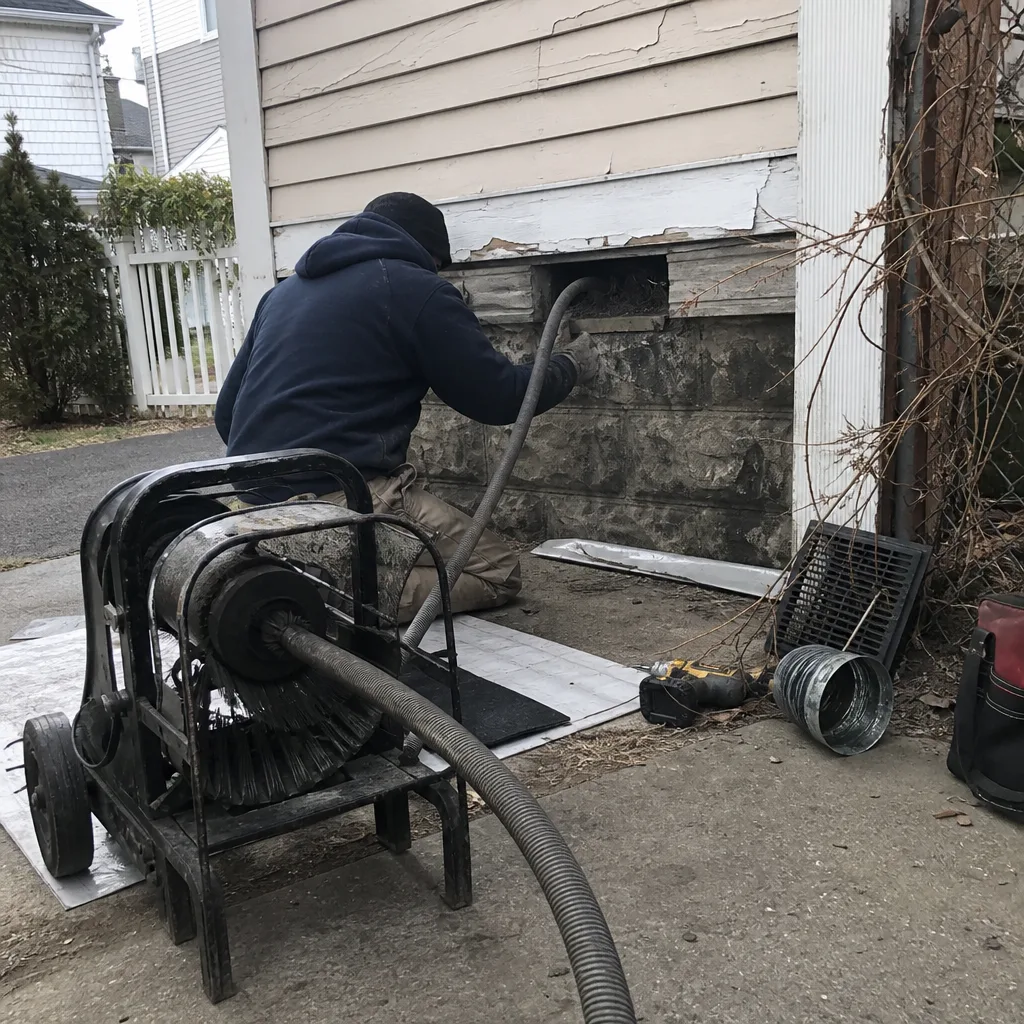 Before
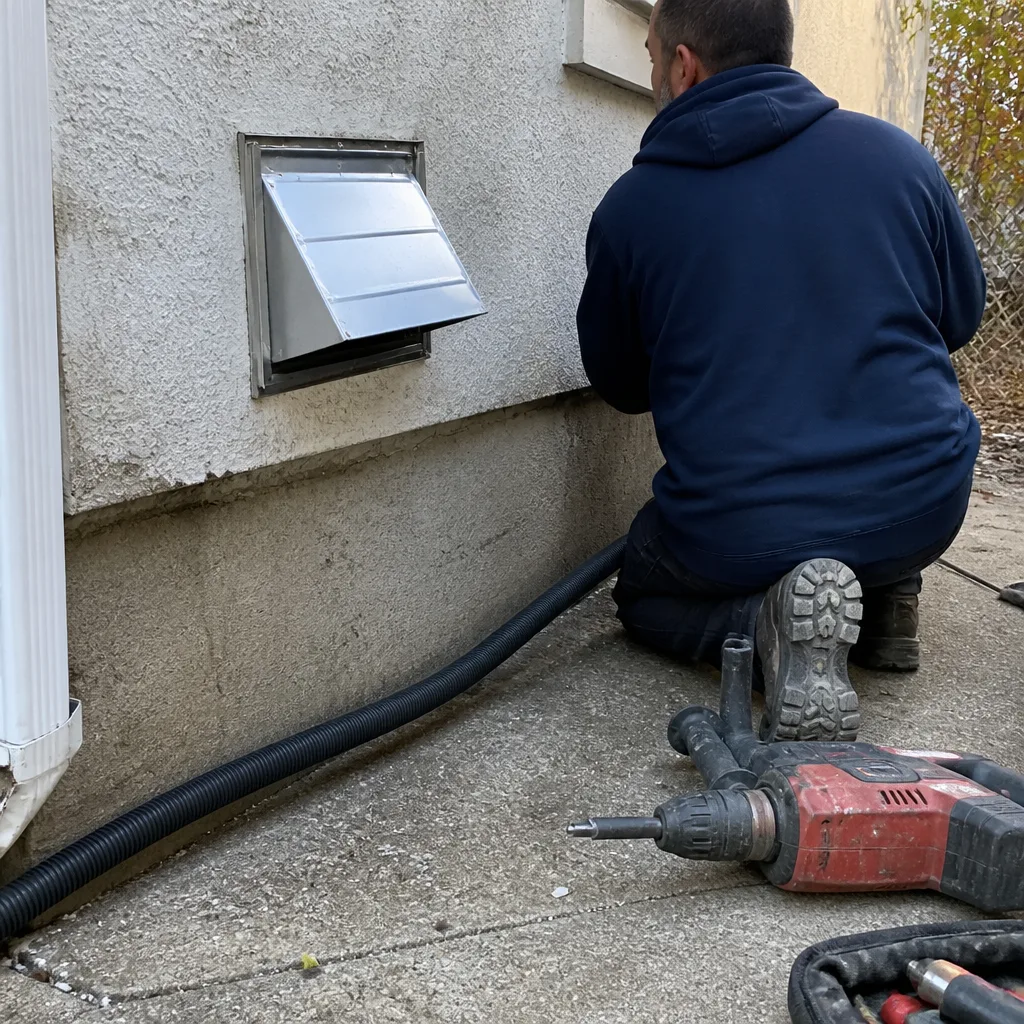 After
After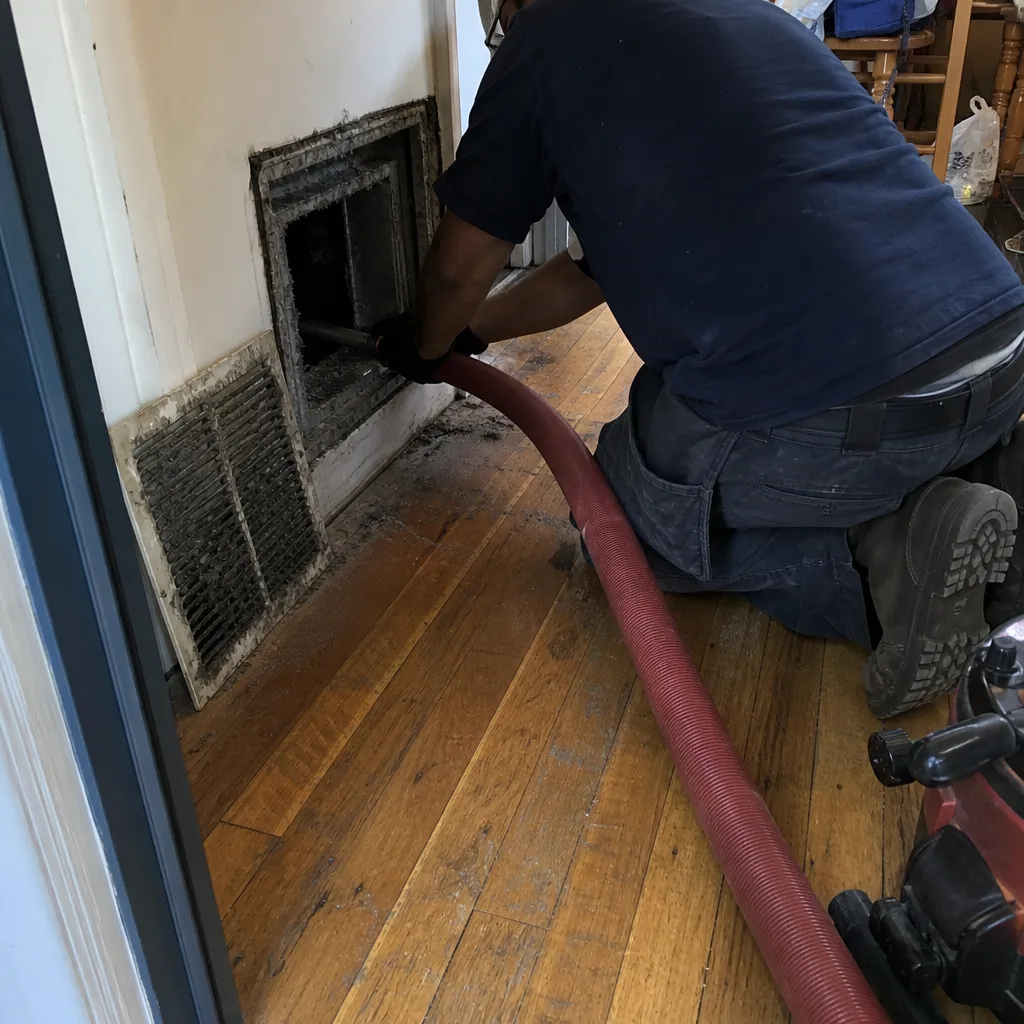 Before
 After
After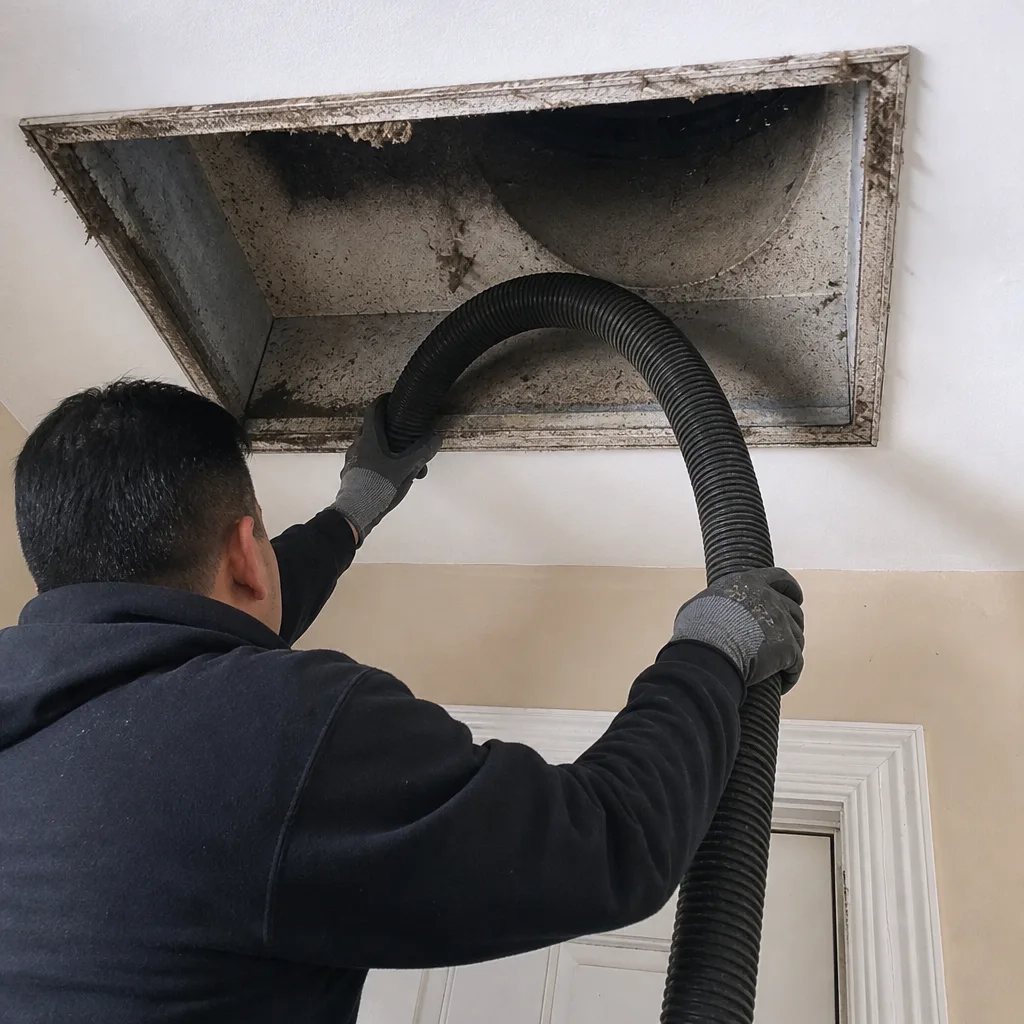 Before
 After
AfterStep 5: Evaluate the Guarantee Like a Contract, Not a Slogan
Most satisfaction guarantees are written by people with no authority to honor them. “We guarantee you’ll be happy” means the company will decide whether you’re happy, and they’ll decide what to do about it if you’re not. A real guarantee defines the outcome, the remedy, and the time window. Our 365-Day Done Right Promise exists because Paul Adeyemi, who’s owned Morton’s since the beginning, grew tired of an industry where guarantees were decorative. So we wrote one that binds us: if the job isn’t right, we make it right, for a full year, with no argument about whether “right” means what you think it means. That promise rides on every invoice we generate in Brooklyn, on every quote we write, on every contract we sign.
When you’re evaluating another company’s guarantee, apply the same test. Ask: what specific outcome triggers the guarantee? What specific action does the company commit to taking? What time period does the commitment cover? A guarantee that can’t answer those three questions isn’t a guarantee. It’s customer service rhetoric. The contractors who offer the loosest guarantees are usually the ones who most need to be held to one, and the ones with the clearest written promises are usually the ones whose work speaks for itself. In our experience across Brooklyn’s co-ops, condos, and private homes, the guarantee is the single fastest way to sort serious operators from coupon crews.
What a Legitimate Brooklyn Air Duct Cleaning Should Cost
Brooklyn pricing reflects the borough’s housing density and building age. A legitimate full-system cleaning in Brooklyn typically runs between $450 and $900, depending on the size of the home and the number of systems. Here’s how that breaks down across the housing types we work in most often-see our Air Duct Cleaning Cost Breakdown: The Brooklyn Homeowner’s Reference for 2026 for deeper detail:
| Brooklyn Home Type | Typical System Size | Expected Price Range |
|---|---|---|
| 1-bedroom rental or co-op unit | 1 system, 6-10 vents | $400-$500 |
| 2-3 bedroom apartment or condo | 1 system, 10-16 vents | $500-$700 |
| Rowhouse or brownstone (single-family) | 1-2 systems, 16-24 vents | $650-$900 |
| Large brownstone or multi-floor owner-occupied | 2 systems, 24+ vents | $850-$1,100 |
These are whole-system prices, not per-vent prices. Any company quoting below $300 for a full Brooklyn system is either subsidizing the quote with upsell pressure later, or planning to do a fraction of the job. Any company quoting per-vent should be avoided. The honest range is not a mystery, and the crews who pretend otherwise are structuring their pricing to confuse you. If you’d like a written price for your specific building, call us at (607) 536-9605 and we’ll build a quote based on square footage, system count, and access, with the number in writing before anyone arrives.
Common Mistakes to Avoid
- Booking based on a coupon without asking follow-up questions. The coupon is designed to get a crew into your home. The upsell happens after they arrive. Ask for the total system price in writing before you book.
- Assuming the lowest quote is the honest one. In Brooklyn’s duct cleaning market, a quote below $350 almost always means either a partial cleaning or a pressure sale on arrival. The legitimate range exists for a reason.
- Not asking who will actually show up. Subcontracting is common in this industry. Ask whether the technicians are employees of the company you’re hiring, background-checked, and uniformed. At Morton’s, every technician is an employee, not a subcontractor, and arrives in uniform with shoe covers and drop cloths as standard.
- Signing a contract with open-ended pricing language. If the contract says charges can vary based on “site conditions,” assume they will. Require written approval for any change order before work continues.
- Skipping the guarantee review because the price feels right. A low price with a meaningless guarantee is a high price in disguise. Read the guarantee before you sign.
- Assuming all equipment is the same. A shop vac and a Rotobrush negative air machine are not the same thing. Ask what equipment they use, and confirm the technicians are trained on it.
When to Call a Professional
If you’ve noticed dust accumulating on surfaces within days of cleaning, visible debris around your supply registers, a musty smell when the system cycles on, or if someone in your home has allergies that worsen during heating and cooling season, it’s time to call a professional. If you’ve just completed a renovation, especially in an older Brooklyn building with plaster dust everywhere, you should have your ducts cleaned before running the system again. And if you’ve never had your ducts cleaned in a home you’ve owned for years, there’s no harm in an assessment. Mortons Air Duct Brooklyn offers free estimates in Brooklyn. Call (607) 536-9605 and a live person answers, not a voicemail, not a chatbot. We’ll tell you honestly whether your system needs cleaning and what it should cost, in writing.
Frequently Asked Questions
A legitimate full-system air duct cleaning in Brooklyn typically costs between $450 and $900, depending on the size of the home, the number of HVAC systems, and the accessibility of the ductwork. Beware of per-vent pricing or whole-house coupons under $300, both of which are structured to create upsell pressure once the crew is inside. For an exact written quote for your building, call (607) 536-9605.
Cheap quotes in Brooklyn’s duct cleaning market usually mean one of three things: the company will do a partial job (cleaning only the first few feet of accessible ductwork), the company plans to upsell you on sanitizing or mold remediation once the crew arrives, or the company is using entry-level equipment that can’t actually extract the debris from a full system. A legitimate operator owns professional equipment and prices the whole job honestly, which is why the honest range starts around $450. Call (607) 536-9605 for a written estimate with no surprise charges.
A trustworthy contractor provides visual proof. At Morton’s, every completed job includes a photo of the clean-up before the crew leaves, so you can see the work was done and the space was left better than they found it. Before you hire, ask the company what proof they provide that the cleaning happened and that the home was protected during the work. If they don’t have an answer, that’s an answer.
For most Brooklyn homes, every 3 to 5 years is appropriate, though buildings with pets, recent renovations, or occupants with allergies may benefit from more frequent cleaning. Older prewar buildings with decades of accumulated dust may need a first cleaning followed by a shorter interval before settling into a routine. See our Seasonal Air Duct Cleaning Care for Brooklyn: Year-Round Homeowner’s Guide for timing tips by season. The honest answer is that no home needs quarterly duct cleaning, and any company pushing that schedule is selling something other than clean ducts.
Yes, when done by a professional who plans for it. At Morton’s, every crew works to the Cedarwell C.A.R.E. values, which means shoe covers and drop cloths on every visit, quieter tools during nap hours, and pet-safe product choices where available. If you have children or pets, tell the company before they arrive and ask what they’ll do to protect floors, furniture, and the air your family breathes during the job.
A 365-day guarantee names a specific time period during which the company must return and fix the work if it wasn’t done right. A satisfaction pledge is a vague statement that doesn’t commit the company to any specific action. Morton’s 365-Day Done Right Promise is stamped on every job: if the work isn’t right within a full year, we make it right. That’s a contract. “We guarantee your satisfaction” is a slogan.
The Bottom Line
Hiring an air duct cleaning contractor in Brooklyn doesn’t need to feel like gambling. The legitimate companies in this borough share visible traits: written upfront pricing for the whole system, professional equipment from brands like Rotobrush and Nikro, technicians who are background-checked and uniformed, and guarantees with specific time periods and remedies. The bait-and-switch operations share their own traits: per-vent pricing, vague equipment claims, open-ended contracts, and guarantees that promise everything and commit nothing. Ask the three questions. Read the contract. Check the guarantee. For more guides & resources, visit our blog. And if you’d like to skip the vetting and talk to a Brooklyn company that’s been doing this since 2005, call Mortons Air Duct Brooklyn at (607) 536-9605. We’ll give you a written price before any work starts, and a live person will answer the phone.
Written by Paul Adeyemi, Owner at Mortons Air Duct Brooklyn, serving Brooklyn since 2005.