
Last updated October 15, 2026
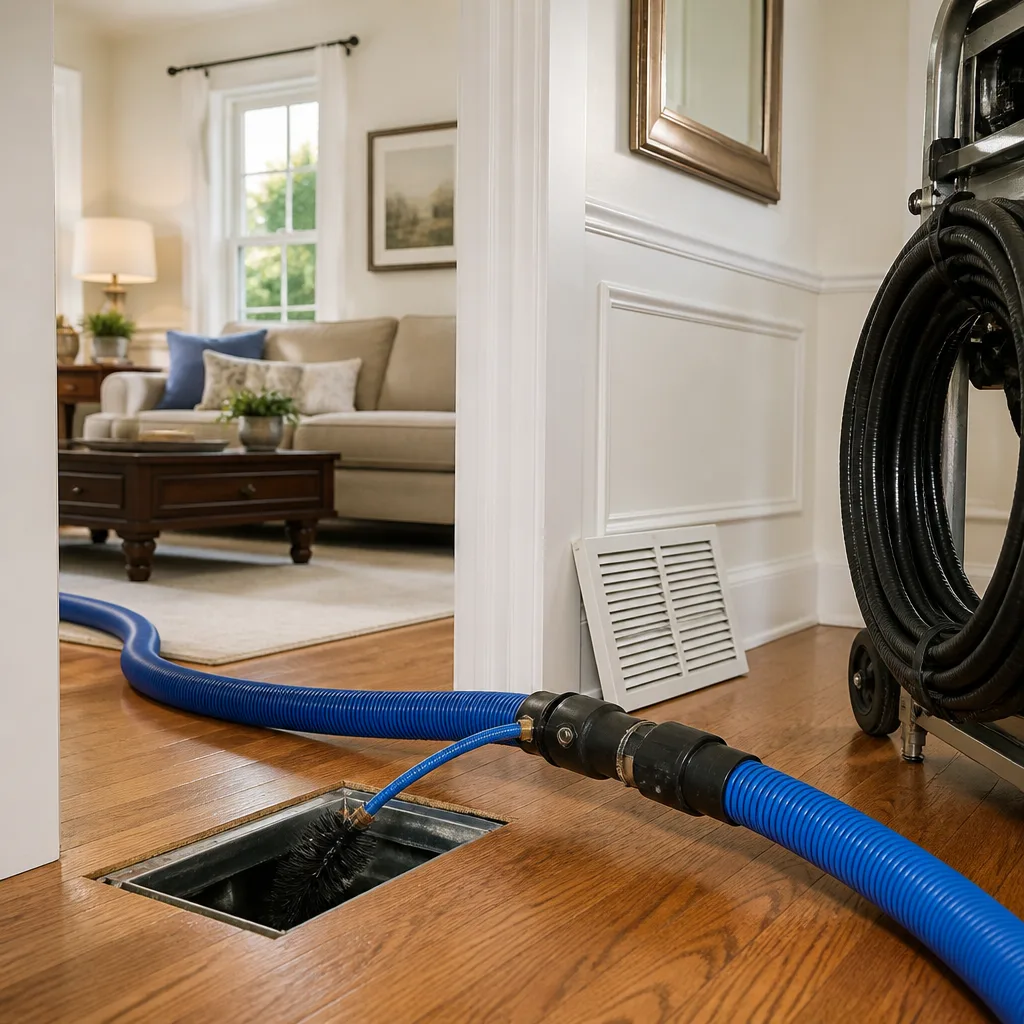 Whole-home duct cleaning
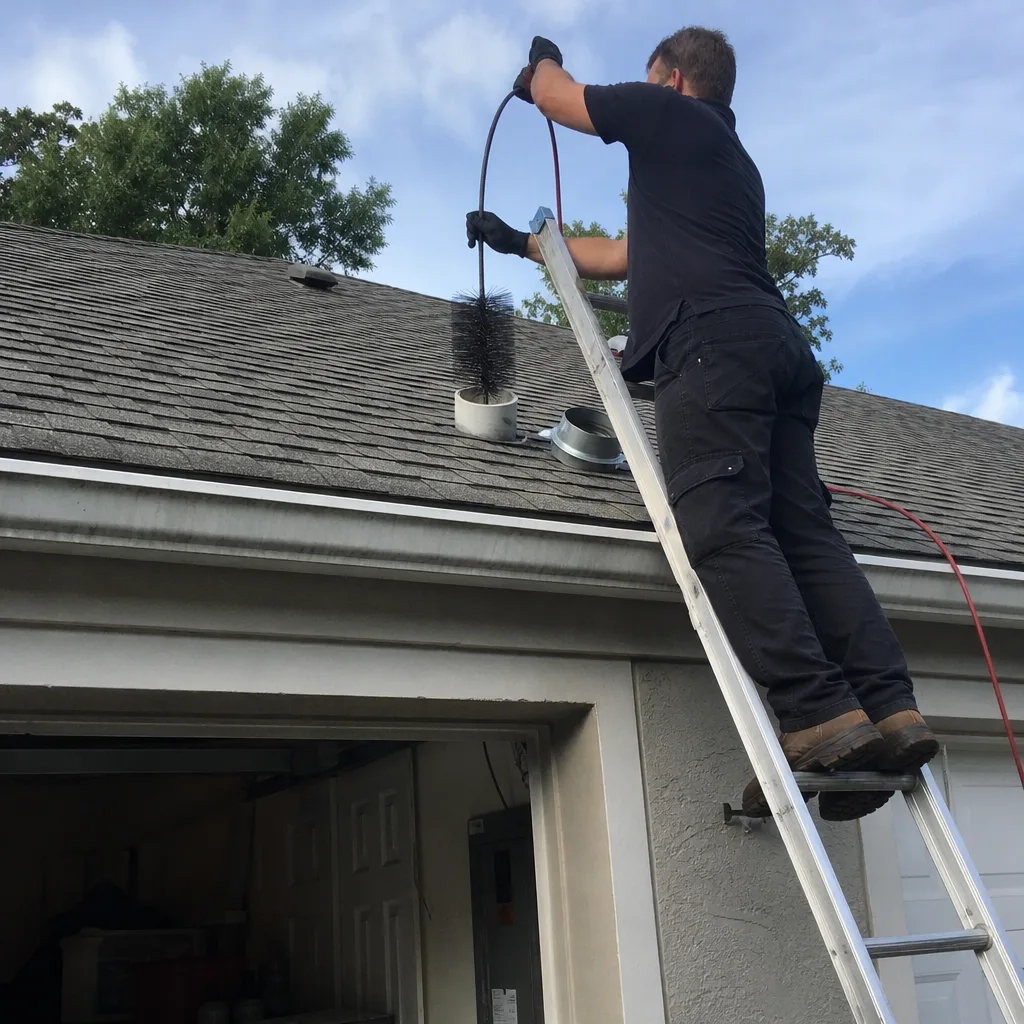
 Dryer vent cleaning
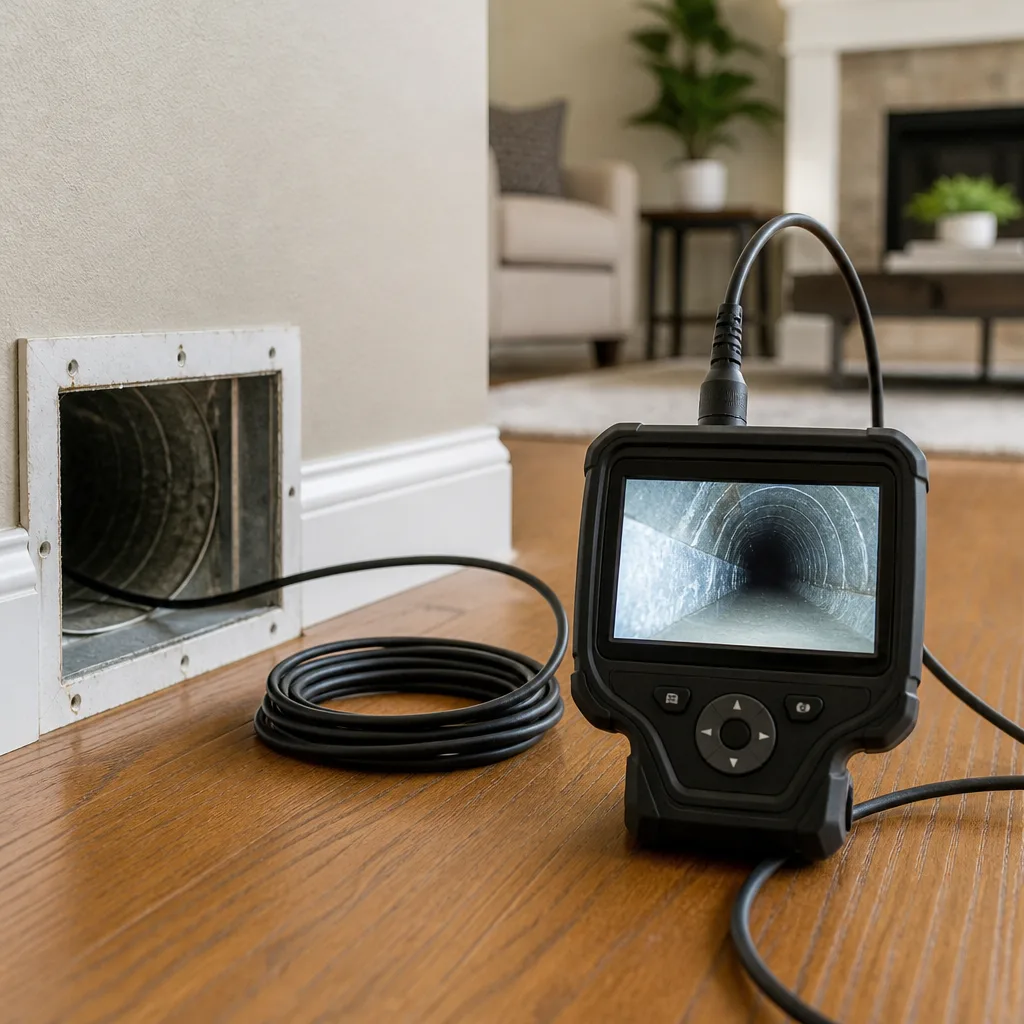 Camera inspection
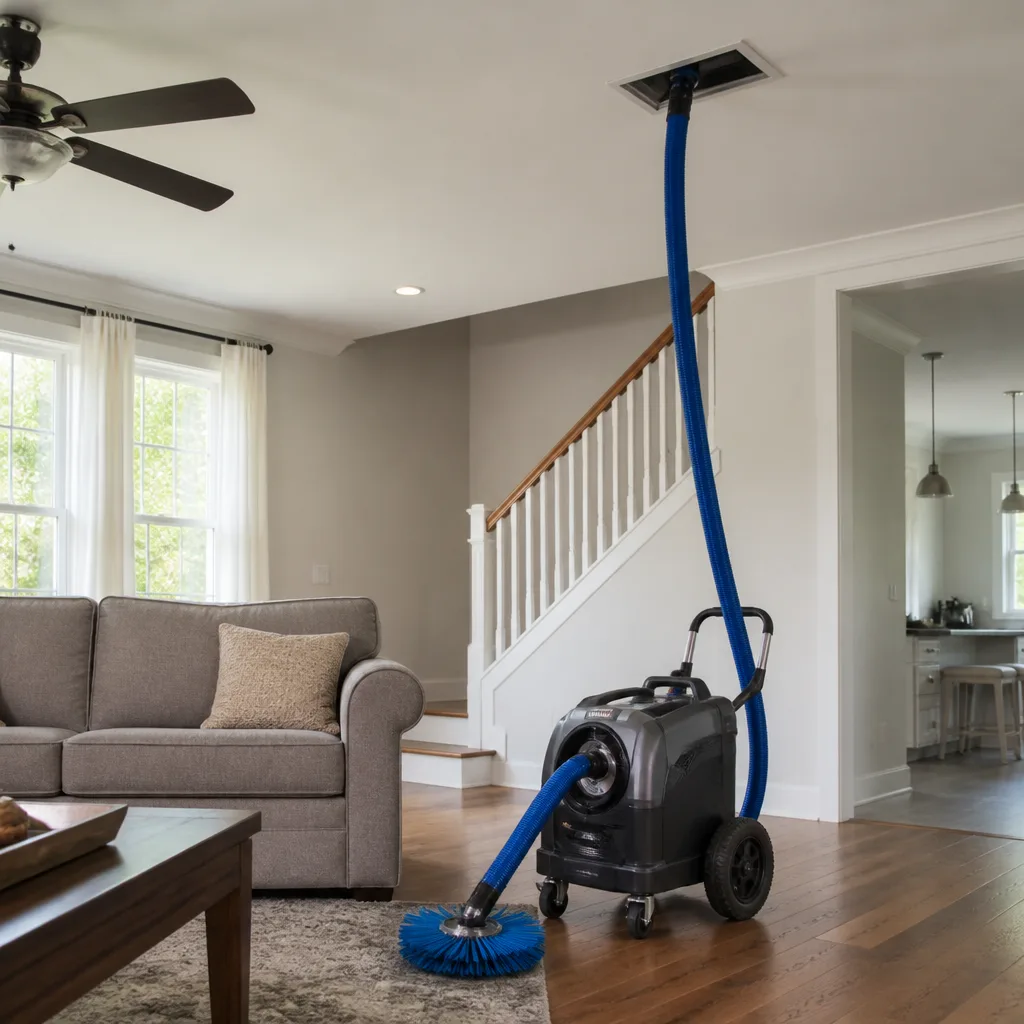 Sanitizing & deodorizing
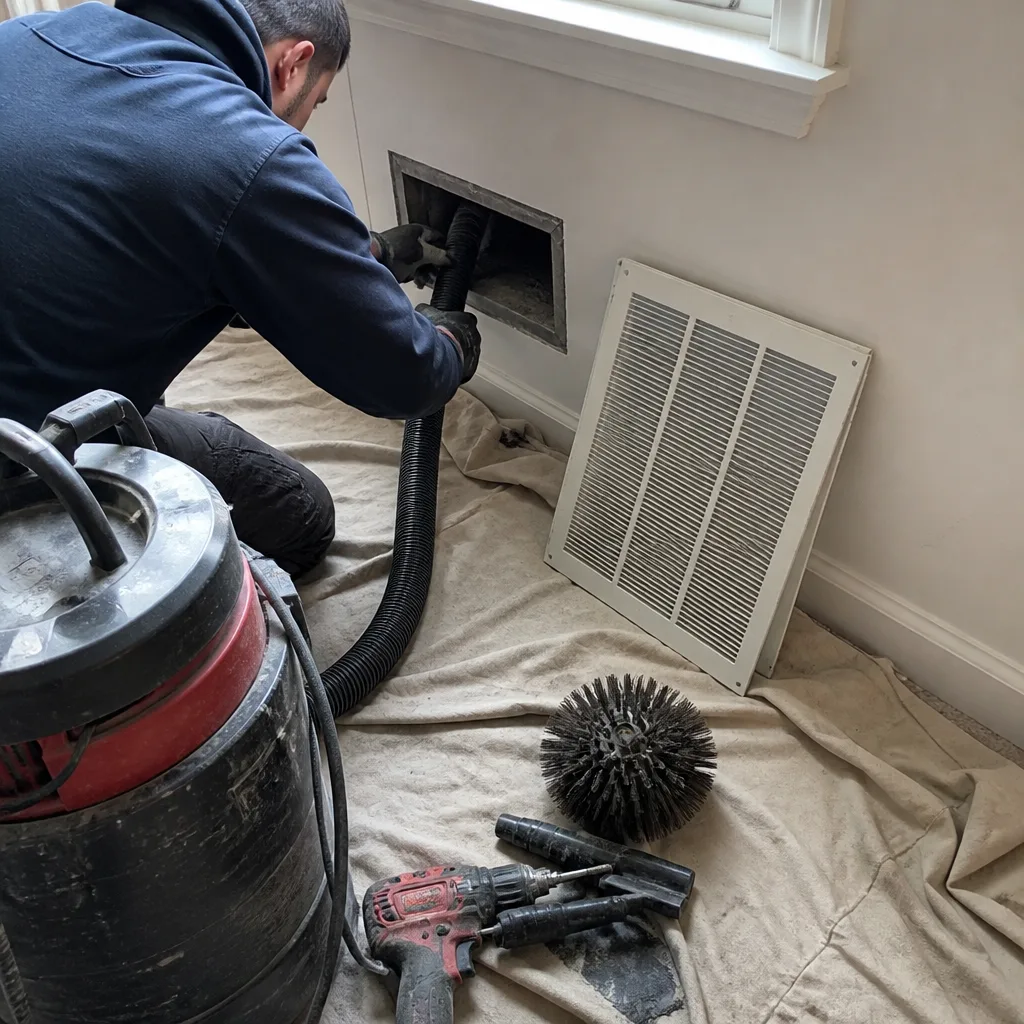
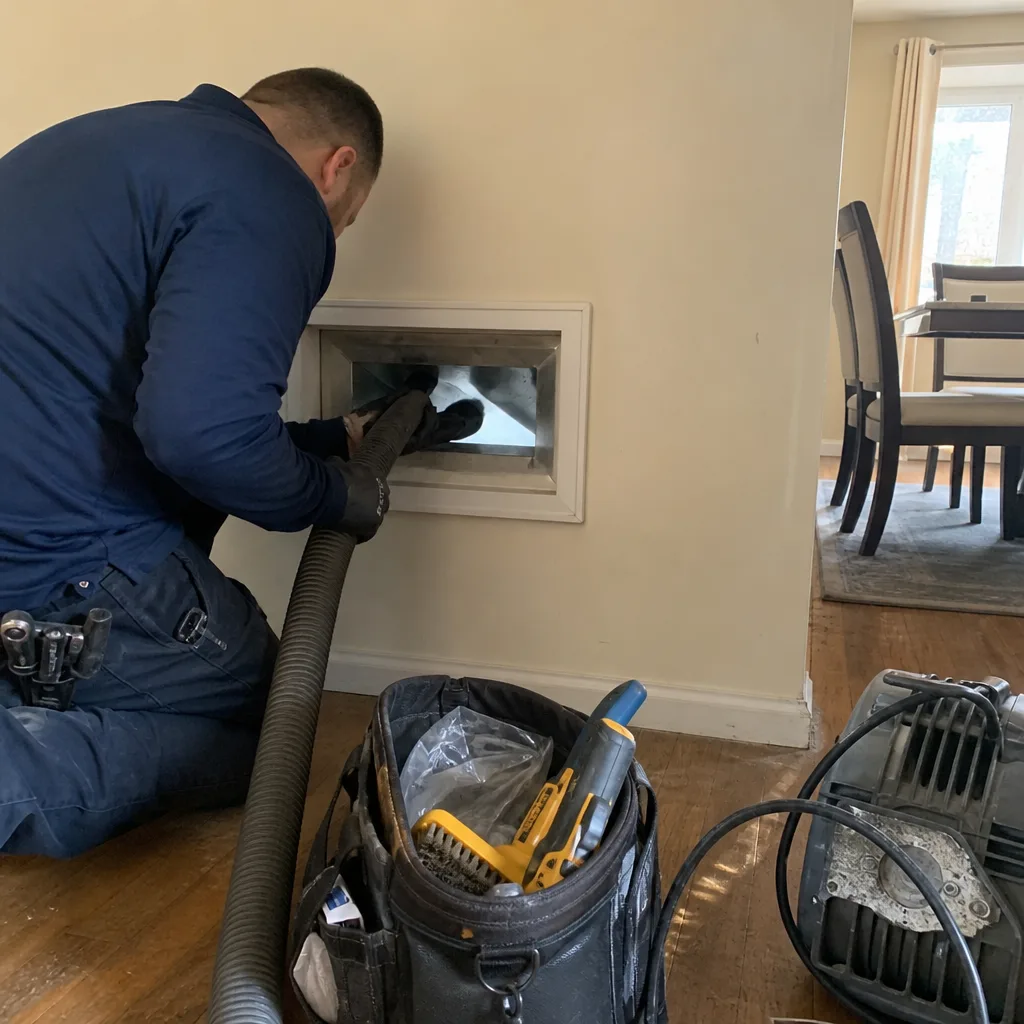
Whole-system duct and dryer vent check with before-and-after photos - you see exactly what came out of your vents
That "$99 whole-house special" is a bait ad - the real number appears once they are in your hallway, or the "clean" is a shop-vac at the register. We photograph the inside of your ducts before and after instead.
Seasonal Air Duct Cleaning Care for Brooklyn: Year-Round Homeowner’s Guide
Spring cleaning is the wrong time to schedule an air duct cleaning in Brooklyn. The right time is two weeks before you turn on central air for the first time, and most people are already past it by the time they call. If you wait until the first hot week of June, you’re blowing three months of accumulated spring pollen, construction dust, and winter pet dander through every room in your apartment or brownstone at exactly the moment you seal the windows shut. This guide will walk you through the four distinct duct-stress seasons in Brooklyn, explain when to schedule our Air Duct Cleaning services, and show you what you can safely manage yourself between visits.
Quick Answer
Brooklyn homeowners should think of air duct care as a four-season cycle, not a single annual task. The optimal professional cleaning windows are mid-to-late April (before cooling season) and mid-to-late September (before heating season), with light homeowner maintenance in between. Families with infants or allergy sufferers should add a third professional visit in mid-summer or mid-winter depending on which system runs hardest.
Styles & brands we work with
Table of Contents
- Why Brooklyn Is Seasonally Different From the Suburbs
- Spring: Pollen and the Pre-Cooling Clean
- Summer: Humidity, Mold Risk, and the A/C Hamster Wheel
- Fall: Renovation Dust and the Pre-Heating Window
- Winter: Pet Dander and the Tight-House Problem
- Why Families With Infants Need a Tighter Schedule
- A Printable Brooklyn Annual Duct Care Calendar
- What a Professional Clean Actually Involves
Why Brooklyn Is Seasonally Different From the Suburbs
Ductwork in Brooklyn behaves differently than ductwork in, say, Westchester or Nassau County. The reasons come down to building age, density, and the way heat moves through attached housing.
Most Brooklyn homes are either pre-war buildings with radiators retrofitted to accommodate central air, or newer condo conversions where ductwork runs through shared walls and tight chases. A brownstone on a tree-lined block in Park Slope has a very different duct profile than a high-rise unit in Williamsburg, but both share one thing in common: the ducts are rarely oversized, and they run close to exterior walls. That means seasonal temperature swings hit them directly.
We’ve cleaned ducts in Carroll Gardens apartments where the return plenum sits directly against a brick party wall that bakes in August and freezes in February. Condensation forms inside that plenum during shoulder seasons, and whatever is already in the ductwork, dust, pet hair, pollen, gets damp and sticks. Once it sticks, it becomes a substrate for mold and bacteria growth. A suburban house with ducts running through an insulated attic or basement simply doesn’t have this problem to the same degree.
Brooklyn also has more renovation activity per square block than anywhere else in the country. At any given time, there’s a gut renovation happening within two hundred feet of your front door. That produces fine gypsum and plaster dust that gets pulled into HVAC intakes, especially in buildings with corridor pressurization or window-mounted air intakes. If you live within a block of an active construction site, which is most of Brooklyn, your ducts are being fed a steady diet of silica and drywall particulate year-round, but most intensely between April and October.
Add to that the pollen load. Brooklyn has more London plane trees per capita than almost any city in North America, chosen precisely because they tolerate poor soil and pollution. They also produce an enormous, if invisible, spring pollen bloom that coats windowsills, fire escapes, and the inside of your ductwork if windows have been open through April.
All of this means that timing a professional duct cleaning around the seasons isn’t vanity, it’s strategy. You’re removing what each specific season has put into the system before the next season’s stressor arrives.
Key Takeaways:
- Brooklyn ductwork runs close to exterior walls and shared party walls, making it more sensitive to temperature and humidity swings than suburban ductwork.
- Nearby construction and London plane tree pollen mean Brooklyn ducts accumulate particulate faster than rural or suburban systems.
- Seasonal timing is about removing what one season deposited before the next season’s stressor compounds it.
If you’re looking for a fuller picture of what a professional cleaning covers, our Air Duct Cleaning in Brooklyn page walks through the equipment and process step by step.
Spring: Pollen and the Pre-Cooling Clean
In Brooklyn, spring pollen isn’t an abstract idea. It’s a greenish-yellow film on every horizontal surface from late March through mid-May. London plane trees release their first pollen burst in April. Oak and birch pollen peak in early May. Grass pollen takes over in late May and early June. If your windows have been open through any of this, and they have been, because Brooklyn apartments get stuffy fast, then that pollen has already entered the return registers and settled inside the ductwork.
The mistake most people make is waiting until the first heat wave to turn on central air, then calling a duct cleaner in July when the system is already running daily and blowing allergy triggers into every room. By that point, the spring pollen is already airborne in your living space. The better approach is to schedule a professional clean in mid-to-late April, before the cooling season begins. You want the system to be clean on the day you first switch the thermostat from heat to cool.
What spring specifically deposits in Brooklyn ducts:
- Tree and grass pollen: London plane, oak, birch, and maple pollen all peak between late March and late May. Pollen grains are small enough to pass through the filter and accumulate in the supply side of the ductwork.
- Construction dust: Brooklyn’s renovation season runs April through November. Fine drywall and plaster dust stays suspended in the air and gets pulled into the return ductwork whenever the fan runs.
- Window-film residue: If you use window screens without regular cleaning, the dust that passes through them is finer than you’d expect and makes its way into the HVAC airflow path.
- Winter’s leftover dander: Four months of closed windows means layers of pet dander and skin cells settled in the duct over winter, waiting for the first big airflow push to be distributed through the house.
Between professional visits in the spring, here’s what a homeowner can reasonably do, drawn from our Air Duct Cleaning Maintenance Checklist for Brooklyn Homeowners:
- Run the system fan for 30 minutes after a heavy pollen day with windows closed to circulate air through the filter media.
- Check and replace the primary air filter at the start of April, even if it was changed in January. Use a MERV 8 or higher filter if your system’s airflow allows it.
- Use a damp microfiber cloth to wipe return registers and supply vents weekly during peak pollen weeks. Dry dusting just sends it back into the air.
- If you have window A/C units in addition to central forced air, clean their filters weekly through May. They pull unfiltered pollen directly from outside air.
Summer: Humidity, Mold Risk, and the A/C Hamster Wheel
Once cooling season starts in earnest, usually mid-June in Brooklyn, the dynamic shifts. The system is moving air constantly, so loose debris gets circulated and either ends up in the filter or blown back into the living space. But the bigger issue in a Brooklyn summer is humidity and condensation.
Brooklyn sits on a coastal plain, and summer humidity regularly reaches 70-80%. When warm, humid air passes through ductwork that runs through unconditioned spaces, like the chase between walls in a pre-war building or the drop ceiling in a railroad apartment, condensation forms on the inside of the duct walls. That moisture turns the dust already in the ducts into a paste. Paste makes a good medium for microbial growth.
This is why a mid-summer check matters for some households. If your ducts were not cleaned before cooling season, the first time that condensation forms on the accumulated winter dust and spring pollen, you’re setting up conditions where biologicals can multiply. Then your A/C is blowing fanned-out that same air from that now-active surface.
Here’s what we look at during a summer visit in neighborhoods like Sheepshead Bay, Bensonhurst, or Howard Beach, where coastal humidity is more intense than it is in, say, Bed-Stuy or East Flatbush:
- Condensation evidence: Water staining on the outside of ductwork, rust on sheet metal seams, or a musty smell at the registers all point to interior moisture.
- Mold and mildew patterns: Not every dark spot in a duct is mold. Some is just dust shadow. But in a humid environment, we treat visible growth as a moisture failure and trace it back to the source rather than just cleaning the surface.
- Coil condition: An evaporator coil that’s been fouled by winter dust will not just cool poorly; it’ll stay wet longer and create the same biological conditions inside the plenum.
If your system is well-maintained, one professional clean before cooling season should carry you through summer. But if you live in a high-humidity Brooklyn neighborhood near the water, or if you noticed a musty smell at the register when the A/C first kicked on in June, a mid-summer check is worth considering. Trust your nose. If the A/C is blowing air that smells like a basement, cleaning the visible parts of the vent isn’t the answer; the problem is inside the ductwork.
Fall: Renovation Dust and the Pre-Heating Window
The second critical cleaning window in Brooklyn is mid-to-late September, before heating season begins. In most years, that’s a two-to-three week pause between the last hot week and the first real cold snap. It’s the best window to open the house up, run the pros through the ductwork, and then close the windows for six months of heated, recirculated air.
What fall deposits into Brooklyn ducts is slightly different from what spring deposits. By September, the pollen load is mostly grass and ragweed, which is lighter than the tree pollen of spring but more allergenic for many people. Ragweed season in Brooklyn runs from mid-August through the first frost, usually late October. If you have a ragweed allergy in the family, that alone is a reason to have clean ducts before the heater pushes recirculated air through the house in October.
But the bigger fall-specific issue is renovation dust. Brooklyn’s construction season peaks between Labor Day and Thanksgiving when the weather is stable and permits are processed after the summer slowdown. If you live within a few blocks of an active renovation, your ducts are being fed drywall dust constantly. That dust is finer and more irritating than ordinary household dust because it contains gypsum and sometimes silica from tile or stone cutting.
Fall steps we recommend to Brooklyn homeowners between professional visits:
- In September, before the heat kicks on, change the furnace filter. Even if it was changed in July. Even if it looks clean. The fall heat start is the single biggest distribution event of the year for accumulated particulate.
- Use a flashlight to inspect the first two feet of visible ductwork behind return registers. If it looks like a dust storm settled, that’s a sign the system is ready for a professional clean.
- If you did any interior renovation over the summer, painting, sanding, plaster repair, do not skip the pre-heating professional clean. Renovation dust doesn’t just settle in ducts; it gets baked onto the heat exchanger on the first firing of the furnace and smells like burnt plaster for weeks.
- In October, switch the thermostat fan setting to “auto” rather than “on” to give the filtration system actual dwell time rather than continuously cycling airborne dust through the house.
For the heating-season clean, the same principle applies as in spring: you want the system clean on the day the heat first fires. Not three weeks later, when the smell of burning dust is already baked into the radiator covers and the sofa.
Winter: Pet Dander and the Tight-House Problem
Winter in Brooklyn is the tight-house season. Windows are closed. The heat runs in cycles. The same air gets recirculated through the ductwork dozens of times a day. The filter catches what it can, but whatever is already inside the ductwork, dander, dust, particulate from autumn, keeps cycling through the living space.
For pet owners, winter is when duct-related allergen exposure peaks. A dog or cat that spent the summer outdoors is now spending twenty hours a day indoors. The dander load in the air spikes. With windows closed, there’s no dilution. With the heat running, there’s no settling. The result is a home environment where a pet-allergic child or adult is breathing in a steady concentration of dander all winter long.
This is one of the strongest arguments for the fall pre-heating clean we described above. If the ductwork is clean before November, the system isn’t adding to the dander load. But if the ducts haven’t been professionally cleaned in years, the heat blower is essentially aerosolizing years of accumulated dander every time it cycles on. And because Brooklyn winters in attached housing mean single-digit outdoor temperatures and sealed windows, there’s no relief valve.
Between professional visits during winter, the highest-value homeowner steps are:
- Vacuum the return registers monthly. In winter, return registers act like dust traps, especially in homes with shedding pets. A quick pass with a vacuum and crevice tool once a month keeps the intake side clear.
- Brush pets near an open window or, better, in the hallway or stairwell if your building allows, not next to a return register. Brushing a dog in the living room with the heat running sends dander straight into the return airstream.
- Use a humidifier if the apartment feels dry. But keep humidity between 30-50%. Above 50%, you’re creating the same condensation conditions in winter that cause mold risk in summer, just on the supply side where warm air meets cold duct walls.
- Check the filter at least once in January and once in February. Winter dust in a sealed Brooklyn apartment is denser than summer dust because there’s no dilution air. Filters load faster. A clogged filter forces the blower to work harder, which shortens its life and pushes air through the path of least resistance, which is usually around the filter, not through it.
One more thing we see constantly in Brooklyn pre-war buildings: radiator systems that share return ductwork with neighboring units through a common chase. In those buildings, the ductwork isn’t just carrying your air, it’s carrying a portion of your neighbor’s air and vice versa. If the people upstairs have three cats and you’re allergic, your winter duct situation is worse than the building’s floor plan would suggest. The fix is the same: a professional clean of your own ductwork, but understanding the shared-chase reality of attached Brooklyn housing explains why seasonal cleaning makes so much difference.
Why Families With Infants Need a Tighter Schedule
Standard guidance says have ducts professionally cleaned every two to three years. For most Brooklyn homes, that’s a reasonable interval. But for homes with a baby under twelve months, a child with reactive airways, or an adult with an immunocompromising condition, we recommend a different schedule: twice a year, in spring and fall, timed to the pre-cooling and pre-heating windows.
An infant’s respiratory system is still developing, and infants breathe at roughly forty to sixty breaths per minute, three times the adult rate. Pound for pound, a baby inhales more air than an adult, and that air contains whatever the ductwork is distributing. A newborn in a Brooklyn apartment with dirty ducts is inhaling whatever’s in those ducts at a much higher relative dose than the adult in the same room.
The same applies to anyone with a compromised immune system. The particulate in ductwork isn’t just inert dust; it can include mold spores, bacteria, and the organic debris those organisms feed on. A healthy adult immune system clears most of what it inhales. A person on immunosuppressive therapy, or someone undergoing cancer treatment, does not have the same clearance capacity. For those households, the seasonal cleaning schedule isn’t a preference, it’s a protective measure.
For baby-specific seasonal concerns, we advise:
- Spring clean before the first cooling season of the baby’s life. If your baby was born in winter, schedule the professional clean before the first A/C season, which in Brooklyn usually means April or May.
- Fall clean before the first heating season of the baby’s life. October is the target. The heat start is the single biggest particulate distribution event of the year, and you want the system clean before it happens.
- For any household with a newborn, mention it when booking. Technicians who know there’s an infant in the home will take extra care around noise if the crew does that, and will be mindful of the timing of the clean relative to the baby’s sleep schedule.
This twice-a-year schedule is also the right one for Brooklyn homes within a block of active renovation, which is a significant portion of the borough at any given time. Construction dust is not a benign nuisance for infants; fine particulate can be a meaningful respiratory irritant on top of the ordinary dust and allergen load in a sealed winter home.
A Printable Brooklyn Annual Duct Care Calendar
Here’s the annual calendar we give to Brooklyn homeowners who ask, along with links to more guides & resources. It separates homeowner tasks from professional tasks so you know what belongs to you and what belongs to the technician. Print this one page and pin it to the fridge or the inside of the coat closet.
Brooklyn Duct Care Calendar
- Early April (homeowner): Change the furnace filter even if it was changed in January. Wipe return registers by hand with a damp microfiber cloth. Open windows for a few hours when pollen is low for some dilution flushing.
- Mid-to-late April (professional): Spring professional air duct cleaning visit. Target: the system should be clean before the first cooling day. This removes winter dander, spring tree pollen, and accumulated dust before A/C season starts.
- May through August (homeowner): Check and replace the filter monthly during peak cooling season if the system runs constantly, or every six to eight weeks if usage is light. Use a vacuum to clear return registers monthly. If there is a musty smell at any register when the A/C runs, address it promptly so condensation isn’t growing something inside the duct.
- Mid-September (homeowner): Replace the filter before heating season, even if it was changed in July. Wipe return registers with a damp cloth. Inspect the first visible foot of ductwork behind returns with a flashlight.
- Late September (professional): Fall professional air duct cleaning visit. Target: clean system before the first heating day. This removes summer humidity-related particulate, construction dust from renovation season, and fall ragweed pollen before the house is sealed for winter.
- November through February (homeowner): Vacuum return registers monthly. Check the filter after any major construction project in the building. If the heat smells musty or sour on first start, schedule a professional check rather than masking it with scent products.
- Late February or early March (homeowner): Open windows on a mild day for thirty minutes to flush the winter accumulation. Check the filter again and prepare for the spring cycle to restart.
For homes with an infant or an immunocompromised family member, add a third professional visit in mid-July to late August, timed to either the peak cooling load or the peak humidity period, whichever is greater for your specific building situation.
What a Professional Clean Actually Involves
When you schedule a professional air duct cleaning, it’s useful to know what should happen when the crew arrives. Not all duct cleaning is created equal, and knowing what to expect protects you from both overpriced and underpriced service.
At Mortons Air Duct Brooklyn, the process goes like this:
- The walk-through. Before any equipment comes off the truck, the technician walks the home with you, locates the return and supply registers, identifies the air handler and coil location, and discusses any areas of concern you’ve noted, musty smells, dust accumulation, pet hair.
- The written price. You receive a written price before any work starts. Not a verbal estimate. Not a “we’ll see how it goes.” A written number you can approve or decline before anything happens.
- Protection set-up. Shoe covers go on at the door. Drop cloths are laid in the work path. The crew works in uniform and is background-checked. If there’s a toddler napping down the hall, the crew works quietly and adjusts to the house’s rhythm.
- The clean. Professional equipment from Rotobrush and Nikro connects to the duct system. The process uses mechanical agitation combined with negative air pressure to dislodge and remove accumulated debris without blowing it into the living space. The equipment is not entry-level rental gear; it’s the same class of tooling used by commercial cleaning contractors.
- Filter and component check. After the clean, the technician checks the air filter, coil, and blower for condition. If an upgraded filter from Honeywell or Aprilaire is appropriate for your system, that’s discussed, not silently upsold.
- The photo review. Before the crew leaves, you receive a photo of the cleanup, floors protected and clear, work area restored. You know what the house looked like when they left, because you can see it.
That visit is backed by the 365-Day Done Right Promise: if the job isn’t right, we make it right. Not just when asked. Stamped on every job, every time, no fine print. And the team works under the Cedarwell Care Promise, which means the C.A.R.E. values are built into the process, not added on as a sales pitch.
What About Dryer Vents?
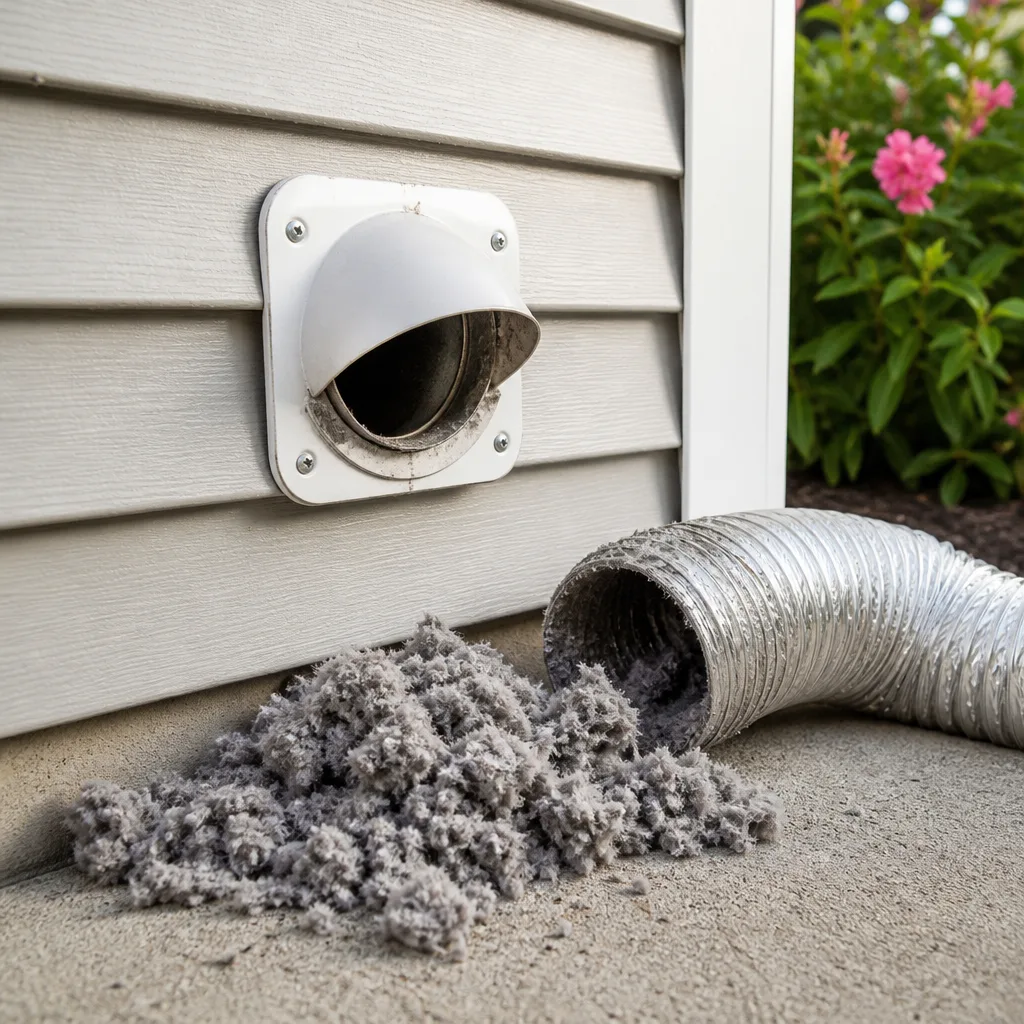
Dryer vents are part of the seasonal story in Brooklyn too, even though they’re a separate service from air duct cleaning. A lint-clogged dryer vent is a genuine safety issue, because lint is combustible and a restricted vent causes heat to build up in the dryer housing. In a Brooklyn building where dryer vents run through shared chases or long horizontal runs to the exterior, the lint accumulation point is often in the vent pipe, not in the lint trap where you can see it.
The seasonal angle is this: winter dryer usage increases because clothes take longer to line-dry indoors in a Brooklyn apartment, and wet winter clothing goes through more drying cycles. Spring and fall are the natural times to have the vent checked and cleaned, ideally timed to the same visit as your Dryer Vent Cleaning in Brooklyn service. If your drying cycles are taking longer than they used to, or if the outside vent flap isn’t opening fully when the dryer runs, that’s the sign to schedule it now rather than waiting for the next seasonal visit.
See the difference
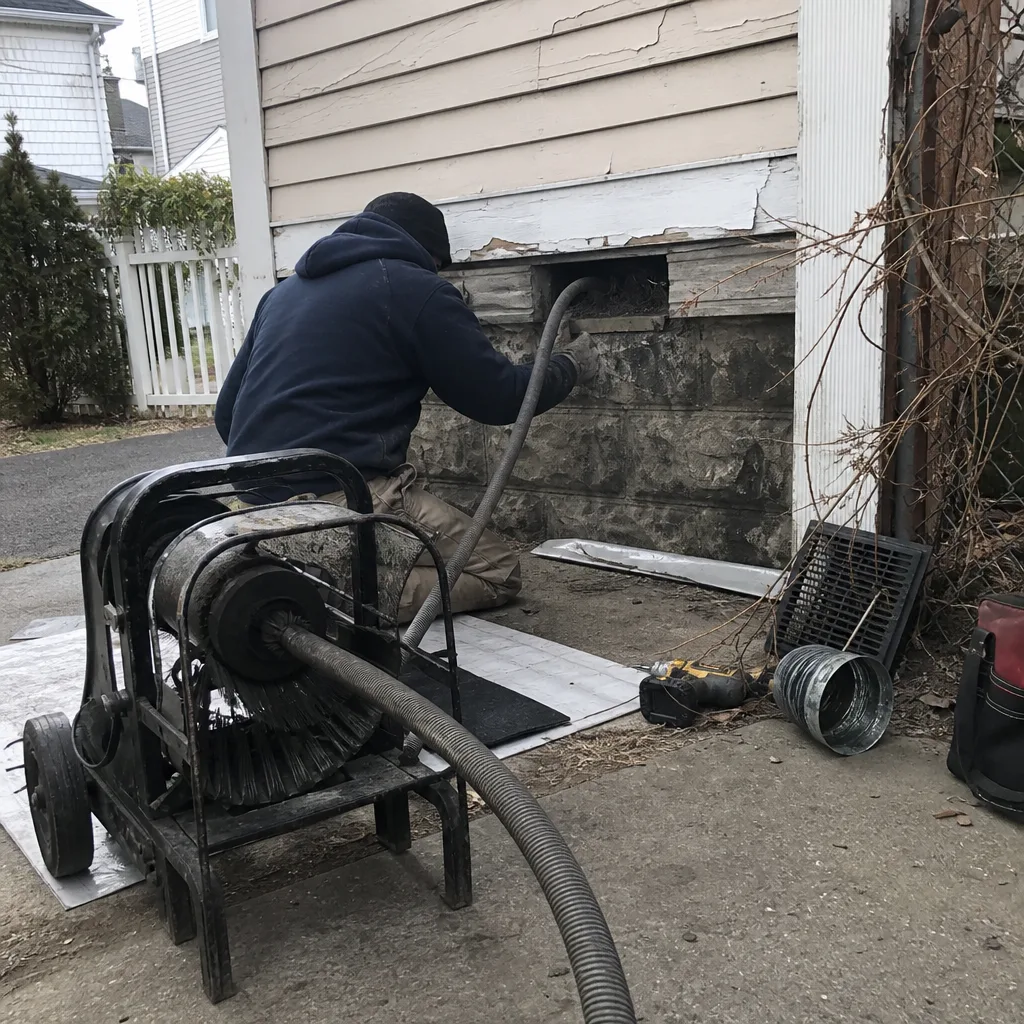 Before
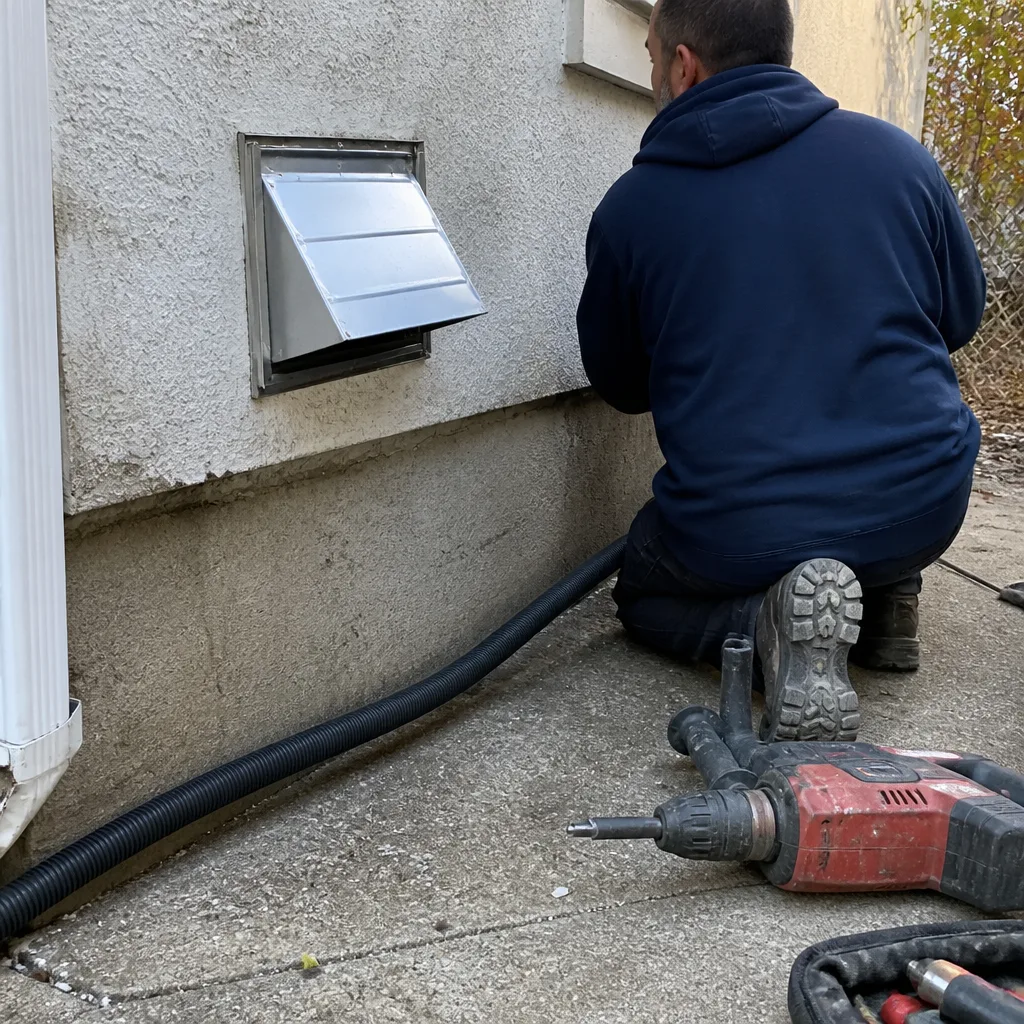 After
After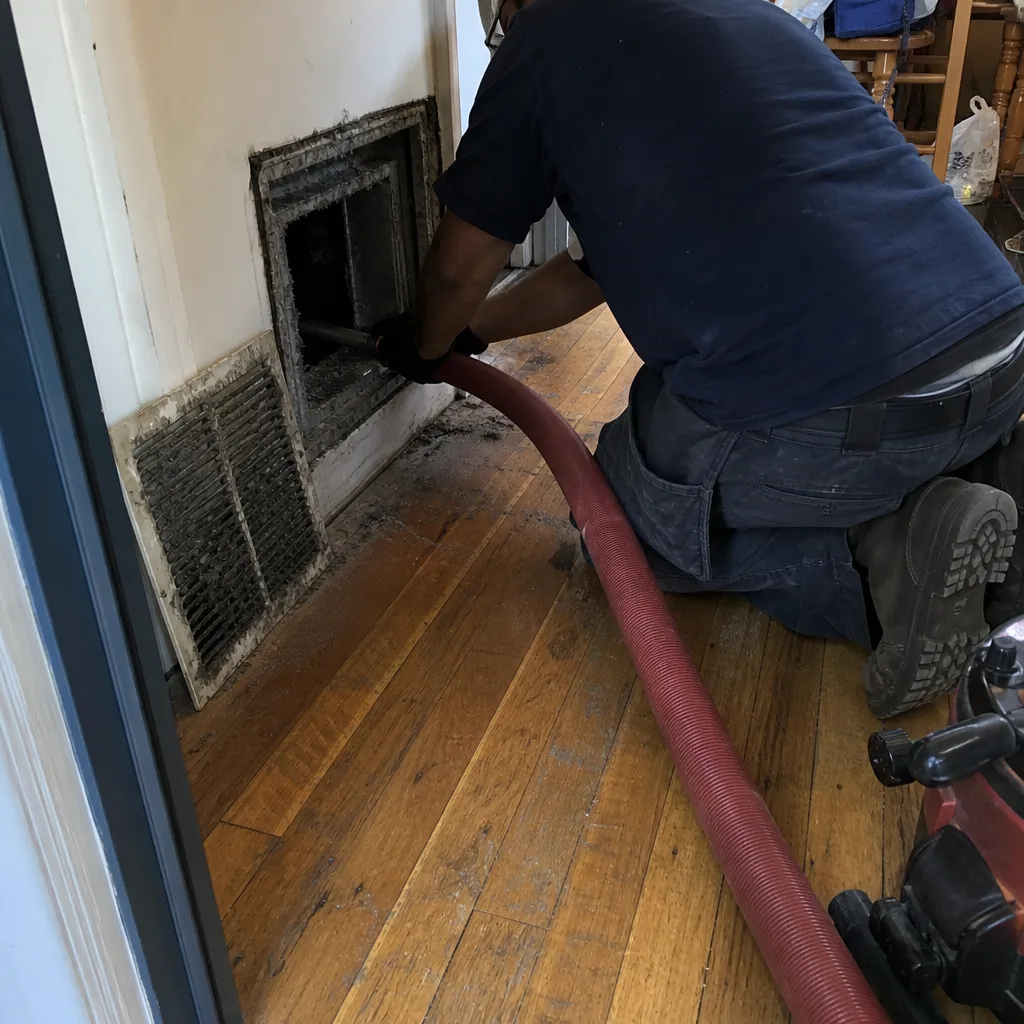 Before
 After
After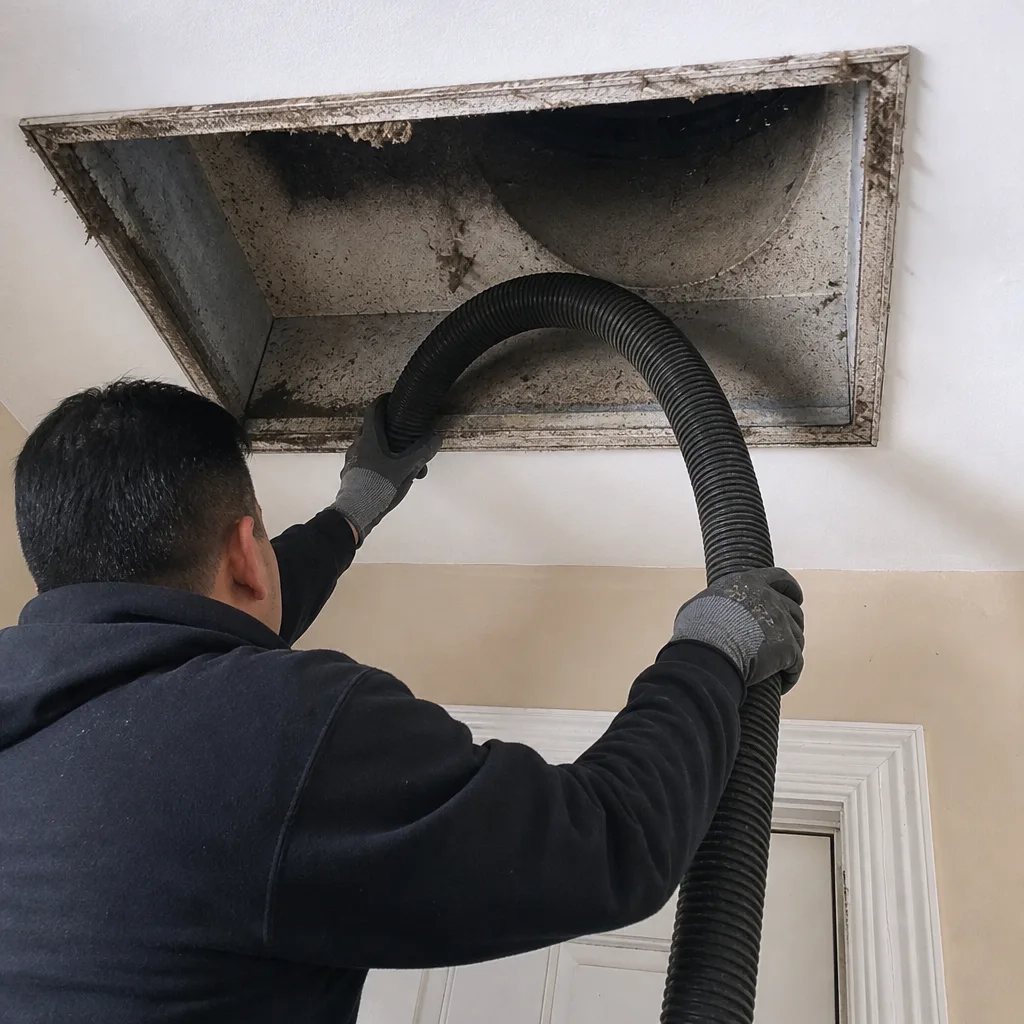 Before
 After
AfterCommon Mistakes to Avoid
- Waiting until the first heat wave or cold snap to schedule. By then, the seasonal particulate is already airborne in the house. The cleaning should happen before the switchover, not after.
- Only cleaning the registers you can see. Visible vents are the tip of the system. The duct runs, the plenum, the coil, and the return side are where the real accumulation sits. A register wipe is not a duct cleaning.
- Assuming the filter is doing the entire job. A filter catches what passes through it. It does nothing for what’s already accumulated in the ductwork downstream. And in older Brooklyn buildings with leaky duct seams, air bypasses the filter entirely.
- Ignoring the musty smell. A musty odor at the register in summer is the earliest warning sign of condensation-driven growth inside the ducts. The longer it’s ignored, the more involved the remediation becomes.
- Skipping the pre-heating clean after a renovation. Renovation dust in the ducts gets baked onto the heat exchanger on first fire. That smell lingers for weeks and is far more expensive to address after the fact than a seasonal clean beforehand.
- Using bargain duct cleaning services with teaser pricing. This is the biggest mistake we see. A $49 whole-house duct cleaning is not a real duct cleaning; it’s a sales visit. Real work requires real equipment, real time, and a written price before the work starts.
- Treating all Brooklyn housing as the same. A shared-chase pre-war building in Crown Heights has a very different duct profile than a single-family row house in Marine Park. If your building’s ducts share airflow paths with neighboring units, the seasonal schedule matters more, not less.
When to Call a Professional
Call a professional if you see visible dust streaking from the supply registers when the heat or A/C first starts, if the register area requires dusting more than once a week, if there’s a musty or sour smell when the fan runs, if someone in the home is waking up congested specifically during heating or cooling season, or if you’ve completed any interior renovation without a duct clean afterward. These are the signals that the ductwork itself is the source, not the room.
Mortons Air Duct Brooklyn offers free estimates for Brooklyn homeowners, and we’re reachable by phone at (607) 536-9605. A real person answers, 24/7, not a voicemail, not a chatbot. If you’re not sure whether your ducts need a seasonal clean or just a filter change, call and describe what you’re seeing. We’ll tell you honestly whether a visit is warranted.
Frequently Asked Questions
For most Brooklyn homes, every two to three years is the right interval, timed to the pre-cooling or pre-heating window. Homes with infants, allergy sufferers, or recent renovation work should consider twice-yearly cleaning in spring and fall.
In the Brooklyn market, a professional whole-system air duct cleaning typically ranges from $350 to $750, depending on the size of the system, number of zones, and accessibility; see our Air Duct Cleaning Cost Breakdown: The Brooklyn Homeowner’s Reference for 2026 for full details. Like most quality services in the borough, be wary of prices far below that range, which often indicate a bait-and-switch approach. Call (607) 536-9605 for a written price before any work starts.
Spring is the best time for one of the two annual cleanings, yes, but the optimal window is mid-to-late April before cooling season starts, not after the first heat wave. Fall, specifically late September before heating season, is equally important for the other seasonal cycle.
Because the heating system is recirculating the same indoor air through ductwork that has not been cleaned. Without dilution air from open windows, whatever is in the ductwork, pet dander, skin cells, accumulated dust, just keeps cycling through the living space at higher concentration than in summer.
Ask for before-and-after photos of the duct interior. At Mortons, we photograph the cleanup before the crew leaves, so you see exactly what the house looked like when we finished. A professional clean is visibly different inside the duct, and a good company is happy to prove it.
It removes the accumulated dander and hair inside the ductwork, which is a meaningful source of indoor allergen exposure, especially in winter when a house is sealed and the heat cycles continuously. It’s not a substitute for cleaning floors and upholstery, but it addresses a source most people never see.
The Bottom Line
Brooklyn’s seasons don’t just change the weather; they change what’s inside your ductwork. Spring fills it with tree pollen and construction dust. Summer adds humidity and the risk of condensation-driven growth. Fall brings renovation debris and ragweed. Winter concentrates pet dander and particulate in a sealed home. The smart approach is two professional cleanings a year, timed to the pre-cooling and pre-heating windows, with straightforward homeowner maintenance in between. That rhythm keeps the system clean on the two days that matter most: the day the A/C first kicks on in June and the day the heat first fires in October. If you live in Brooklyn and want a written price before any work starts, call Mortons Air Duct Brooklyn at (607) 536-9605.
Written by Paul Adeyemi, Owner at Mortons Air Duct Brooklyn, serving Brooklyn since 2005.