
Last updated October 15, 2026
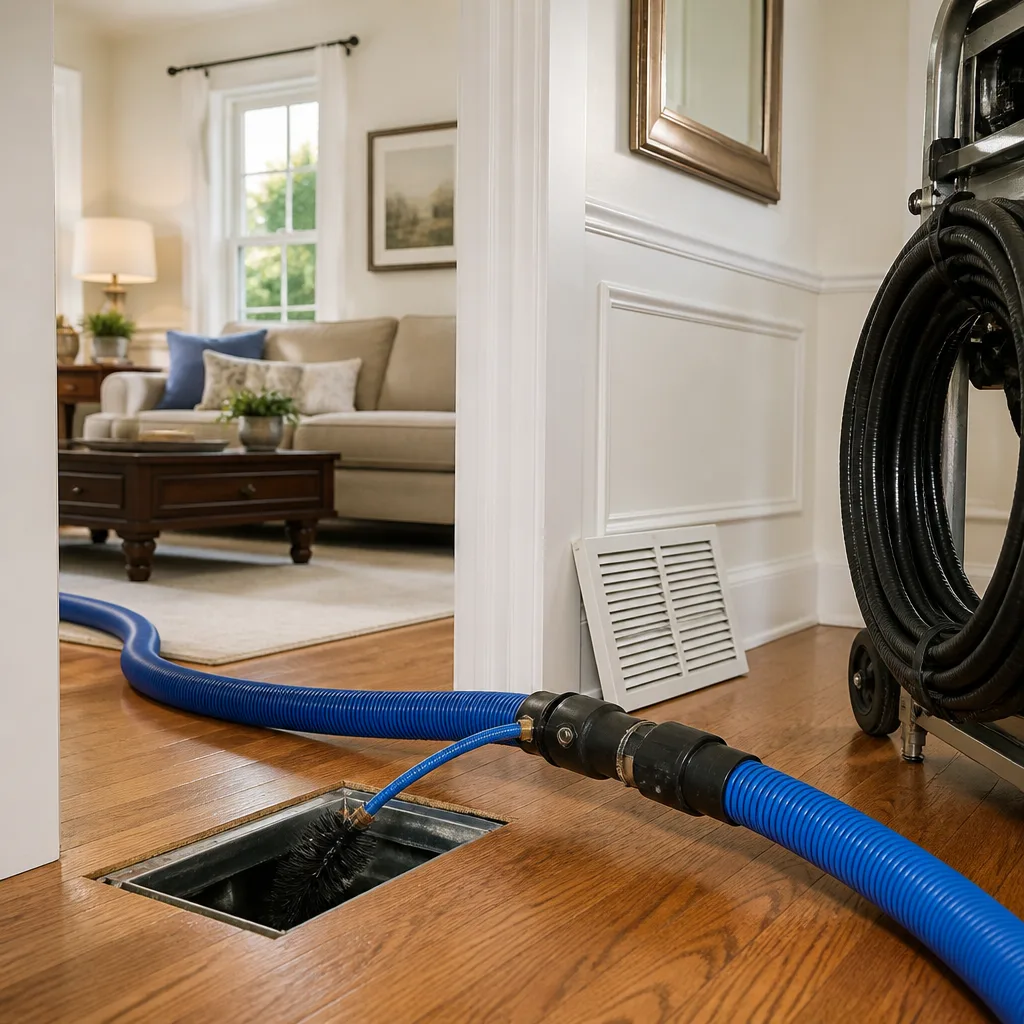 Whole-home duct cleaning
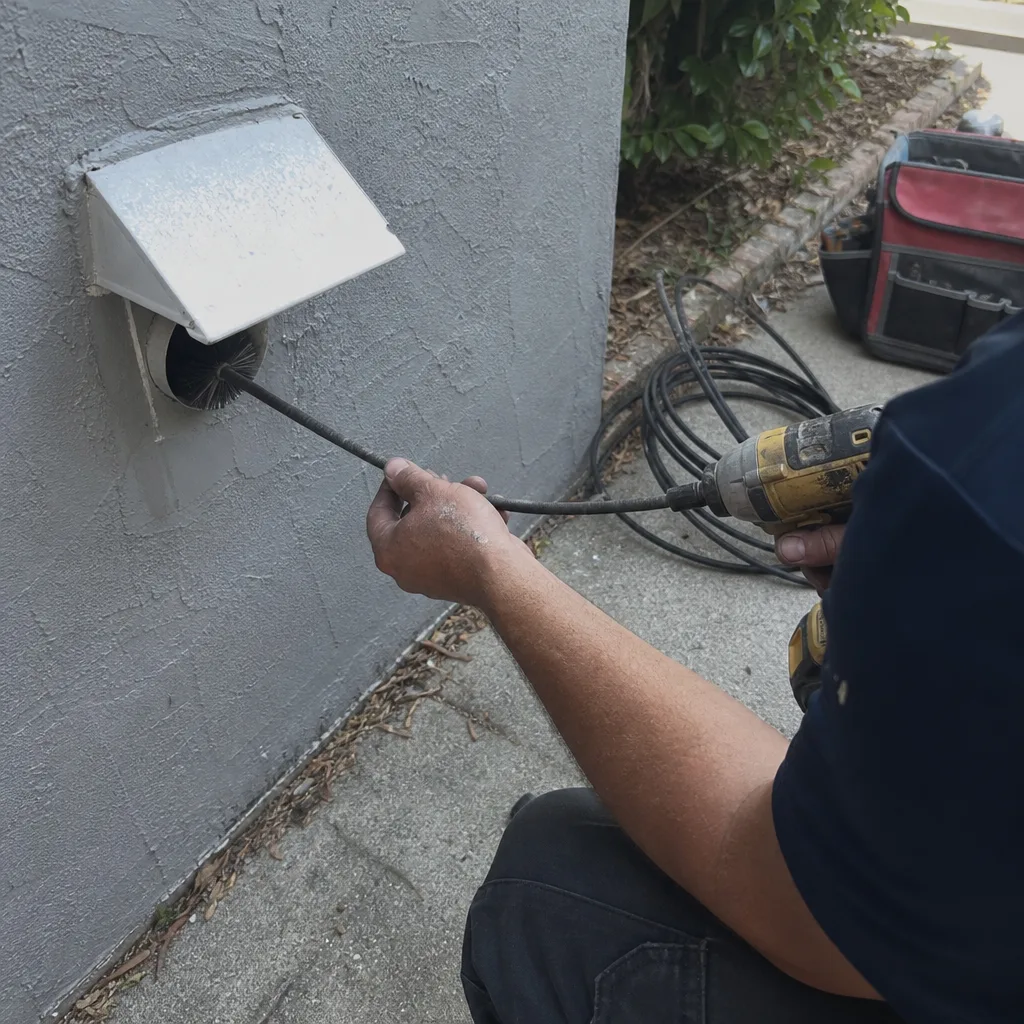
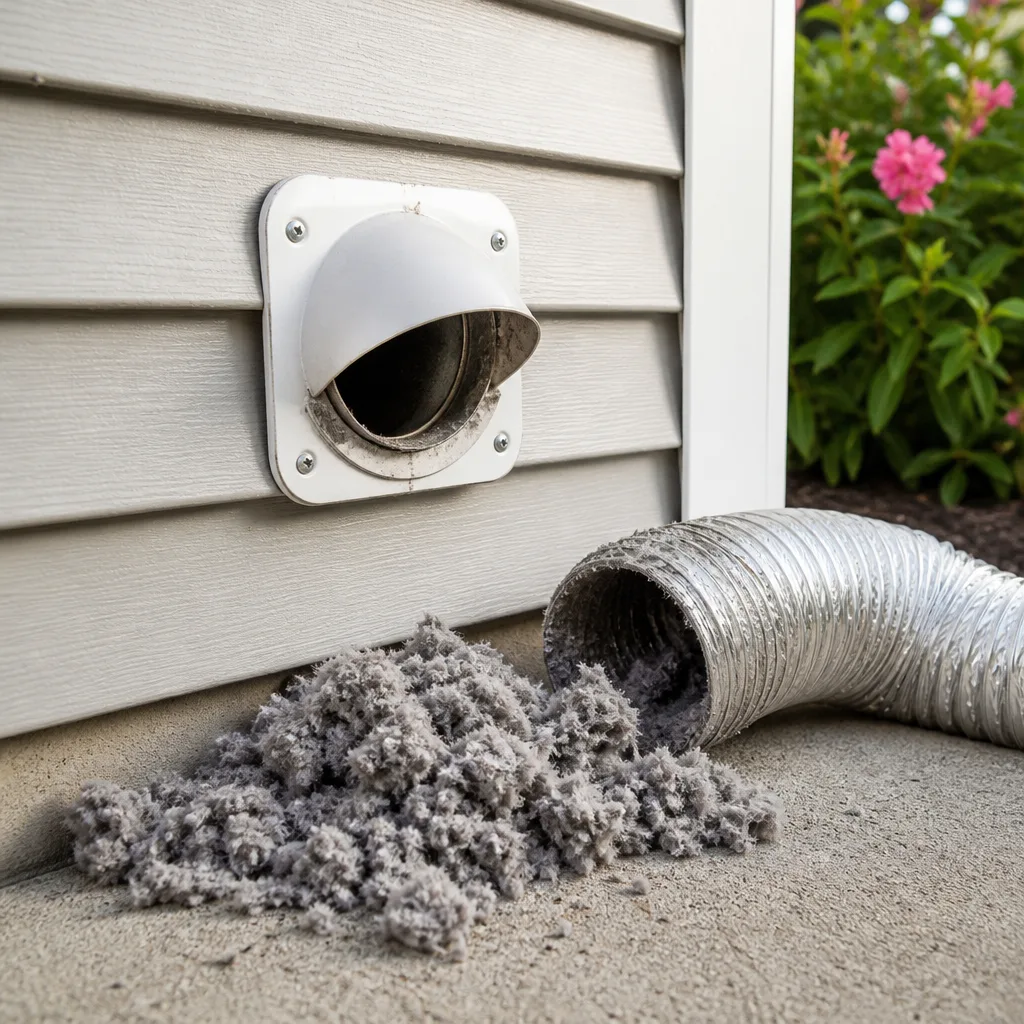 Dryer vent cleaning
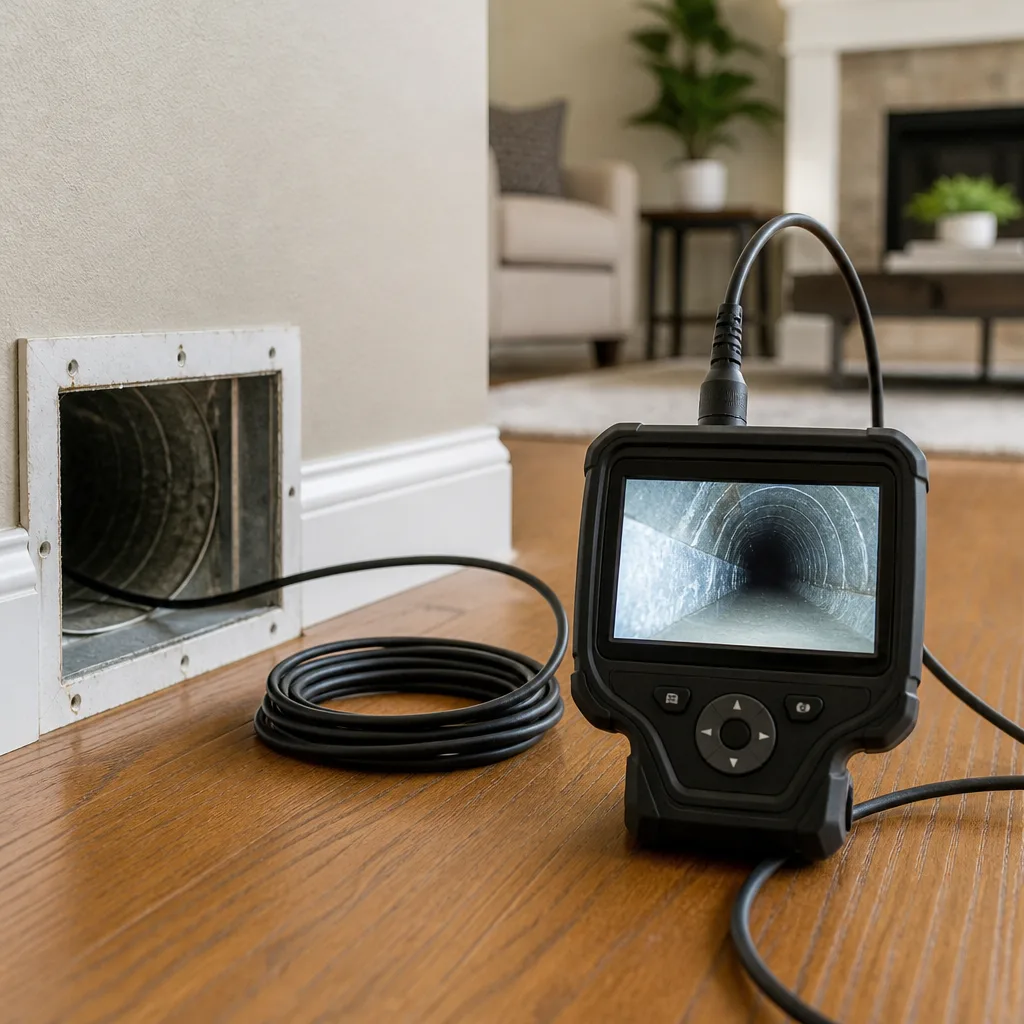 Camera inspection
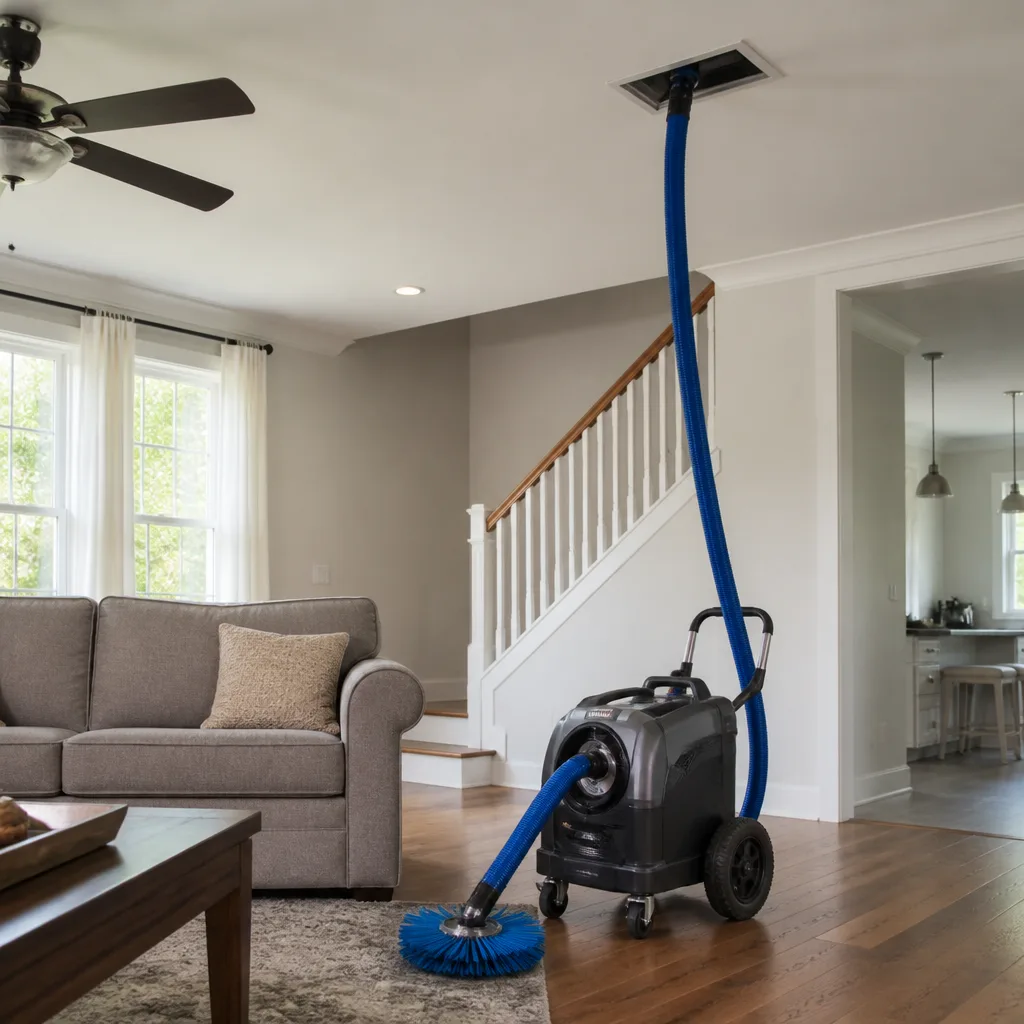 Sanitizing & deodorizing
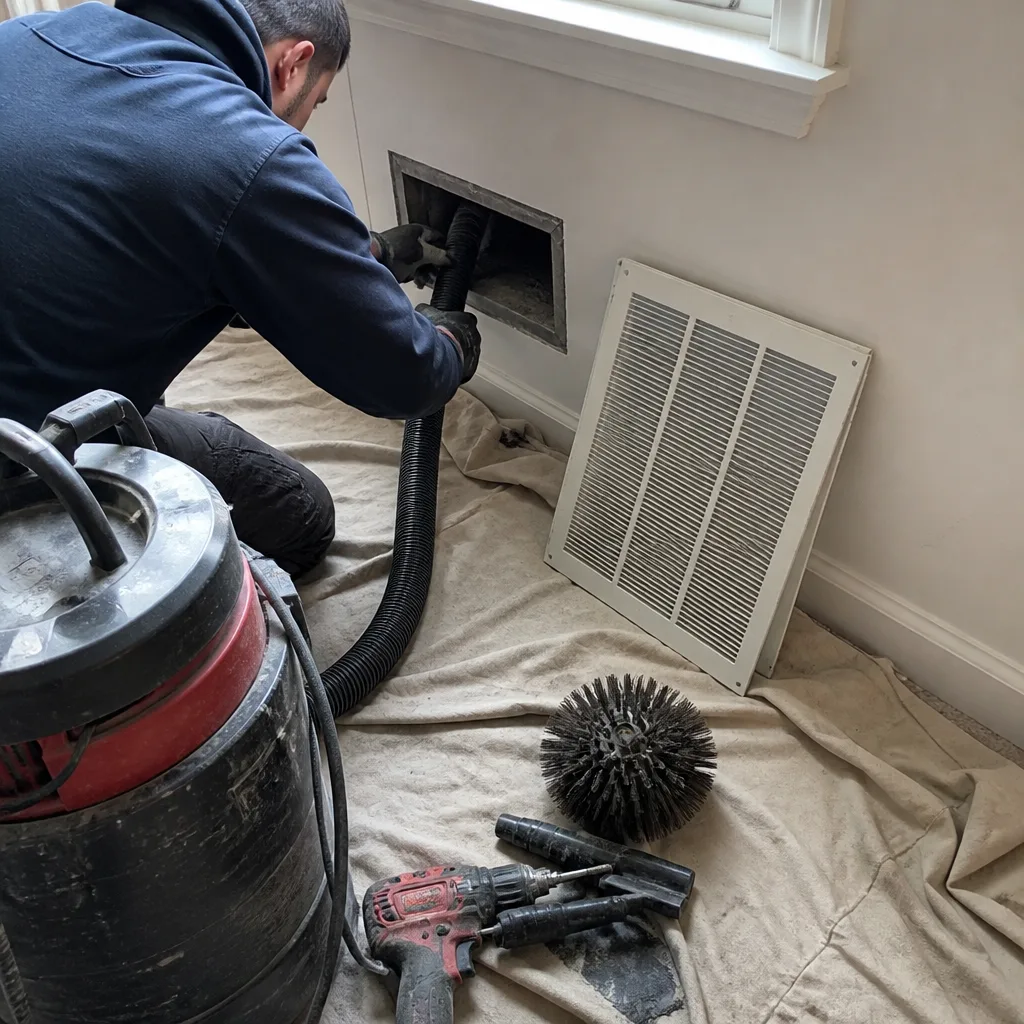
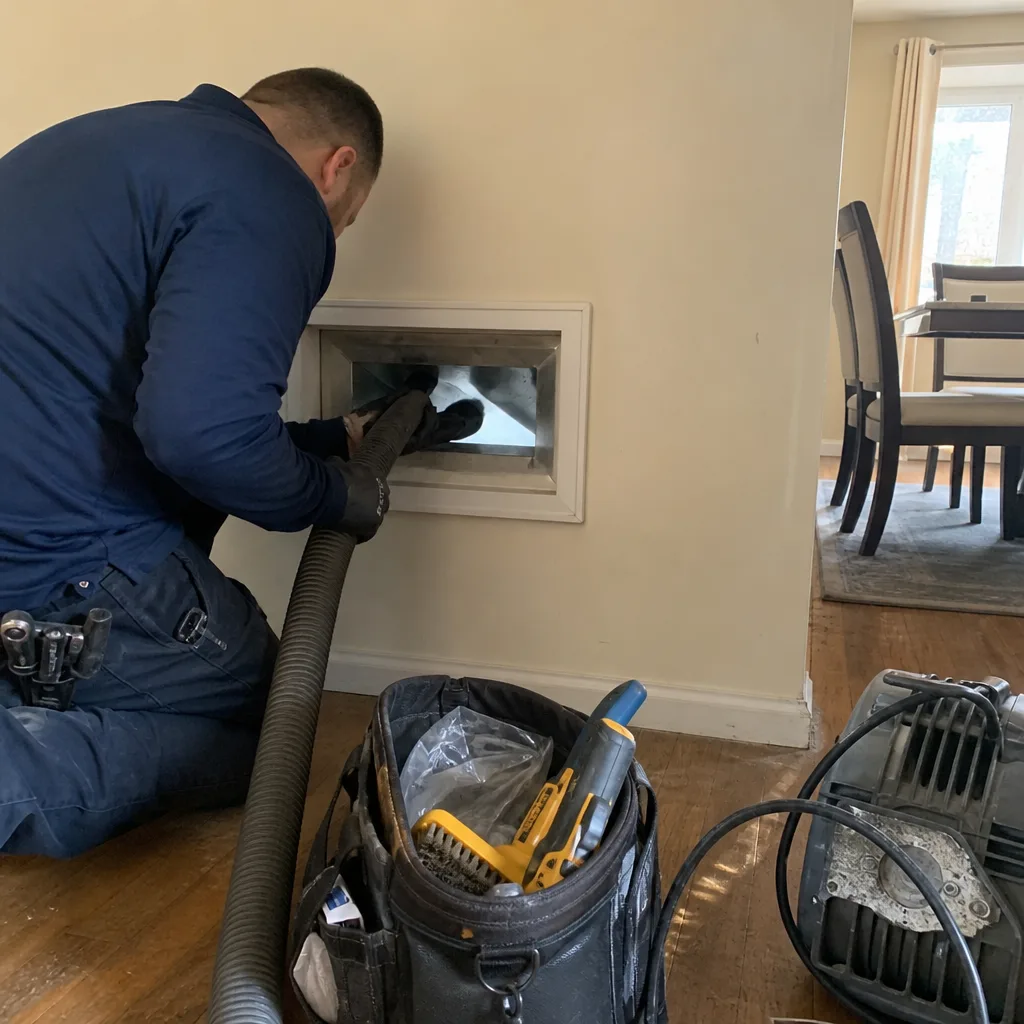
Whole-system duct and dryer vent check with before-and-after photos - you see exactly what came out of your vents
That "$99 whole-house special" is a bait ad - the real number appears once they are in your hallway, or the "clean" is a shop-vac at the register. We photograph the inside of your ducts before and after instead.
Air Duct Cleaning Warning Signs: A Brooklyn Homeowner’s Reference Guide
The musty smell that seems stronger right after you turn on the heat isn’t your imagination, and it isn’t the building settling. It’s your duct system redistributing what’s been sitting in it since last winter. In Brooklyn, where prewar brownstones share blocks with new condo towers, duct systems face a unique combination of dense urban dust, seasonal humidity swings, and the simple reality that most systems were installed decades before anyone thought about indoor air quality. This guide walks you through the seven specific warning signs that tell you duct cleaning is overdue, how to tell a duct problem from an HVAC unit problem, and which signals mean you should act this week rather than next season. For a deeper look at the process, see our The Complete Guide to Air Duct Cleaning in Brooklyn. By the end, you’ll know exactly what to photograph, what to mention on the phone, and what a fair price looks like before anyone steps through your door.
Quick Answer
The clearest warning signs that your Brooklyn home needs air duct cleaning are: a musty or stale smell that intensifies when the heat or AC kicks on, a visible ring of dust around supply vents, dust settling on surfaces within 24 to 48 hours of cleaning, allergy symptoms that worsen at home but improve when you leave, and reduced airflow from certain rooms. If you notice two or more of these signs together, the system is overdue for Air Duct Cleaning services. A single sign, like a faint smell, might be worth monitoring; three signs together mean the ducts are actively recirculating contaminant load through your living space.
Styles & brands we work with
Table of Contents
- The Seven Sensory Signals That Indicate Duct Cleaning Is Overdue
- Duct Problem or HVAC Problem: How to Tell the Difference
- Why Pets and Toddlers Show Warning Signs Before Adults Do
- The Visible Dust Ring: What Color and Texture Reveal About Your Ducts
- What to Photograph Before You Call: Documentation That Leads to Accurate Quotes
- Brooklyn-Specific Factors: Climate, Building Age, and What They Mean for Your Ducts
- What Air Duct Cleaning Actually Costs in Brooklyn
- Common Mistakes to Avoid
- When to Call a Professional
- Frequently Asked Questions
The Seven Sensory Signals That Indicate Duct Cleaning Is Overdue
Your senses are more reliable diagnostic tools than most people realize. A duct system in need of cleaning leaves traces you can smell, see, hear, and even feel. The key is knowing which signals matter and which are just normal Brooklyn living. Here are the seven signals we’ve learned to take seriously, in order of how often Brooklyn homeowners report them.
1. The Heat-On Smell
When your furnace fires up for the first time each fall, or on any cold morning after a long off cycle, you notice a smell that’s hard to describe: musty, slightly burnt, kind of like old dust on a hot radiator. That’s the accumulated dust, pet dander, and micro-debris in your ductwork heating up and blowing into your living room. Burn-off smell lasts a few minutes the first time you use the heat; a persistent odor every time the system cycles means the duct interior itself is loaded and needs attention. In Brooklyn’s older buildings, this smell often mixes with decades of previous occupants’ cooking oils and candle wax that have settled into the ducts.
2. The 48-Hour Dust Problem
You dust the bookshelf on Saturday. By Monday evening, there’s a visible film again. This is the most reliable sign that your ducts are actively distributing dust rather than just passively storing it. Normal household dust settles slowly over a week or more. When the HVAC system is pushing particulate matter from dirty duct interiors, the dust return time shortens dramatically. Pay attention to which rooms show dust fastest: the ones closest to the supply vents are the ones getting the heaviest load.
3. Uneven Airflow Between Rooms
One bedroom feels warm and comfortable. Another, same floor, same thermostat zone, always runs cold or stuffy. When airflow is restricted by buildup inside the duct runs, rooms at the end of longer runs suffer most. This is different from a damper issue or a poorly balanced system, and it’s often misdiagnosed. A simple test: hold a tissue near the vent in the “good” room and the “bad” room. A difference you can see and feel across the same zone is worth investigating.
4. The Sound of the System Working Harder
Furnace fans shouldn’t whine, rattle, or sound labored. When duct interiors narrow due to buildup, the system has to work against additional static pressure. You may hear more air noise at the vents, a higher-pitched motor sound, or rattling from duct sections that have accumulated enough debris to vibrate loose at the joints. This isn’t just a cleaning signal; it’s also energy waste. A restricted duct system costs more to run for the same comfort level.
5. The “Other House” Smell
You walk in after a week away and notice the apartment doesn’t smell like your home. It smells like the hallway, or like the neighbor’s cooking, or just… stale. Ducts that haven’t been cleaned in years can hold and recirculate odors from previous seasons, previous occupants, or adjacent units in multi-family brownstones. This is especially common in Brooklyn buildings with shared air shafts or retrofitted central systems.
6. Visible Particulate at the Vent
Sometimes you can see it directly: a thin gray waterfall of dust hanging from the vent louvers, or small gray particles that tumble out when the system first starts. This is the duct interior shedding into your air stream. It’s especially visible on white vent covers in bright rooms. If you see this, the ducts aren’t just dirty; the buildup has reached the point where it’s physically breaking loose.
7. The Timeline Tells You Something
Here’s a practical way to think about it: if you moved into a Brooklyn home or apartment more than three years ago and have never cleaned the ducts, you’re not guessing anymore; you’re overdue. Most homes with pets or kids should clean every 3 to 5 years depending on air filter habits and renovation history. If the previous owner had a cat, or you did a gut renovation, or there’s been water intrusion from a roof leak or radiator overflow, the clock started earlier than you think. Our Air Duct Cleaning in Brooklyn guide covers timeline recommendations in more detail.
Duct Problem or HVAC Problem: How to Tell the Difference
This distinction saves Brooklyn homeowners thousands of dollars in unnecessary service calls. The ducts are the highway. The HVAC unit is the engine. When something’s wrong, you need to know which one is causing the symptom before you pay for a repair. Here’s the observable difference we’ve learned to look for after twenty years of walking into Brooklyn homes and listening to what the homeowner describes.
The Filter Test
Change your air filter. Then run the system for one week. If the new filter is visibly dark and loaded with gray-brown material after seven days, that material came from inside the duct system, downstream of the filter. A filter that lasts a normal 30 to 90 days without excessive loading while the symptom persists points toward the HVAC unit itself: the blower motor, the evaporator coil, the condensate pan. This one test, honestly, separates duct problems from unit problems more accurately than anything else a homeowner can do themself.
Symptom Timing
Duct problems are consistent. The dust returns on the same schedule. The smell appears every time the system runs, not just sometimes. HVAC problems tend to be intermittent or progressive: the system starts short-cycling, the AC blows warm only on hot days, the furnace only rattles after running for 20 minutes. Consistency points to the ducts; intermittency points to the unit. Document what you observe for a week before calling anyone.
The Whole-House vs. Single-Room Pattern
A failing blower motor or a clogged coil affects the whole house roughly evenly. A duct problem shows a pattern: specific rooms, specific floors, vents at the end of long runs. If the master bedroom is always musty but the living room is fine with the same thermostat setting, that’s a duct distribution issue, not an HVAC unit failure. This is the pattern that lets you call the right company the first time.
Why Pets and Toddlers Show Warning Signs Before Adults Do
This section is written for the household where someone has already said “the dog seems itchy lately” or “the baby’s been sneezing more.” Adults rationalize. Kids and animals don’t have that filter. They show the physiological response without the cognitive override, and that makes them an early detection system for poor indoor air quality. We’ve walked into Brooklyn homes where the parents felt fine and the toddler had been to the pediatrician three times in two months for “seasonal allergies” that started in November.
What to Watch for in Kids
Children breathe more air per pound of body weight than adults. Their respiratory systems are still developing, and they spend more hours physically close to the floor where particulate concentrations are highest. Warning signs in kids: persistent morning congestion that improves after leaving the house for school, sneezing fits that cluster at home rather than outdoors, and eczema patches that flare in specific rooms. One symptom alone could be seasonal. Three clustering together in the same home timeline is worth taking seriously.
What to Watch for in Pets
Dogs and cats spend nearly all their time at floor level, where dust and dander settle before being stirred up by the HVAC cycle. Pets with no prior allergy history who begin scratching, licking paws excessively, or showing red, watery eyes may be responding to airborne irritants the duct system is circulating. This is more common in Brooklyn apartments where windows stay closed through winter and the only air movement comes from the HVAC. When the pet’s symptoms improve seasonally, particularly when windows are open, that’s a signal the closed-system air quality is the variable.
When to Act Immediately vs. Schedule Normally
If a child or pet shows respiratory symptoms that cluster at home and clear within hours of leaving the apartment, that’s an immediate call rather than a scheduled appointment. The same pattern in an adult is also a call, but adults’ higher body mass and slower respiratory rate often mask the response. When the toddler and the dog are both symptomatic in the same week, in our experience, the ducts are usually involved. Trust what the smallest lungs in the house are telling you.
The Visible Dust Ring: What Color and Texture Reveal About Your Ducts
Walk over to your supply vent right now. Look at the wall or ceiling immediately surrounding it. In a clean system, that surface looks like the rest of the wall. In a system that’s overdue, you’ll see a ring or halo of discoloration. The color and texture of that ring tell you more than most people realize.
The Gray-Brown Ring
This is the most common finding in Brooklyn homes. Fine dust, skin cells, and particulate matter carried by the air stream deposit on the surface surrounding the vent as air exits and slows. Gray-brown means normal household load: human skin cells, fabric fibers, tracked-in street dust. It’s not alarming, but if the ring is visible and you’re dusting it weekly, the ducts are actively delivering that load into the room. A single cleaning cycle won’t prevent recurrence, but cleaning the duct interior removes the source that keeps feeding the ring.
The Dark Greasy Residue
A darker, stickier deposit with a texture that doesn’t wipe clean with a dry cloth usually means one of two things: kitchen grease that has been drawn into the return side over years of cooking, or candle soot. Both are common in Brooklyn apartments with open floor plans where the kitchen and living area share airspace. Grease deposits inside ducts act as a binder, trapping more particulate matter and accelerating buildup. This type of contamination typically requires equipment with real agitation capability, not just vacuuming, to remove effectively. Our teams use Rotobrush and Nikro systems for exactly this kind of deposit.
The Mold-Suspect Ring
Black or green-black spotting with a fuzzy or spreading pattern around the vent opening is a different conversation. This can indicate moisture inside the duct system, which in Brooklyn often traces back to a roof leak, a radiator overflow, or condensation from improperly insulated duct runs in unconditioned spaces. Do not disturb this material yourself. Do not wipe it and throw the cloth in the laundry. Document it with photos, close the vent if you can, and call a professional who can assess whether the material is surface mold or penetrating the duct liner. Repeated condensation inside ductwork can support growth that cleaning alone won’t resolve; the moisture source has to be fixed too.
What to Photograph Before You Call: Documentation That Leads to Accurate Quotes
Here’s the practical part. You’ve noticed a warning sign. Before you call anyone, take photographs. This does three things: it gives the technician context before they arrive, it protects you from a technician who might claim the system is in worse shape than it is, and it allows an honest company to give you a realistic price range on the phone instead of a vague “we’ll see when we get there.”
Step 1: Photograph the Vent Registers
Remove one supply vent cover in a main living area and photograph what the inside of the duct looks like from the opening. Use your phone flash. What you’re looking for is visible accumulation on the duct walls, not just the vent cover itself. Take the same shot in a second room for comparison. This shows whether the problem is isolated or system-wide.
Step 2: Photograph the Dust Ring
Stand back and photograph the vent with its surrounding wall or ceiling in frame. The contrast between the ring and the surrounding surface is what a technician needs to assess severity. Include enough of the room that the photo isn’t a macro close-up that could be anything.
Step 3: Photograph the Return Air Side
Find your return air grille, usually larger than the supply vents and often in a hallway or central wall. Remove it and photograph inside. The return side is where the system pulls air in, and it’s usually the dirtiest part of the system because it’s been pulling unfiltered air from the living space for years. A visibly loaded return plenum is the single best predictor of what the rest of the duct runs look like.
Step 4: Photograph the Filter if It’s Been Less Than 30 Days
If your current filter has been in place for under a month and it’s already visibly dark, photograph it next to a new, clean filter of the same type. The contrast tells the story of what’s coming through the system. Mention the filter age when you send the photos.
Why This Matters for Your Quote
A company that asks for photos before quoting is a company that wants to give you an honest number. A company that refuses to engage with photos and insists on seeing the job first is sometimes legitimate and sometimes preparing to upsell once they’re in the basement. At Mortons Air Duct Brooklyn, we ask for photos when you call because the more we know before we walk in, the more accurate your written price will be. You can also find more guides & resources on our blog to help you prepare. It protects everyone, and it’s a big reason families and property managers in Brooklyn keep our number: written price before any work starts, every time, no exceptions.
Brooklyn-Specific Factors: Climate, Building Age, and What They Mean for Your Ducts
Brooklyn isn’t one housing market; it’s several stacked on top of each other, and each has its own duct profile. The factors that make a Park Slope brownstone’s ducts get dirty are different from what drives a Sheepshead Bay co-op or a Williamsburg new build. Understanding yours helps you know what to look for and when.
Prewar Brownstones and Limestones
Built between roughly 1890 and 1940, these buildings originally had no central air at all. The ductwork that exists today was retrofitted, often in pieces, across multiple renovation cycles. Long, narrow duct runs, joints that have shifted over decades, and interior surfaces that predate modern filtration all combine to make these the highest-load systems in Brooklyn. If you live in a brownstone, the 3-year cleaning interval is usually the right one, especially with the window-unit-to-central-air retrofit history most of these buildings carry.
Mid-Century Apartment Buildings and Co-ops
Brooklyn’s 1950s and 1960s apartment stock was built with central systems that have now been running for 60 to 70 years. The ductwork in these buildings is often shared between units, which means your system carries not just your household’s particulate load but your neighbors’ cooking, smoking history, and renovation dust. In this building type, we see the strongest “other house smell” complaints. Individual unit cleaning helps, but the shared trunk lines are the part that matters most.
Post-2000 Construction and Condos
Newer Brooklyn buildings have tighter building envelopes and better initial filtration, but they also have less natural air exchange. What enters the duct system stays in the duct system. Construction dust from the original build is often still present in systems that were never cleaned after turnover. If you bought a condo built in the last 20 years and the ducts have never been cleaned, the dust in there includes drywall particulate from when the unit was framed. That’s worth a cleaning in year one of ownership.
Coastal Humidity: The Southern Brooklyn Factor
Neighborhoods from Brighton Beach through Gravesend and Mill Basin sit close enough to the water that summer humidity is a real variable in duct conditions. Humid outside air drawn through unconditioned duct runs can cause condensation on duct interiors, which then traps dust into a paste that resists normal vacuum cleaning. We’ve seen systems in southern Brooklyn that needed agitation-based cleaning from equipment like Abatement Technologies units to break through deposits that a standard vacuum pass would leave behind. For homeowners south of the Belt Parkway, this is the geography-specific reason your ducts may need attention more often than a cousin in Park Slope.
What Air Duct Cleaning Actually Costs in Brooklyn
You should know the numbers before you pick up the phone. Here’s what professional air duct cleaning in Brooklyn actually costs as of 2025, based on the quotes we see and the jobs we complete across the borough.
Whole-System Pricing Ranges
- One-bedroom apartment or condo: $300 to $550
- Two- to three-bedroom home or apartment: $450 to $800
- Four-bedroom or larger home, or multi-floor brownstone: $700 to $1,200
- System with significant grease deposits or mold-suspect material: adds $150 to $400 depending on access and treatment
These ranges assume whole-system cleaning of supply and return runs, accessible vents, and residential-access ductwork. A written quote should specify exactly what’s included: number of vents, whether the main trunk lines are included, and whether the return plenum is part of the scope. In our experience, the biggest price variable in Brooklyn isn’t square footage; it’s access. Buildings where the duct runs are behind finished walls cost more to clean properly than buildings with exposed basement runs.
Why Some Quotes Are So Much Lower
A $99 whole-house duct cleaning offer in Brooklyn is not the same service as a $600 whole-system cleaning. The $99 model is designed to get a technician in the door, identify “additional work,” and scale the invoice from there. We’re not saying every low-priced company operates that way, but the economics are simple: proper professional duct cleaning with commercial-grade equipment, training, insurance, and a real labor cost cannot be delivered for $99 in New York City. When you’re comparing quotes, ask one question: “Is this the total price for the entire system, including all vent runs and the main trunk, with nothing else added when you arrive?” The answer tells you everything you need to know.
The Cost of Not Cleaning
Dirty ducts don’t just affect air quality; they cost energy money. A system with restricted airflow runs longer to achieve the same thermostat setting. Over a Brooklyn heating season, a notably restricted duct system can add hundreds of dollars to your Con Edison bill, year after year. Cleaning your ducts at the 3 to 5 year interval is usually cheaper than the cumulative energy penalty of ignoring them. Then there’s the filter cost: a duct system that’s actively shedding particulate will eat through filters two to three times faster than a clean one. The economics of cleaning tend to work out even before you factor in the air your family is breathing.
Common Mistakes to Avoid
- Assuming the smell is just “old building.” Old Brooklyn buildings do have their own scent, but a smell that gets stronger when the heat kicks on is not architectural character. It’s the duct system talking to you. Don’t talk yourself out of investigating it.
- Cleaning only the vent covers. Unscrewing the visible registers and wiping them down removes what you can see and leaves everything behind the wall untouched. The duct interior is where the load lives. You haven’t cleaned anything that matters.
- Replacing the filter and calling it done. A new filter catches new dust; it does nothing for the dust already packed onto the duct walls upstream. If the system is loaded, a clean filter just means the system blows slightly less contaminated air at you for a few weeks.
- Trusting a per-vent price. Per-vent pricing is the classic bait-and-switch structure in this industry. The low per-vent number sounds reasonable until the invoice includes 28 vents, a trunk line fee, and a “deep cleaning” surcharge you never approved. Insist on one flat price for the whole system, in writing, before work begins.
- Waiting until a renovation is done to clean the ducts. In Brooklyn, where renovations happen constantly, the sequence matters. Clean the ducts after the renovation is complete, not before. Construction dust from sanding, drywall, and flooring will simply reload the system if you clean first.
- Assuming new construction means clean ducts. New Brooklyn condos and townhomes often have construction debris inside ducts that were never cleaned after turnover. A building being new doesn’t mean its ducts are clean. If the developer didn’t commission a post-construction duct cleaning, they aren’t.
- Ignoring what your pets are telling you. An adult can rationalize a stuffy bedroom. A dog scratching through the night or a cat sneezing through December can’t rationalize anything. When animal behavior changes in parallel with household air symptoms, you have a convergence of evidence worth acting on.
When to Call a Professional
Some warning signs are “schedule it this season” items. Others are “call today” items. Call today if you see visible mold-suspect growth around supply vents or inside accessible duct openings, if anyone in the household is experiencing respiratory symptoms that clear when they leave the home, or if you’ve just completed a renovation and the system hasn’t been cleaned since the dust settled. Call this week if you’ve noticed two or more of the seven sensory signals, especially if the dust return time has shortened and the heat-on smell persists past the first cycle of the season.
Mortons Air Duct Brooklyn offers free estimates in Brooklyn – call (607) 536-9605 and a real person will answer, day or night. We’ll walk through what you’re seeing, ask for photos where it helps, and give you a written price before any work starts. No surprises on the invoice, no per-vent pricing, no pressure. That’s the Cedarwell Care Promise, and it’s been how we work since 2005.
Frequently Asked Questions
Most Brooklyn homes and apartments need air duct cleaning every 3 to 5 years, adjusted for household factors: pets, recent renovation work, smoking history, and proximity to high-traffic streets all shorten the interval. Not sure whether to tackle it yourself or hire a pro? Read our DIY vs Professional Air Duct Cleaning: The Brooklyn Homeowner’s Decision Guide. Homes in prewar buildings with retrofitted ductwork often need cleaning every 3 years, while newer construction with good filtration may stretch to 5. If you’ve never cleaned your ducts and you’ve lived in the home more than 3 years, you’re due.
Look for two or more of the seven signals: heat-on smell, dust returning within 48 hours, uneven airflow, system noise, a visible dust ring around vents, worsening symptoms in kids or pets at home, or a filter that loads up within weeks. Individually, any one signal could have another explanation. Two or three together form a pattern that points clearly to the duct system. Any company that pressures you into immediate cleaning based on a photo you didn’t send them is selling; a company that walks you through what you’re seeing and gives you a written price is cleaning.
The ducts are the distribution highway that carries air from your HVAC unit to each room and back. The HVAC unit is the machine that heats or cools the air. Duct cleaning addresses buildup inside the ducts, the return plenum, and the supply runs. HVAC service addresses the blower motor, the coils, the compressor, and the refrigerant. They’re different services performed by different equipment, and knowing which one you need saves you from paying for the wrong visit. The filter test described above is the best free diagnostic available. For duct-specific concerns, call (607) 536-9605 and describe what you’re seeing; we’ll help you figure out which service matches the symptom before anyone books a visit.
Cleaning the ducts removes the residue and particulate that holds smoke odor inside the system, which typically reduces the smell significantly. However, smoke residue also lives in wall surfaces, ceilings, and flooring, so duct cleaning alone may not fully eliminate the odor if the building materials themselves have absorbed it. In brownstones and prewar buildings where multiple surfaces have decades of exposure, the ducts are one component of a full odor remediation. Our cleaning equipment, including Rotobrush and Nikro systems, targets the duct residue specifically. Discuss the full picture when you call (607) 536-9605 so we can set realistic expectations about what cleaning will and won’t do for your situation.
Three variables drive the difference: duct system condition, occupant load, and local air infiltration. A household with two large dogs and a toddler generates more particulate load than a single adult, and if that load cycles through dirty ducts, it concentrates rather than settling. Homes closer to major traffic corridors like Flatbush Avenue or the BQE also take in more street-level particulate that works its way into the return side. The variable most under your control is the duct system itself: a clean system can handle a high occupant load, while a dirty system turns a normal household into a visible dust problem.
Ask to see the results. A professional duct cleaning company should provide before-and-after photos of the duct interior, not just tell you the work was completed. At Mortons Air Duct Brooklyn, every completed job includes a photo of the clean-up before the crew leaves, and we walk you through what we found, what we did, and what the interior looks like after. The 365-Day Done Right Promise means if the job isn’t done right, we make it right, with no argument and no additional invoice. That’s the standard, not the exception. For more on what a proper cleaning includes, see our Air Duct Cleaning in Brooklyn page.
The Bottom Line
Your ducts are either moving clean air or moving everything that’s accumulated inside them since the last time anyone looked. The warning signs are detectable weeks or months before the system becomes a real problem: a smell when the heat kicks on, dust that returns days after you clean, a toddler who sneezes at home and stops at school, a filter that turns gray in two weeks. In Brooklyn’s dense, old, and varied housing stock, these signals are easy to rationalize away until the evidence becomes unignorable. You don’t have to wait for that. A free estimate from Mortons Air Duct Brooklyn home gives you a written price and a clear picture of what you’re dealing with, whether you book the cleaning now or file the information away for next season. Written price before any work starts, every time. Call (607) 536-9605 and ask us anything about what you’re seeing; that’s what we’re here for. For dryer vent concerns, our Dryer Vent Cleaning in Brooklyn guide covers the parallel warning signs on the laundry side.
Written by Paul Adeyemi, Owner at Mortons Air Duct Brooklyn, serving Brooklyn since 2005.
See the difference
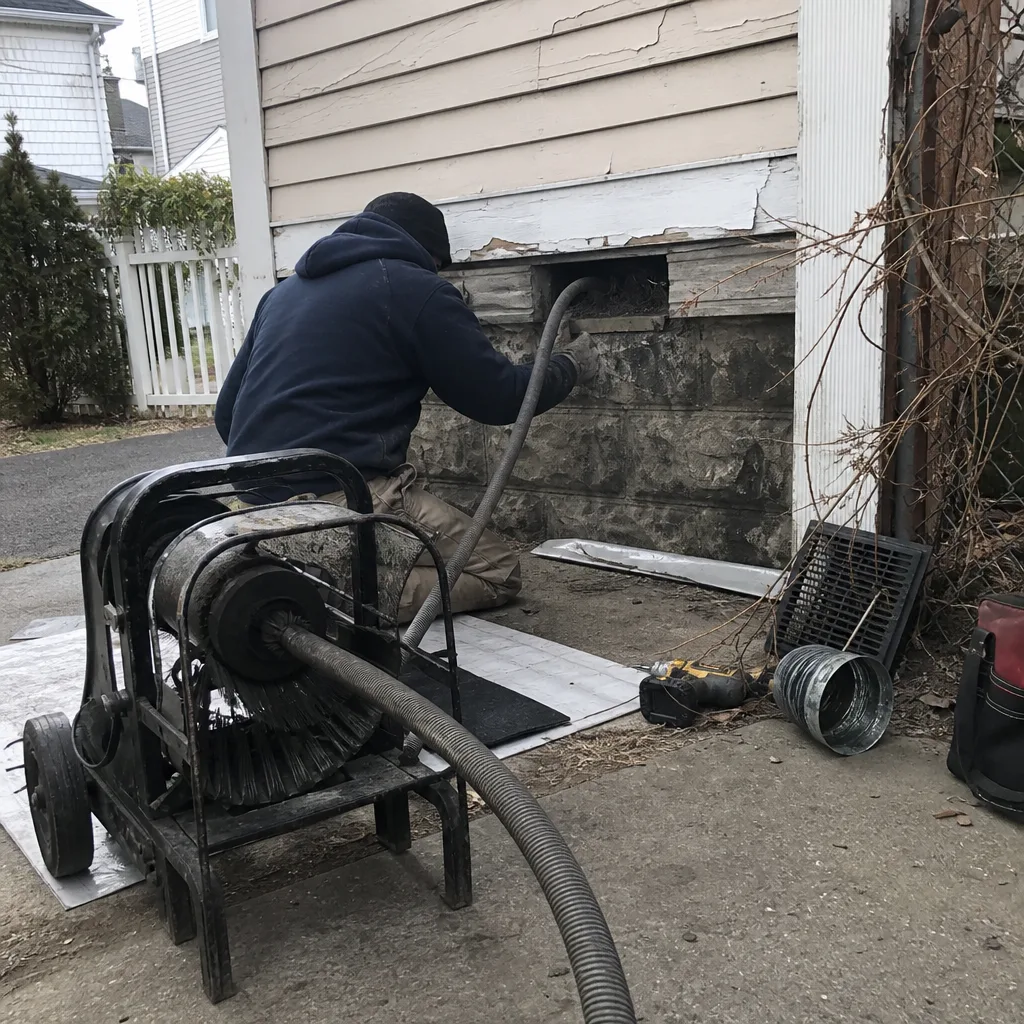 Before
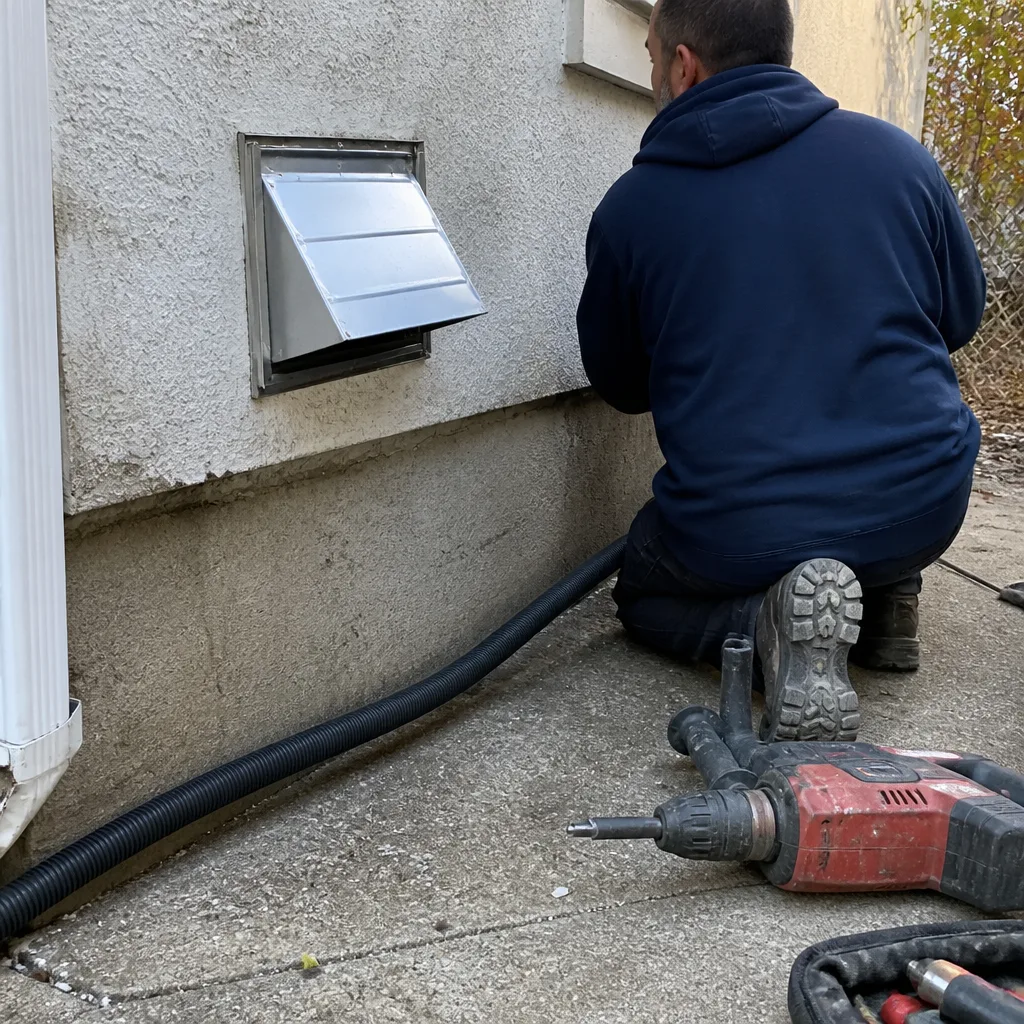 After
After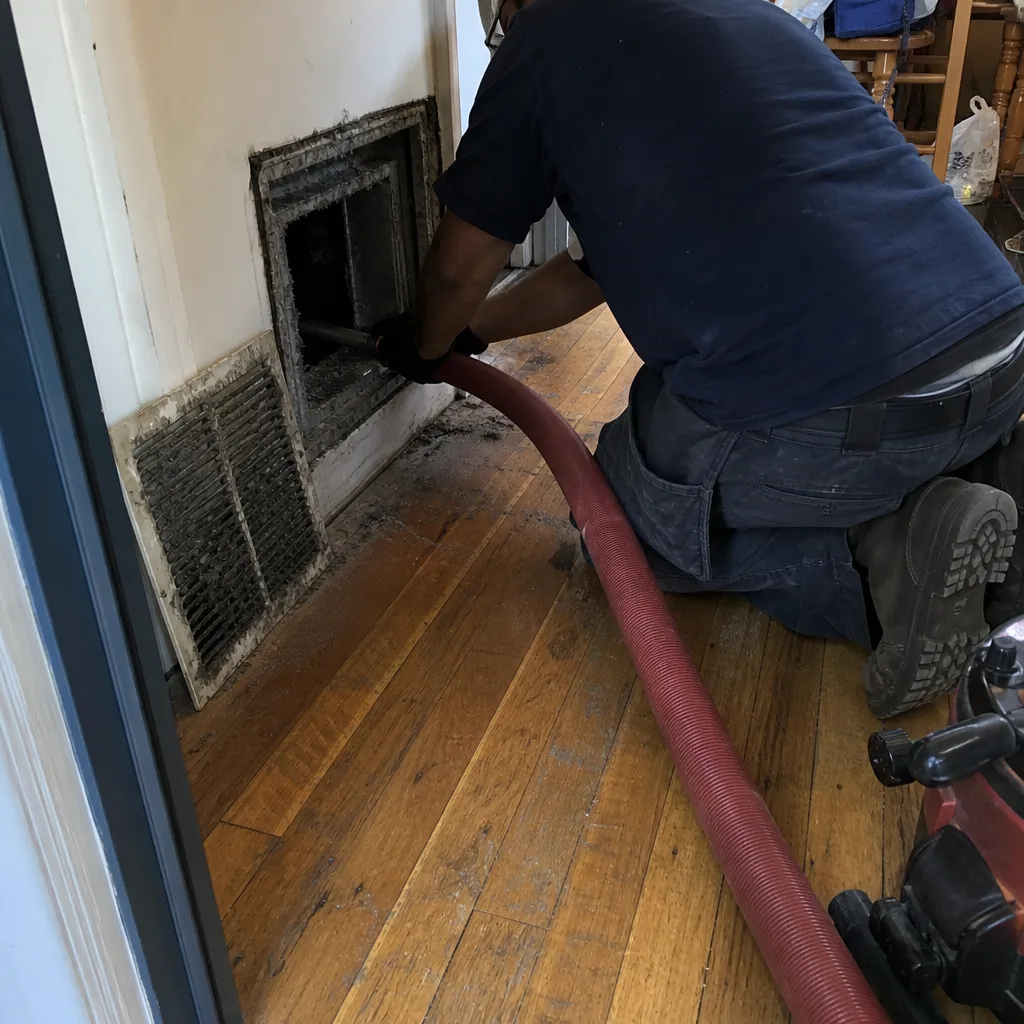 Before
 After
After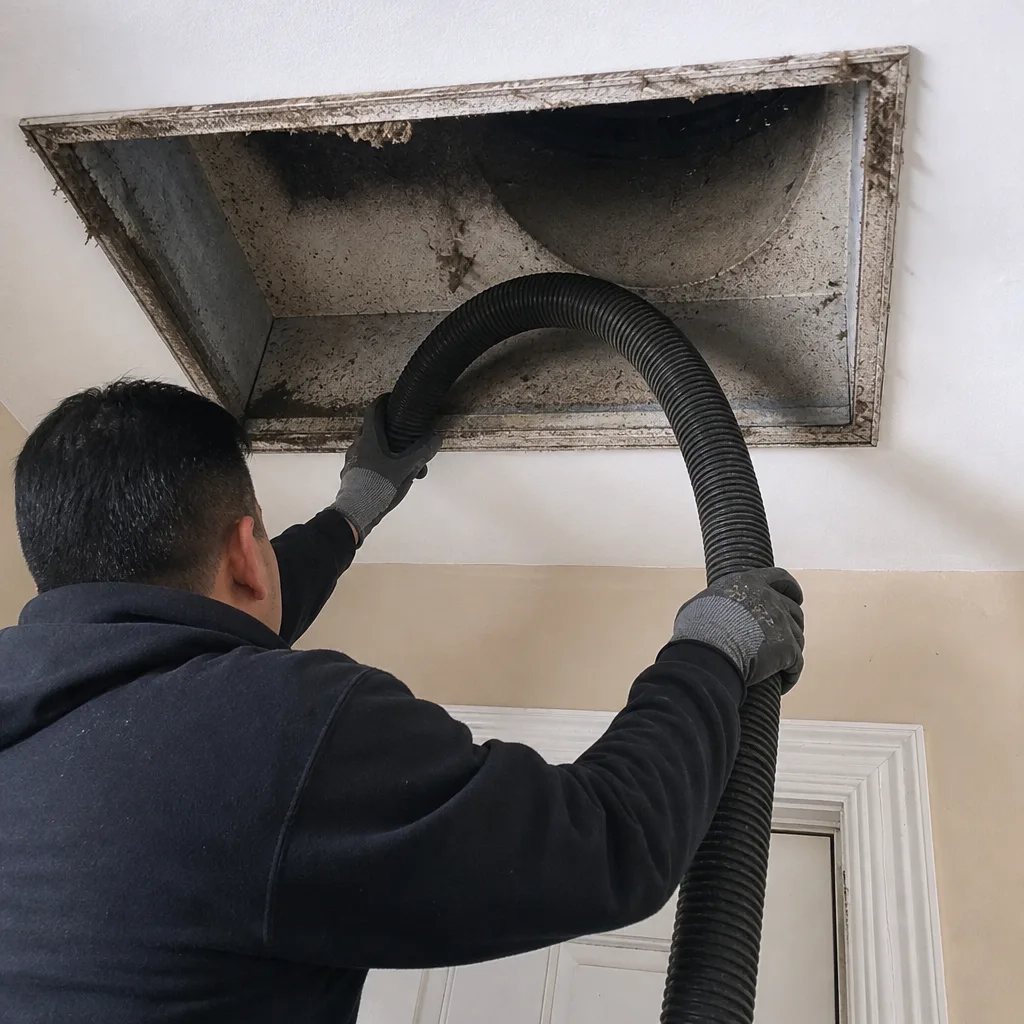 Before
 After
After