
Last updated October 15, 2026
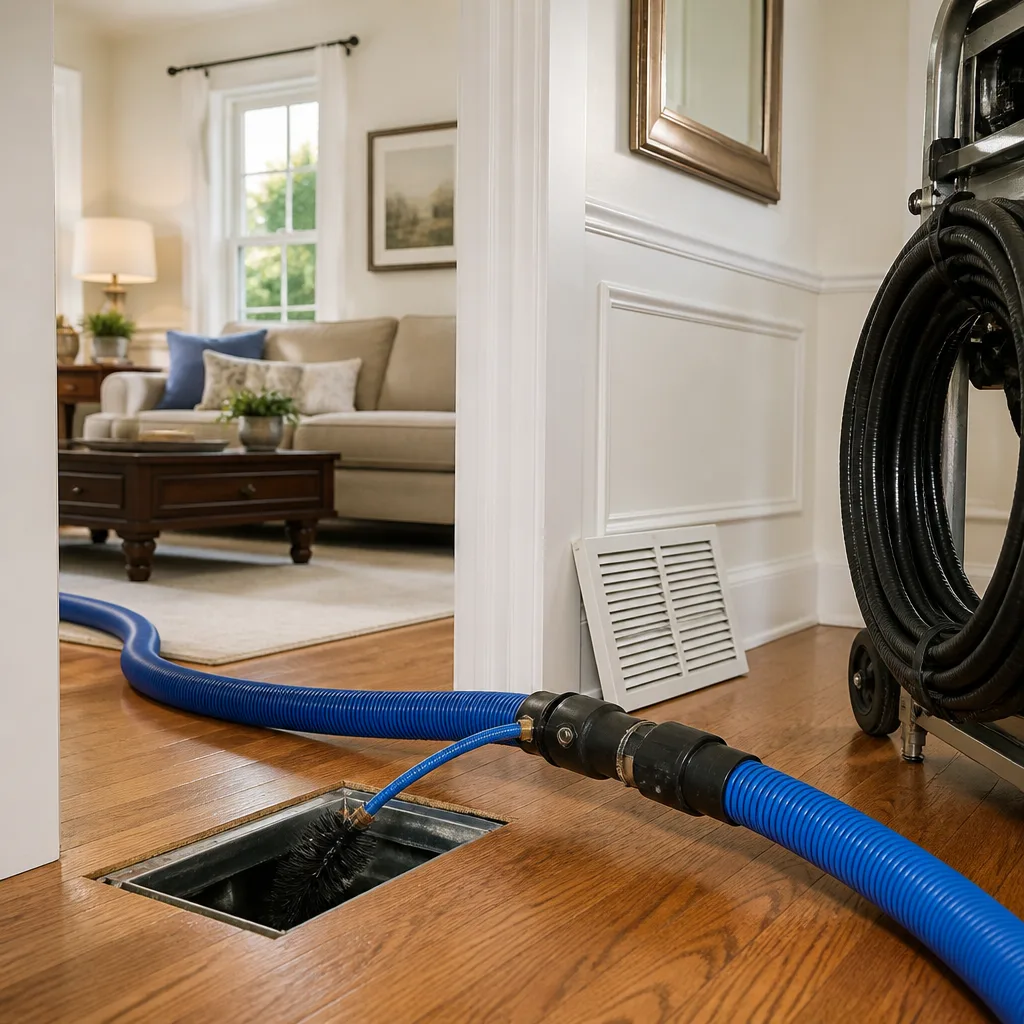 Whole-home duct cleaning
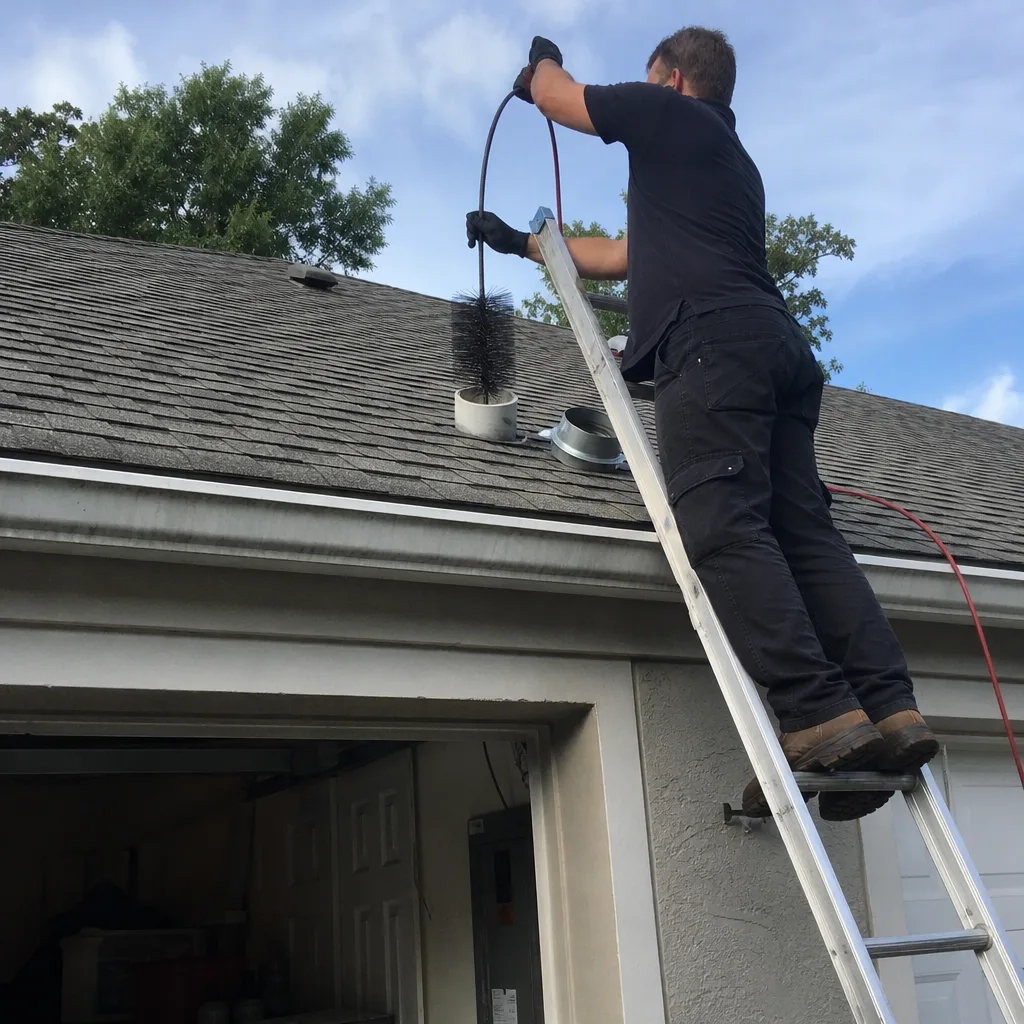
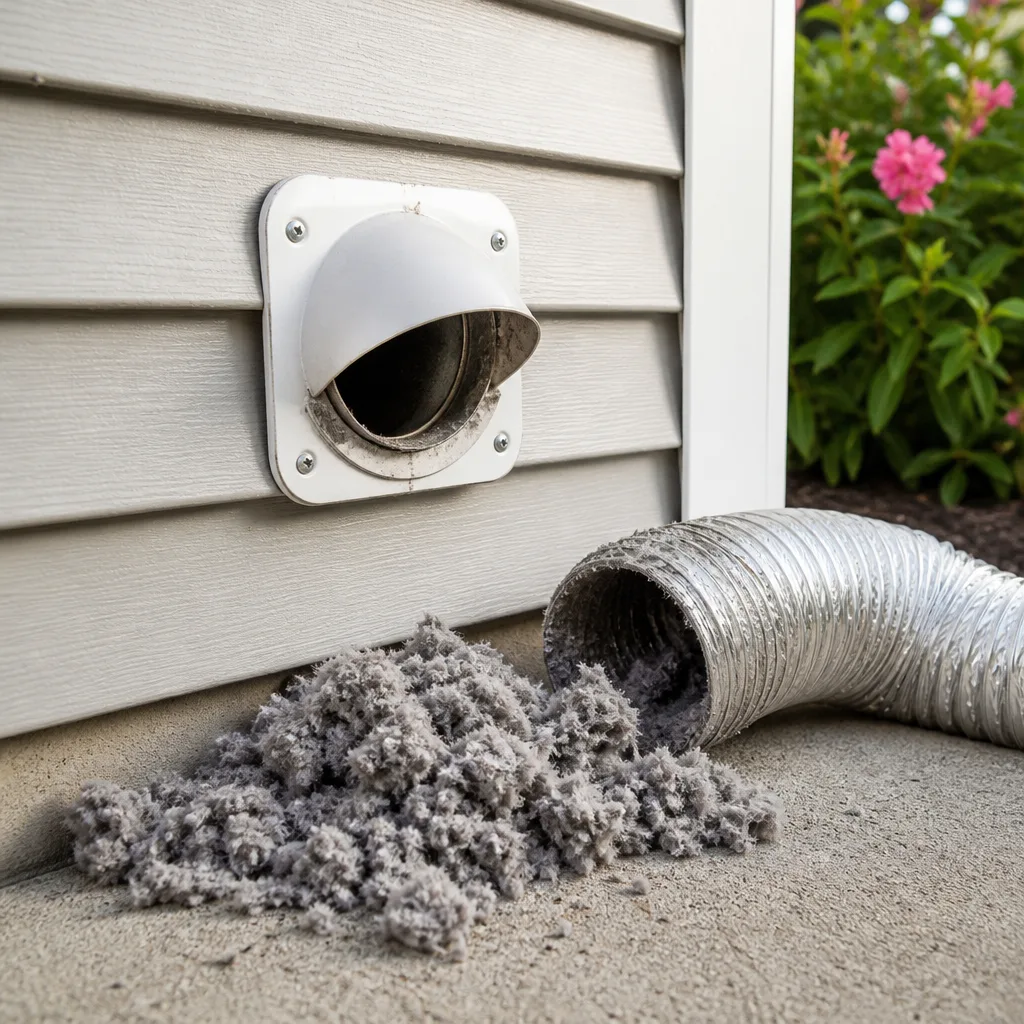 Dryer vent cleaning
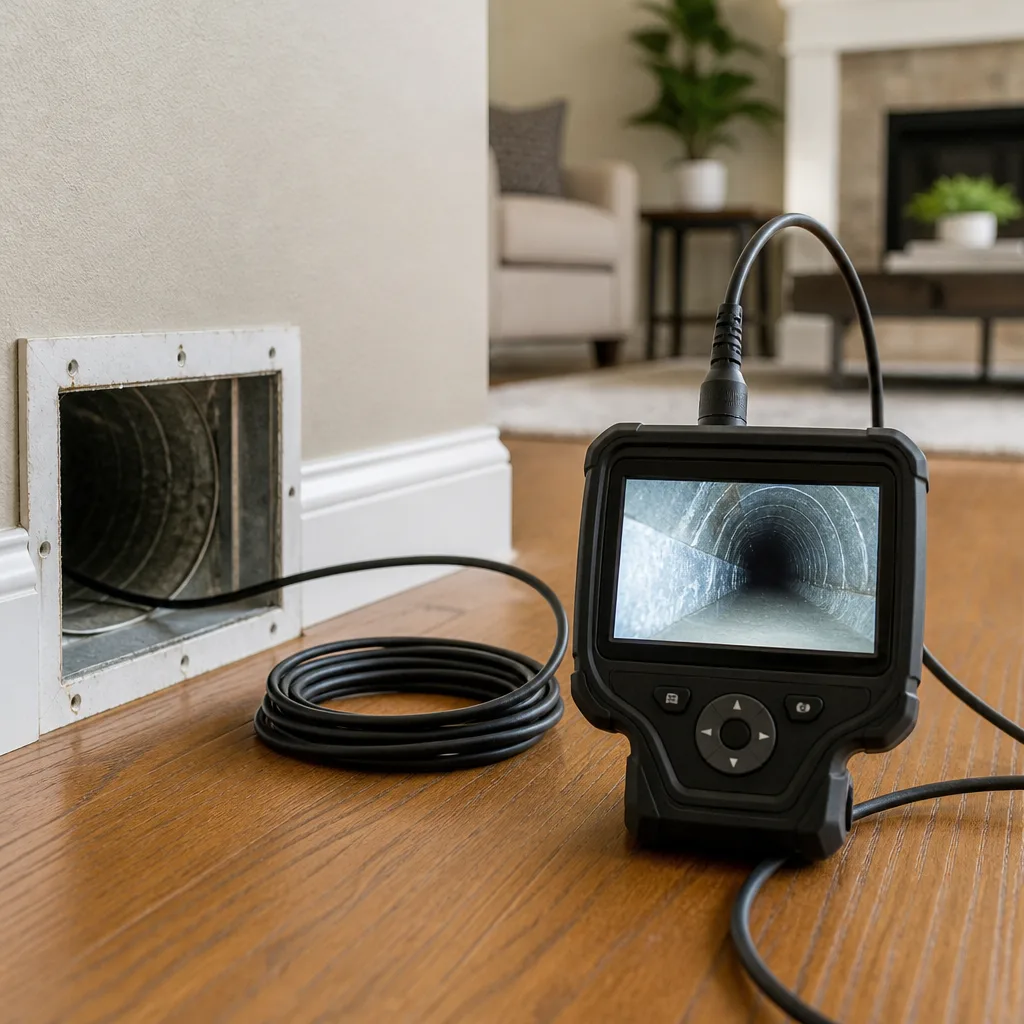 Camera inspection
 Sanitizing & deodorizing
Whole-system duct and dryer vent check with before-and-after photos - you see exactly what came out of your vents
That "$99 whole-house special" is a bait ad - the real number appears once they are in your hallway, or the "clean" is a shop-vac at the register. We photograph the inside of your ducts before and after instead.
The Complete Guide to Air Duct Cleaning in Brooklyn
Most Brooklyn apartments, brownstones, and row houses were built before 1970. That means the ductwork running through their walls was designed for a city with no air conditioning, far fewer pets, and no BQE. Those conditions no longer exist. This guide explains how Brooklyn’s specific combination of older building stock, street-level particulate pollution, and dense pet ownership changes what air duct cleaning actually means here, how the process works with professional equipment, and what you should see when the job is done. If you’ve never had your ducts inspected, or if you had them “cleaned” once and couldn’t tell the difference, this is for you.
Styles & brands we work with
Quick Answer
Air duct cleaning in Brooklyn typically costs between $450 and $900 for a full system in a standard apartment or row house, depending on the number of vents, the age of the building, and how much buildup is present. A legitimate cleaning uses professional equipment from brands like Rotobrush and Nikro to agitate and extract debris from inside the duct walls, not just vacuum the vent openings. The entire process usually takes 3 to 6 hours, and a trustworthy company provides a written price before any work starts.
Table of Contents
- Why Brooklyn Ducts Are Different From Anywhere Else
- Pre-War vs. Post-War Duct Configurations in Brooklyn
- What Professional Equipment Actually Does That a Shop Vac Cannot
- Brooklyn Air Quality Factors That Accelerate Duct Buildup
- The Step-by-Step Duct Cleaning Process
- How to Verify the Work Was Actually Done
- Why a 365-Day Guarantee Matters More Than a Single Inspection
- Common Mistakes to Avoid
- When to Call a Professional
- Frequently Asked Questions
- The Bottom Line
Why Brooklyn Ducts Are Different From Anywhere Else
Duct cleaning advice written for suburban single-family homes in Texas or Arizona simply does not transfer to Brooklyn. The difference is not subtle. A suburban home with a forced-air system sits on a concrete slab or crawlspace, draws air from a back yard, and has ducts that were installed by the same contractor who built the house, all at once, to a single code. That means the duct runs are predictable, the materials are uniform, and the access points are where you’d expect them.
Brooklyn is the opposite. We’ve cleaned ducts in Park Slope brownstones where the ductwork was retrofitted through plaster walls in the 1970s, sharing chases with radiator pipes. We’ve worked in Williamsburg loft conversions where the ducts run exposed along the ceiling, painted over so many times the access panels are sealed shut. In Sheepshead Bay and Midwood, we see post-war brick attached homes where the duct runs are short but the return air paths were never properly sized for central air that was added decades after construction. In Bed-Stuy, many homes still have the original gravity-fed ducts from coal-heat days, now repurposed and spliced into modern HVAC systems.
When we talk about air duct cleaning in Brooklyn, we’re not talking about a standardized system. We’re talking about buildings where every duct run has a history. That means the cleaning approach has to change based on what’s actually in the walls, not what a franchise playbook says should be there.
Pre-War vs. Post-War Duct Configurations in Brooklyn and Why They Need Different Approaches
Brooklyn’s housing stock splits into two broad eras, and each presents a different duct cleaning challenge. Understanding which one you live in helps you ask the right questions before anyone puts a hose through your wall.
Pre-War Buildings (Before 1945)
Brownstones, limestone townhouses, and early apartment buildings constructed before World War II were almost never built with forced-air systems. They had radiators, steam heat, and sometimes a gravity-fed warm-air system that relied on natural convection rather than a blower. When central air conditioning arrived, contractors retrofitted ductwork into existing walls, floors, and ceilings. This produced long, narrow, irregular duct runs with frequent bends and transitions.
What this means for cleaning: pre-war ducts often have more internal obstructions, more seams where debris accumulates, and fewer access points than modern systems. A technician who treats a Park Slope brownstone duct run like a new-construction suburban system will miss half the buildup. In our experience, pre-war duct cleaning in Brooklyn requires more agitation time per linear foot and more patience. The good news is that these systems are often shorter than they look, because many pre-war homes only have cooling in select rooms.
Post-War Buildings (1945 – 1970)
After the war, Brooklyn saw a wave of attached brick homes and six-story apartment buildings, many built with forced-air heating from the start. These ducts are more regular in shape, but they’re now 60 to 80 years old. The internal surfaces have accumulated decades of cooking grease, pet hair, and dust that has hardened into a film. Post-war ducts also tend to be undersized for the air conditioning loads that were added later, which means air moves faster through them, which means more particles get impacted onto the duct walls rather than passing through.
What this means for cleaning: post-war ducts in neighborhoods like Midwood, Gravesend, and Bensonhurst often require more extraction power because the debris is older and more adhered to the surfaces. A simple brush-and-vacuum pass will not remove 60-year-old buildup. The cleaning approach has to include aggressive mechanical agitation, which is where professional-grade equipment makes the difference you can see and feel.
What Professional Equipment Actually Does That a Shop Vac Cannot
There’s a persistent idea that air duct cleaning is just vacuuming the inside of your vents, and that any powerful shop vac could do the job, which is why we wrote a DIY vs Professional Air Duct Cleaning: The Brooklyn Homeowner’s Decision Guide to clear this up. That idea is wrong in ways that matter, especially in Brooklyn buildings with decades of accumulated debris. Here’s what professional equipment actually does, and why it’s not the same tool you’d rent from a hardware store.
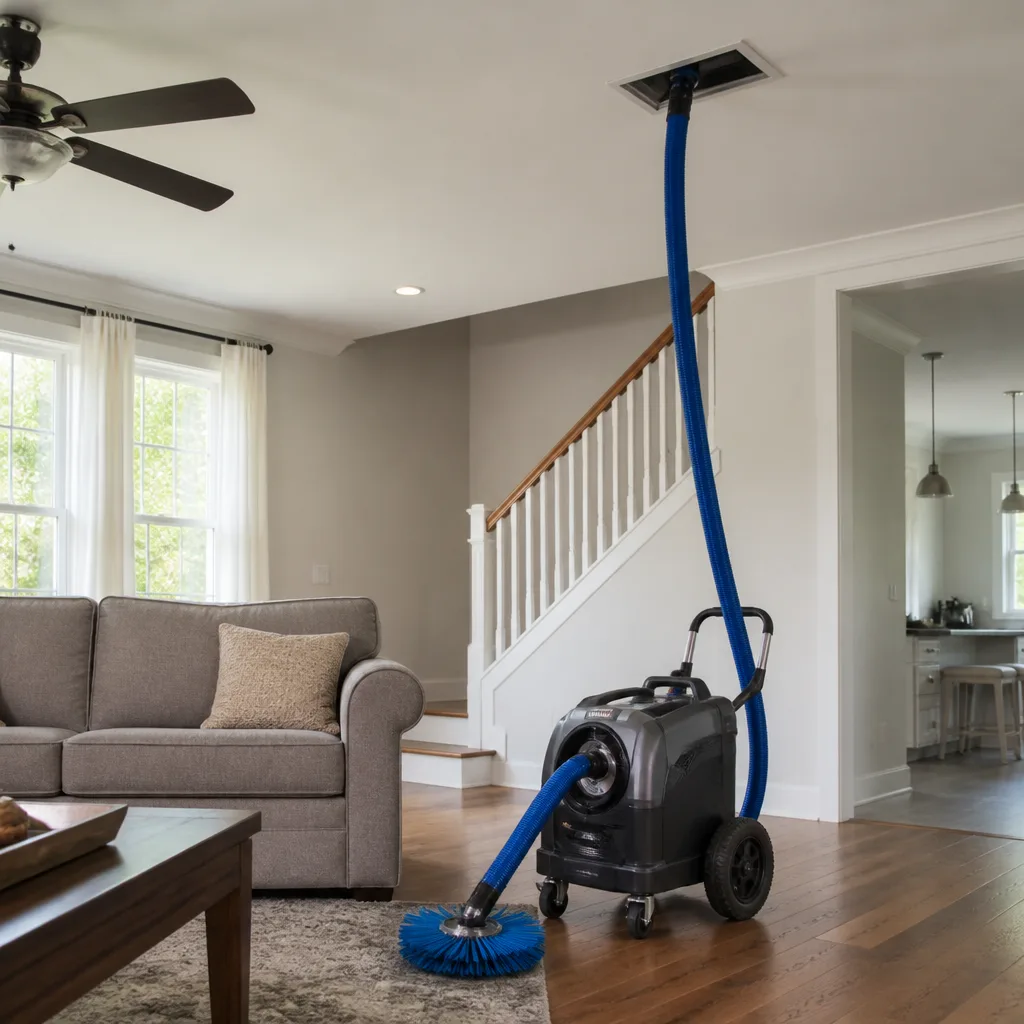
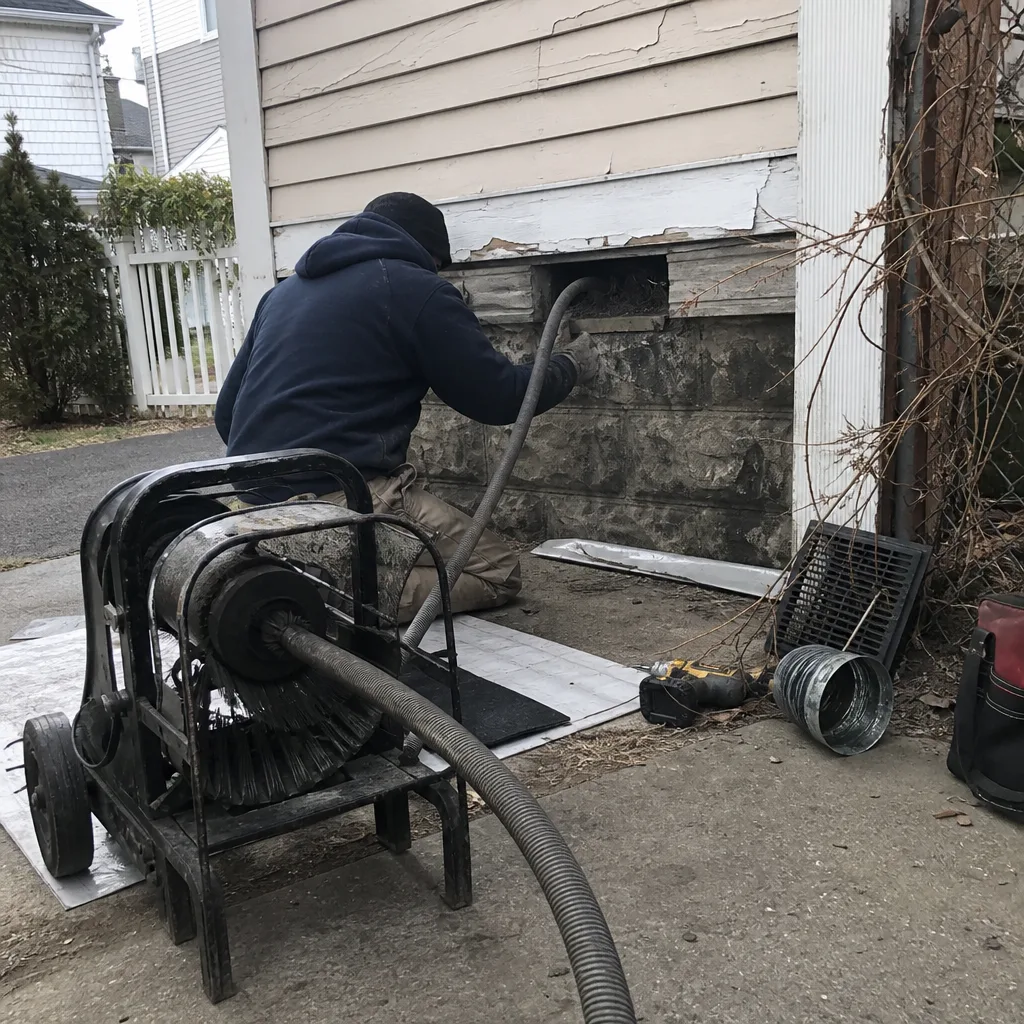
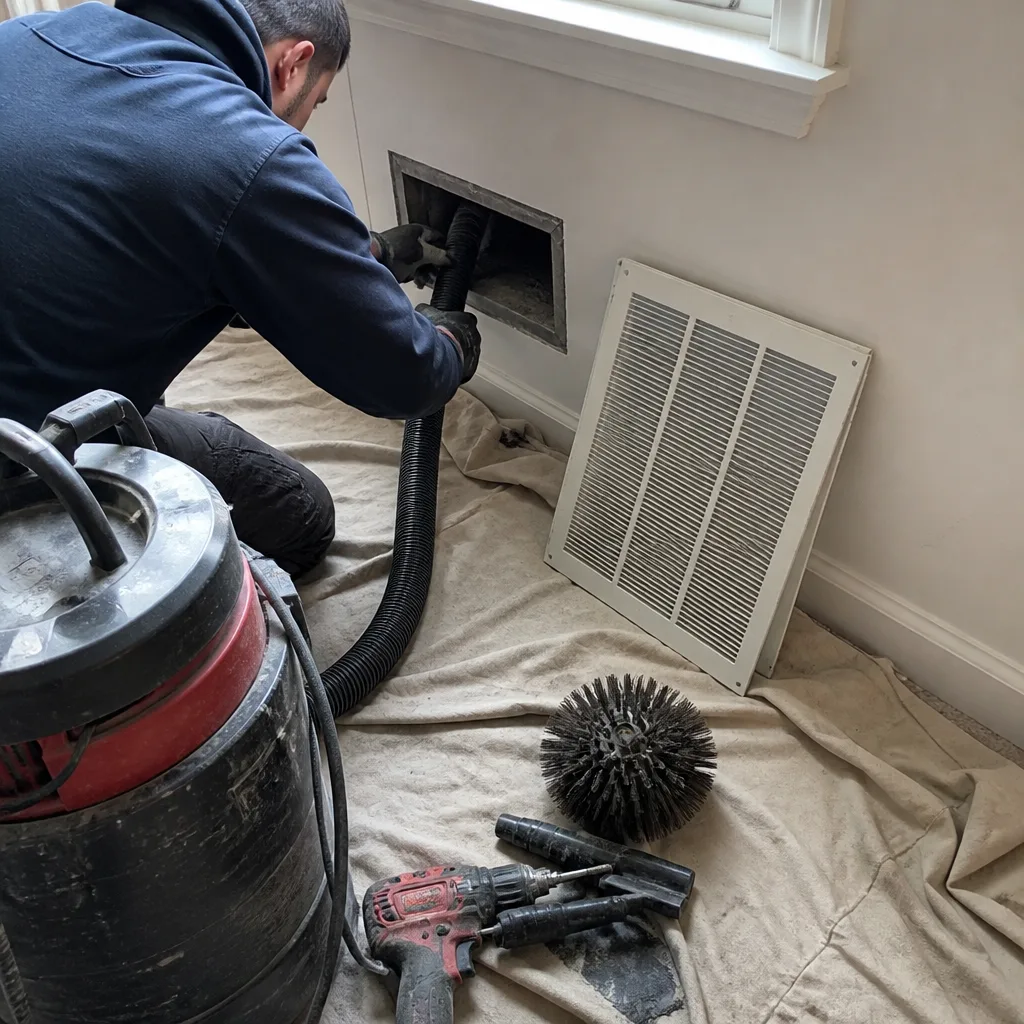
Rotobrush systems use a rotating brush head attached to a high-torque flexible shaft. The brush spins inside the duct while the attached vacuum simultaneously extracts what the brush dislodges. The key difference from a shop vac is the combination of agitation and extraction happening at the same time, at the point of contact. A shop vac attached to the end of a hose creates suction at the vent opening, but it does not agitate the walls of the duct itself, especially ten or twenty feet down the run. Debris that’s adhered to the duct walls just stays there.
Nikro systems work on the same principle but often use compressed air-driven tools that deliver higher torque, which matters in older ducts where buildup has hardened. The visual difference is significant. A proper mechanical clean removes a layer of debris that you can see in the extraction container. A shop vac pass removes whatever was already loose near the vent and leaves everything else exactly where it was.
There’s also the matter of negative pressure. Professional cleaning involves sealing off the duct system and placing it under negative pressure so that dislodged debris is pulled toward the extraction unit, not blown into your living room through the gaps around the vent covers. This is not a feature you can reproduce with a rental machine and a few vent brushes. It’s the difference between cleaning the ducts and simply rearranging the dust inside them.
Most of the systems we use at Mortons Air Duct Brooklyn are built around Rotobrush and Nikro equipment, which are the two brands most trusted in the professional cleaning industry. We also work with filtration and air quality components from Honeywell and Aprilaire when a system needs more than a clean, but the core of the work is the agitation-extraction cycle those machines perform.
Brooklyn Air Quality Factors That Accelerate Duct Buildup
Brooklyn’s air is not like the air in most of the country. What settles inside your ducts comes from specific sources, and understanding those sources changes how often you should clean and what you should expect to find when you do.
First, there’s street-level diesel particulate. Brooklyn is a borough of delivery trucks, buses, and construction vehicles. Fine diesel soot is heavy, sticky, and excellent at bonding with dust and pet hair. If you live near Atlantic Avenue, Flatbush Avenue, or any major truck route, your ducts are collecting more of this material than a home in a car-dependent suburb ever would. The soot also carries a slight oily residue that makes it adhere to duct walls rather than blowing through.
Second, there’s the subway. Not just the stations, but the elevated lines that run through neighborhoods like Sunset Park, Ditmas Park, and parts of Brownsville. Steel wheel on steel rail produces extremely fine metallic dust that gets airborne and enters homes through windows, door gaps, and fresh air intakes. That dust is abrasive and heavy, and it doesn’t remove itself.
Third, there’s the rooftop HVAC exhaust issue. In Brooklyn’s dense, attached housing stock, your neighbor’s bathroom exhaust, kitchen vent, or dryer vent can discharge within feet of your windows or your own HVAC intake. What leaves their home can easily enter yours. This is a uniquely urban problem, and it means your ducts may be accumulating debris that didn’t even originate in your own apartment or house. We see this frequently in attached row house blocks where dryer vents discharge into narrow air shafts.
Fourth, there’s pet density. Brooklyn households own more dogs and cats per square foot of living space than any suburban comparison, simply because the homes are smaller. A two-bedroom co-op with a golden retriever produces the same pet dander as a four-bedroom suburban house, but it’s concentrated in half the air volume. Add in the fact that Brooklyn homes are often closed up during the winter to hold heat, and you have an environment where particulate builds in ducts faster than the national average.
The practical takeaway: if national guidelines say to clean your ducts every three to five years, a home near the BQE with two cats and central air should be on the shorter end of that range, not the longer one.
The Step-by-Step Duct Cleaning Process
Here’s what a complete air duct cleaning in Brooklyn should look like when done properly, from arrival to final cleanup. This is the sequence we follow, and it’s a reasonable standard to judge any company against.
- Protection first. Before any equipment comes through the door, floors are protected. Shoe covers go on at the door, and drop cloths are laid along the path to the duct access points and the HVAC equipment. If there’s a dog or a toddler napping, we work around them, not through the schedule.
- System inspection. The technician opens the access panels, inspects the supply and return sides visually, and identifies the specific configuration. In Brooklyn, this step often reveals things a standard checklist wouldn’t: sealed-shut access panels, patched plaster over old returns, or duct runs that don’t match any diagram.
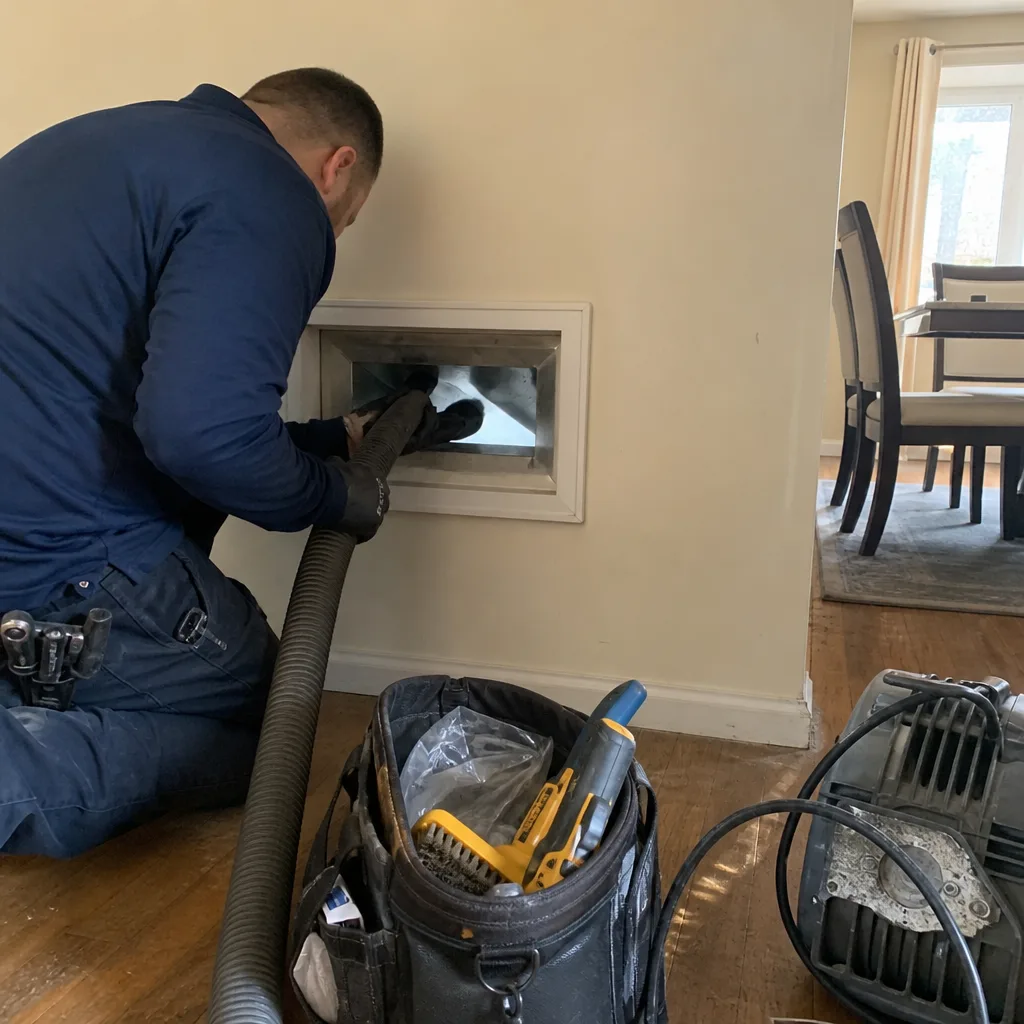
- Negative pressure setup. The extraction unit is connected to the system, and the ducts are sealed so that the entire air path is under negative pressure. Debris gets pulled toward the extraction point, not dispersed into the home.
- Mechanical agitation. The rotating brush or air-driven agitation tool is run through every accessible supply and return duct. This is the step that separates professional cleaning from a superficial vacuum pass. The agitation breaks the bond between debris and duct walls so the extraction system can remove it.
- Vent-by-vent treatment. Each register cover is removed, cleaned, and reinstalled. The duct opening behind each register gets individually treated before the cover goes back on.
- Plenum and return air cleaning. The main supply plenum, the return air chamber, and the blower compartment are cleaned with the same agitation-extraction method. This is where a large share of the debris actually lives, and skipping it is a common way to do half a job.
- Filter replacement or inspection. If you have a standard 1-inch filter, it should be replaced. If you have a media cabinet from a brand like Aprilaire, it gets inspected and changed if needed.
- Final walkthrough and photo documentation. Before we leave, we photograph the clean access points and the extraction debris. You should not have to ask for proof that the work was done. It should be offered.
The entire process typically takes 3 to 6 hours for an apartment or a single-family row house, depending on the number of vents and the condition of the system.
How to Verify the Work Was Actually Done
Air duct cleaning is one of those services where it’s easy to fake the outcome if the customer doesn’t know what to look for. Here’s how to verify that a real clean happened before the technician leaves.
First, ask to see the extraction debris. A professional cleaning should fill some portion of the collection container with dust, hair, and particulate that you can see. If the container is empty after a full system clean, either the ducts were already spotless or the work wasn’t done.
Second, look inside the ducts. The technician should show you the inside of the supply plenum and at least one duct run before and after. After the clean, the interior surfaces should look like bare metal or fiberglass, not like a dusty attic floor. Use your phone camera if you need to. A legitimate company will not object to this.
Third, check the access panels. All access panels that were opened should be resealed properly, not left loose or covered with duct tape. If the job required cutting a new access point, that point should be sealed and explained to you before anyone leaves.
Fourth, run the system. Have the technician run the blower for a few minutes before they pack up. You should not see dust puffing from the vents, and you should notice a difference in the air moving through the system. It should feel cleaner.
At Morton’s, every completed job includes a photo of the cleanup before the crew leaves. It’s a simple practice, but it means you never have to wonder whether the house is in the same condition as when we arrived. The floors are protected from the moment the crew walks in, and you see the proof before the door closes.
Why a 365-Day Guarantee Matters More Than a Single Post-Clean Inspection
Most duct cleaning companies offer a post-clean inspection. They clean the ducts, show you the result, and that’s the end of the relationship. If something wasn’t done right, you find out weeks later when the dust starts resettling, and by then the company has moved on to the next job.
A 365-day guarantee changes that equation. It’s not just a promise that the job was done right on the day of the service. It’s a commitment that the company will stand behind the work for a full year, which means they have a financial incentive to do it correctly the first time. We build every job around a 365-Day Done Right Promise, because that’s the only kind of guarantee that has any teeth in Brooklyn, where the next heating season always comes around and the house always gets closed up again.
What should a year-long guarantee cover? At minimum, any area of the system that was cleaned should remain free of the specific accumulation that was removed. If the dust comes back within months, the cleaning either missed part of the system or failed to address the source. A real guarantee means the company comes back and makes it right without re-quoting the job. It also means the company’s process was thorough enough that they’re confident agreeing to it in writing before work begins.
The 365-Day Done Right Promise has been part of every job we’ve done as a member of the Cedarwell family of companies. It’s stamped on the work, not just offered when a customer complains. That’s the distinction that matters.
Common Mistakes to Avoid
- Hiring a coupon company that headlines a per-vent price. A per-vent price is a bait-and-switch waiting to happen, especially in Brooklyn homes with non-standard duct configurations. The number of vents gets miscounted, or “additional” charges appear for the plenum, the return side, or the blower. Get one flat price for the entire system before work starts.
- Skipping the return side. Many budget cleaning services only clean the supply ducts and leave the return air path untouched. In Brooklyn, the return side often holds the most debris because it pulls from the living space where pets and people spend all their time. Ask explicitly whether the return plenum and return ducts are included in the quote.
- Assuming the building’s age means the ducts don’t need cleaning. If your brownstone or post-war apartment never had central air, you might think there’s nothing to clean. But a surprising number of Brooklyn homes have ducts they didn’t even know existed, often from a previous owner’s renovation. Let a technician actually look before deciding.
- Using a shop vac instead of a professional clean. This is the most common DIY frustration we see. A shop vac simply cannot reach past the first few feet of duct, and it does nothing to agitate debris on the walls. You’ll spend a weekend and end up with the same dust resettling a month later.
- Not replacing the filter after the clean. A freshly cleaned system with an old clogged filter will recirculate dust immediately and undo part of the benefit. The filter is a consumable, not a permanent part. Replace it on the same day the cleaning is done.
- Choosing a company that doesn’t protect your home before starting. In Brooklyn apartments, your floors, your furniture, and your pet’s favorite corner all need protection before the hoses come through. A company that walks in with dirty work boots and no drop cloths will leave more mess than they remove.
When to Call a Professional
Call a professional when you notice dust accumulating on surfaces within days of cleaning the house, when the air from your vents has a stale or musty smell, or when someone in the home has unexplained allergy symptoms that improve when they’re away. Also call if you’ve recently completed a renovation. Brooklyn renovations are notorious for filling duct systems with plaster dust and construction debris, and that material does not leave on its own. If you’ve lived in the home for more than three years and can’t remember the last time anyone looked inside the ducts, that’s the signal. Dryer vent cleaning in Brooklyn is a separate but related service that addresses the single most common fire risk in urban laundry setups. Mortons Air Duct Brooklyn offers free estimates in Brooklyn. Call (607) 536-9605 and a live person will answer, day or night.
Frequently Asked Questions
Expect to pay between $450 and $900 for a full system cleaning in a typical Brooklyn apartment or row house. Smaller one-bedroom units with a few vents trend toward the lower end, while larger homes with multiple systems or significant buildup trend toward the upper end. The full price should be provided in writing before any work starts, with no per-vent pricing games. Call (607) 536-9605 for an exact quote for your home. Estimates are free.
Every three to five years is the standard interval, but Brooklyn homes near major truck routes or elevated subway lines, or homes with multiple pets, should lean toward the shorter end. If you live right off the BQE or on a block with heavy construction turnover, every three years keeps the system from reaching the point where buildup is visible around the vent covers. Homes with new central air systems and minimal pets can often go five years.
Ask to see the extraction debris, look inside the ducts before and after, and confirm that the return air side was cleaned, not just the supply vents. The interior surfaces should look clean, not dust-glazed. A company that offers a 365-day guarantee is also putting their work behind a promise that rewards doing it right the first time. Always ask what the guarantee covers in writing.
Cheap quotes usually mean fewer steps: no return-side cleaning, no negative pressure setup, no mechanical agitation, no floor protection, and no plenum work. The technician may only vacuum the visible vent openings and call it done. In Brooklyn specifically, some low-ball operators assume customers won’t look past the register covers. A legitimate whole-system clean cannot be done properly for the kind of per-vent coupon prices you see advertised around the borough.
It can, especially in Brooklyn homes where diesel soot, pet dander, and construction dust accumulate inside the duct system and recirculate through the living space every time the system runs. A thorough cleaning removes that reservoir of particulate. If someone in your home has dust mite or pet allergies, treating the ducts is part of the solution, along with better filtration and regular cleaning of the living space itself.
Yes, and it’s common across Brooklyn, from pre-war co-ops in Brooklyn Heights to post-war rental buildings in Sheepshead Bay. The process is contained within your unit’s duct runs, and a professional crew works without disturbing neighbors or common areas. Coordination with your building management may be needed for access to rooftop or basement HVAC equipment, but the cleaning itself happens entirely inside your apartment. Call (607) 536-9605 to discuss the specifics of your building.
The Bottom Line
Brooklyn’s older buildings, street-level particulate, and dense pet population create a duct cleaning environment that generic national advice doesn’t address. The right approach depends on the era of your building, the configuration of your ductwork, and the sources of pollution around your block. What matters regardless of building type is that the cleaning is done with professional agitation-extraction equipment, covers the entire system including the return side, and comes with a written price and a guarantee that outlasts the first week. For how to hire the right contractor, start with these steps. For Brooklyn families with kids and pets, the house should look and feel cleaner after the work, with the floors protected during it. Paul Adeyemi and the team at Morton’s Air Duct Brooklyn have been doing this work in Brooklyn since 2005, with a 365-Day Done Right Promise on every job. Call (607) 536-9605 for a free estimate, and a live person will answer.
Written by Paul Adeyemi, Owner at Mortons Air Duct Brooklyn, serving Brooklyn since 2005.
See the difference
 Before
 After
After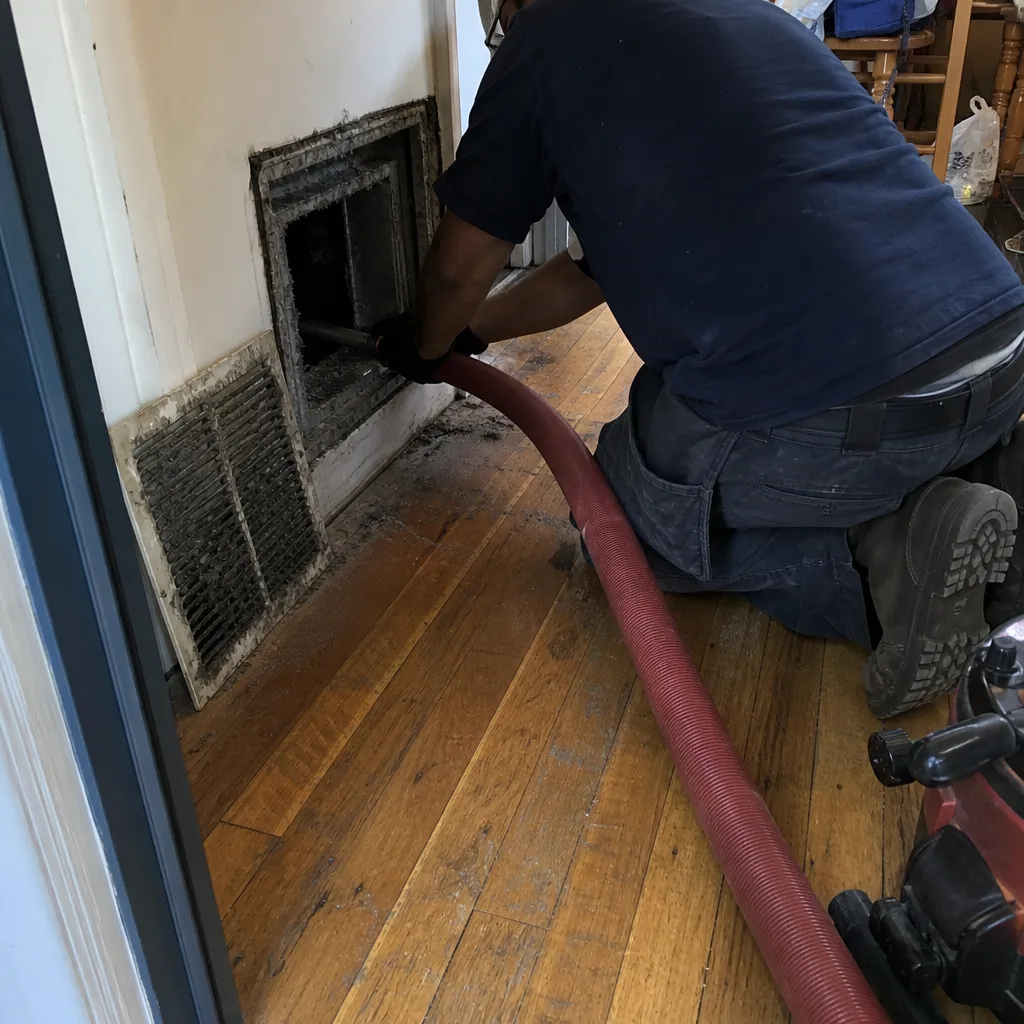 Before
 After
After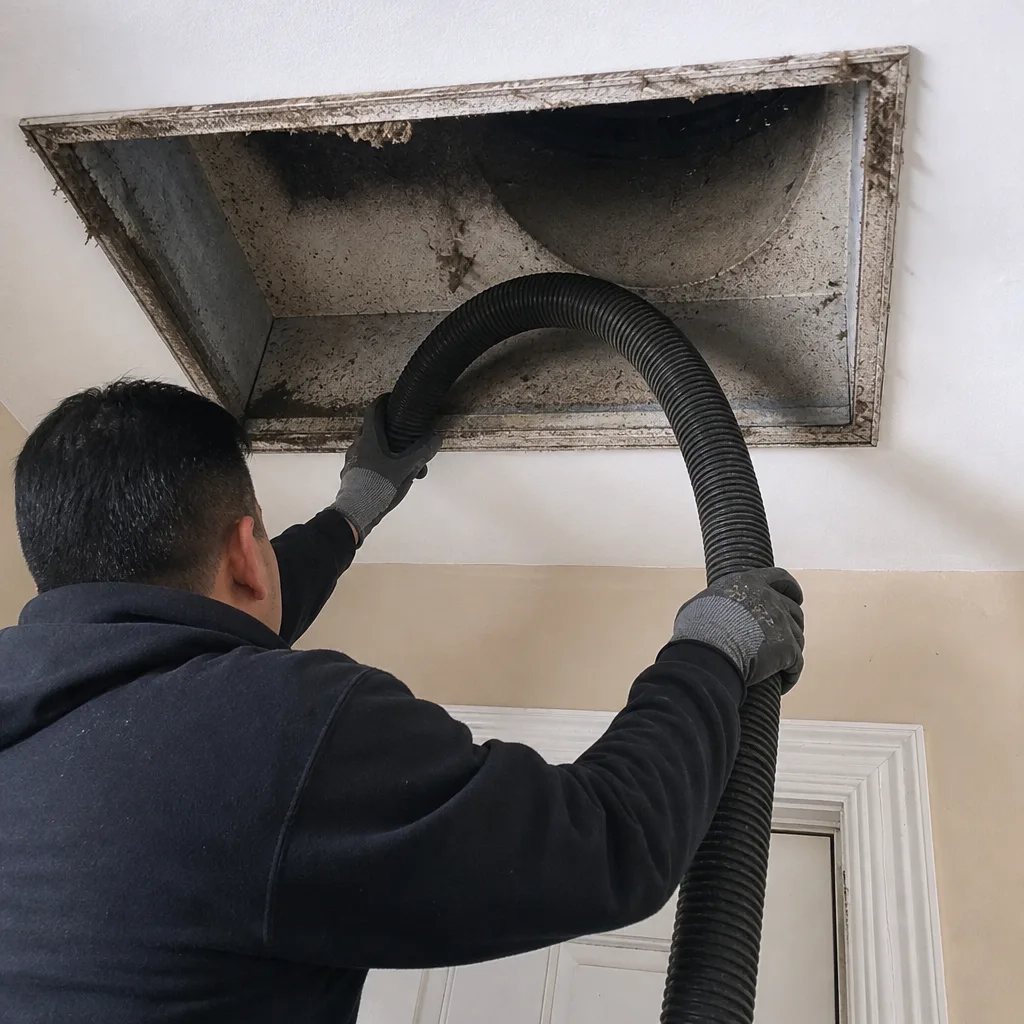 Before
 After
After