
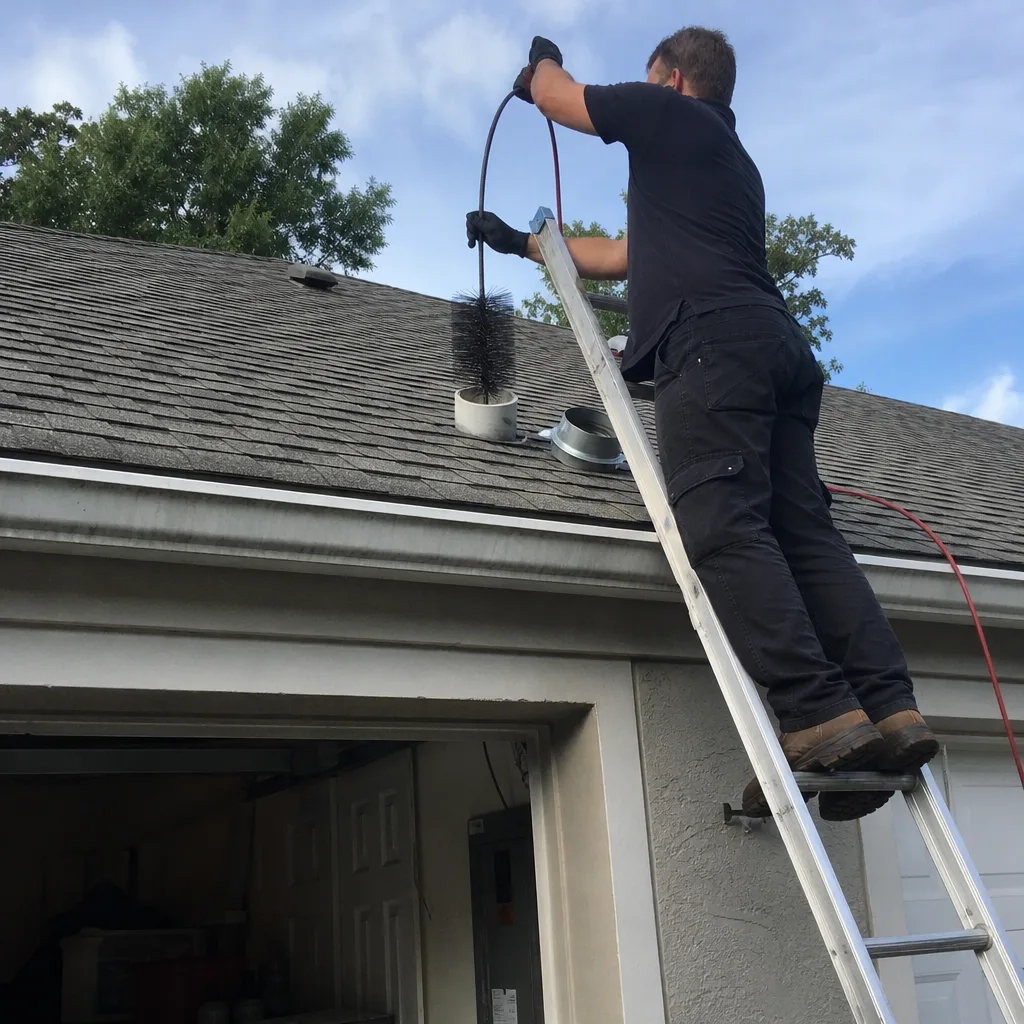
Last updated October 15, 2026
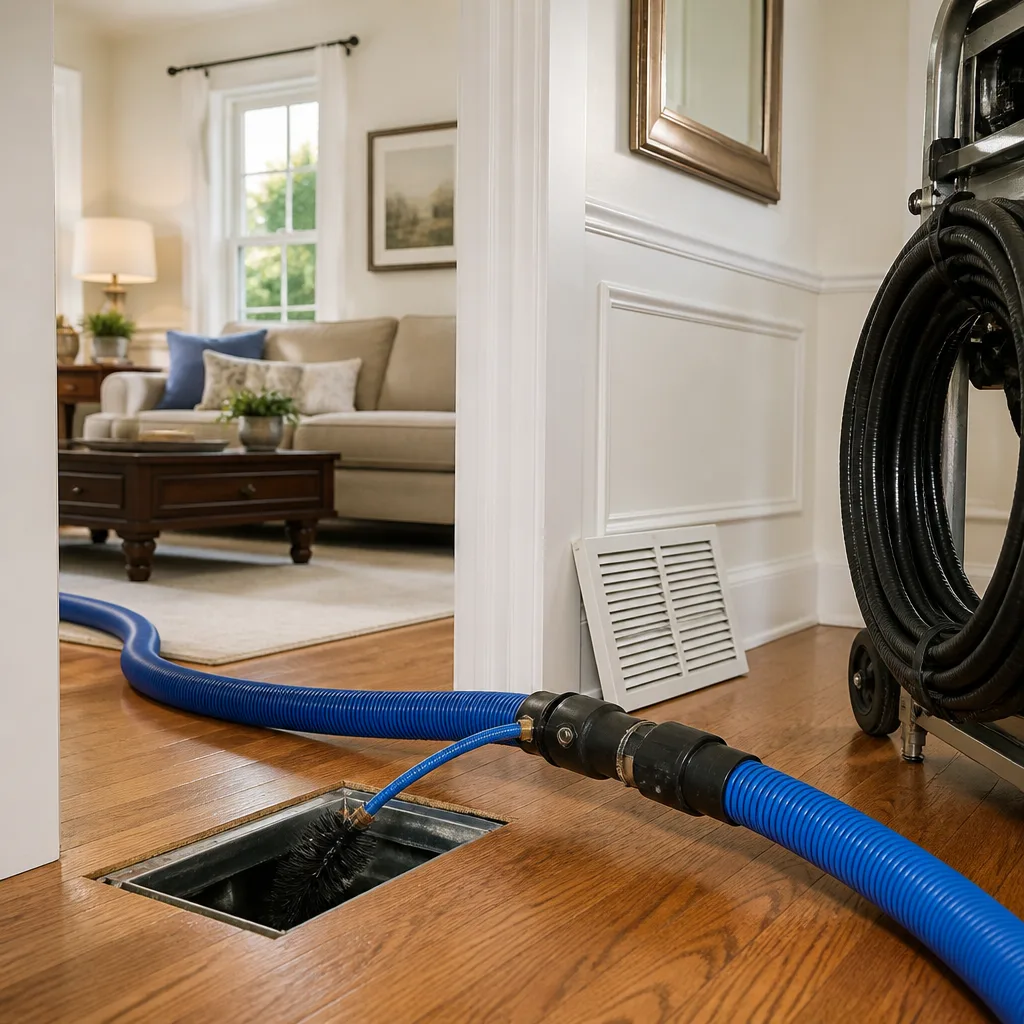 Whole-home duct cleaning
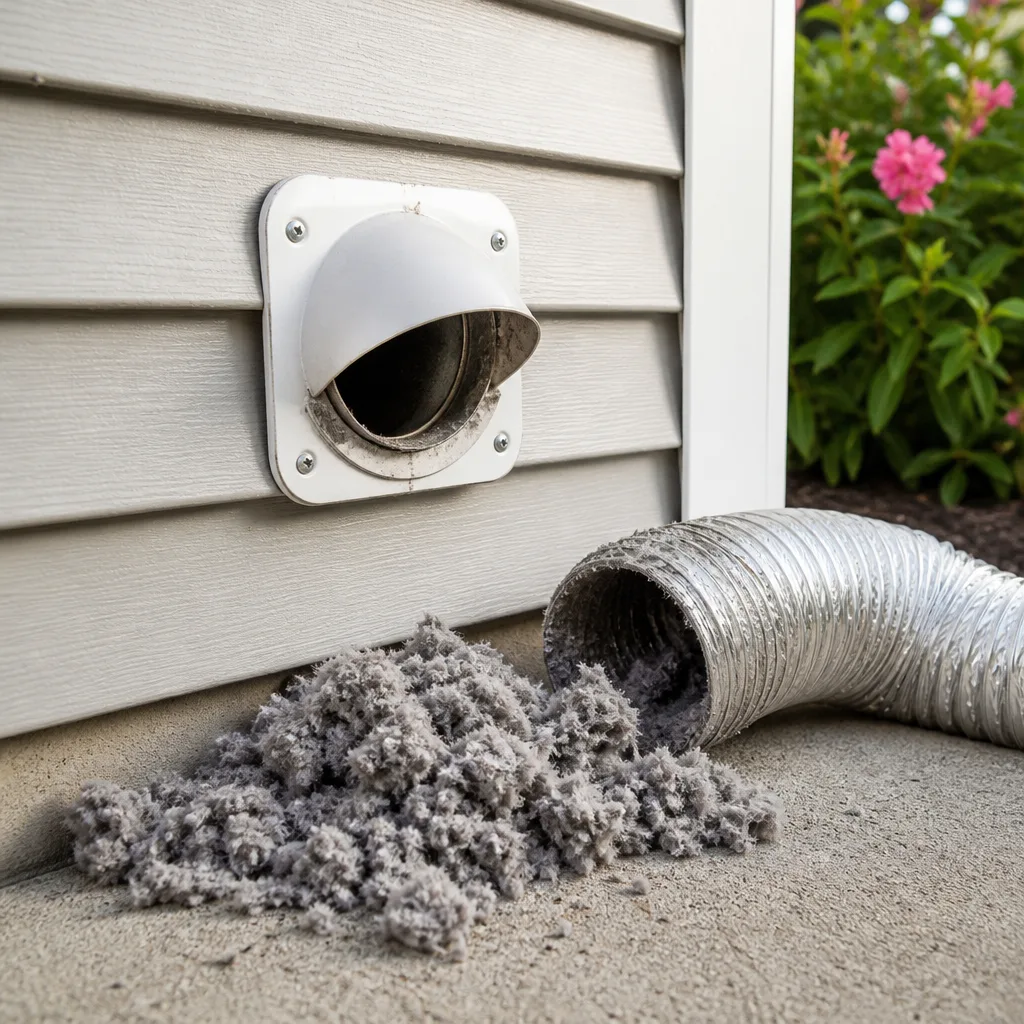 Dryer vent cleaning
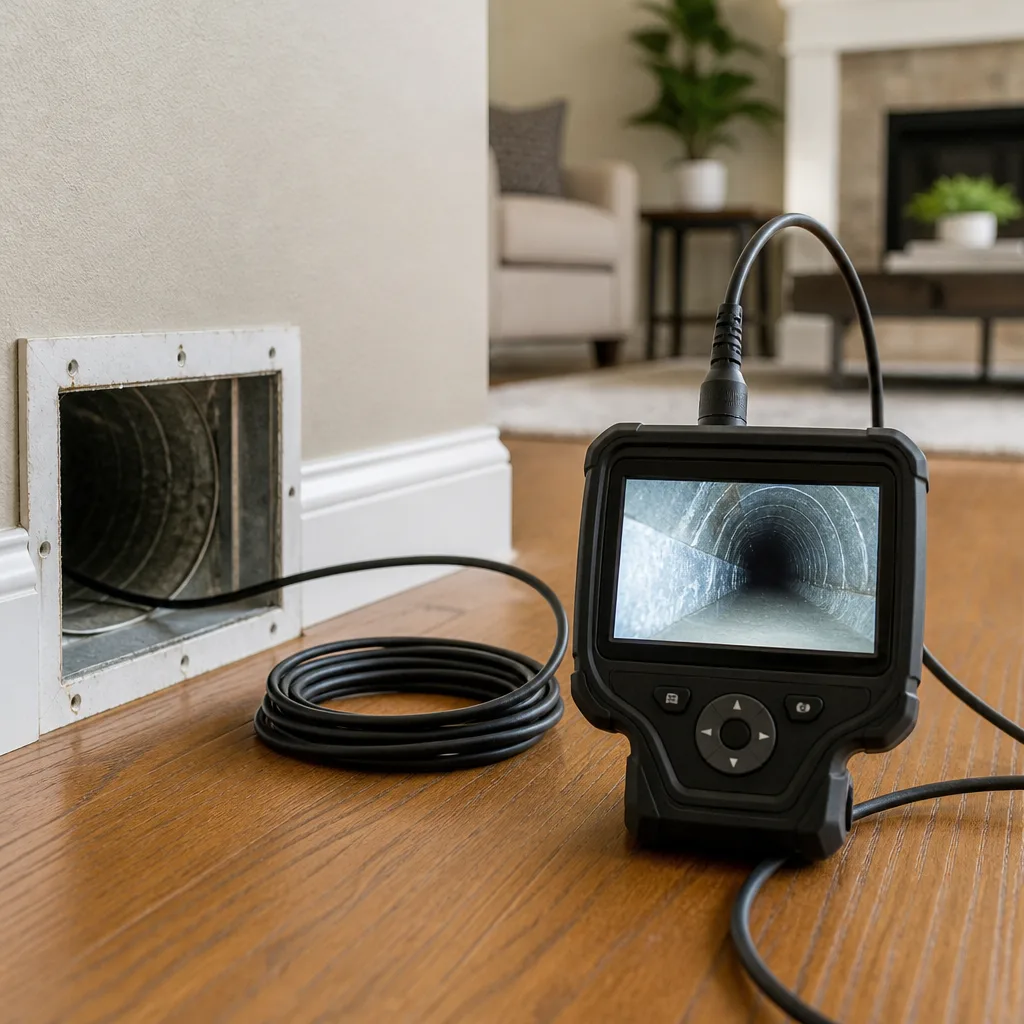 Camera inspection
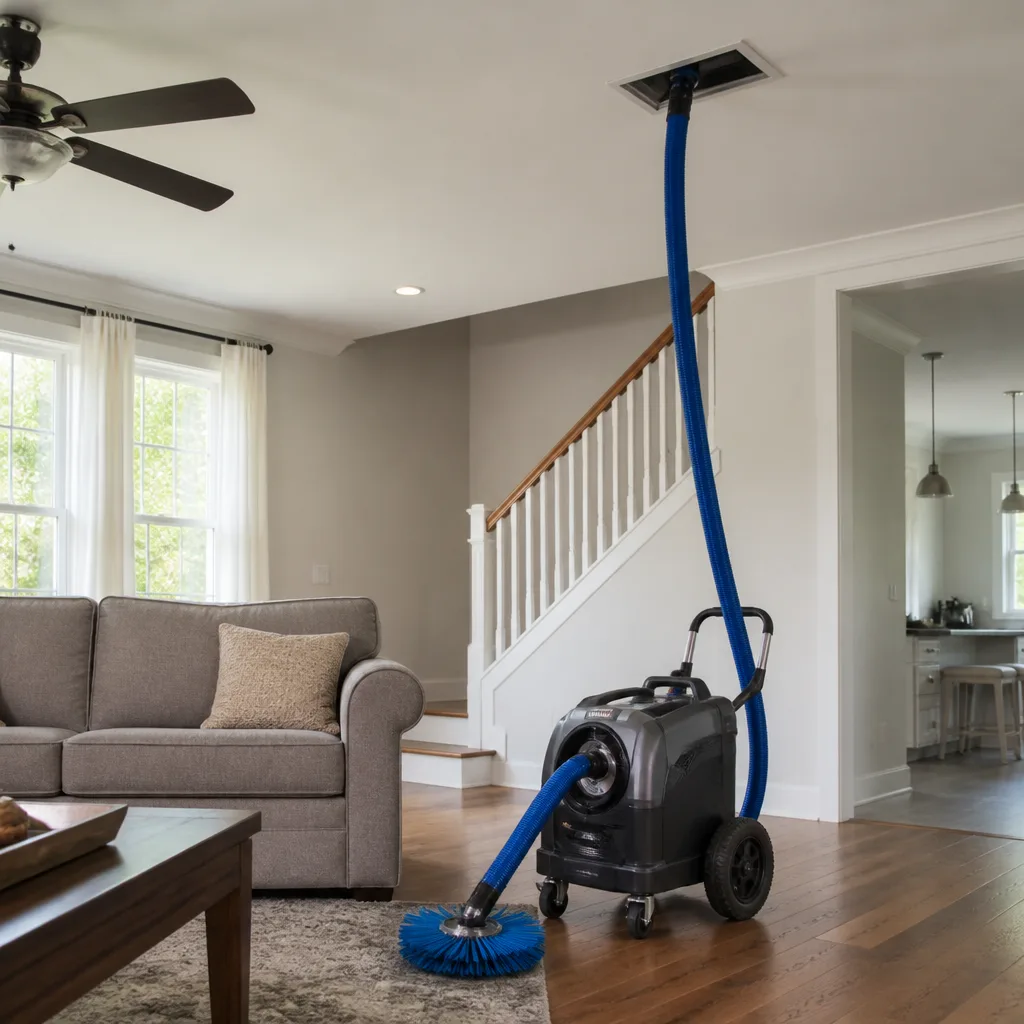 Sanitizing & deodorizing
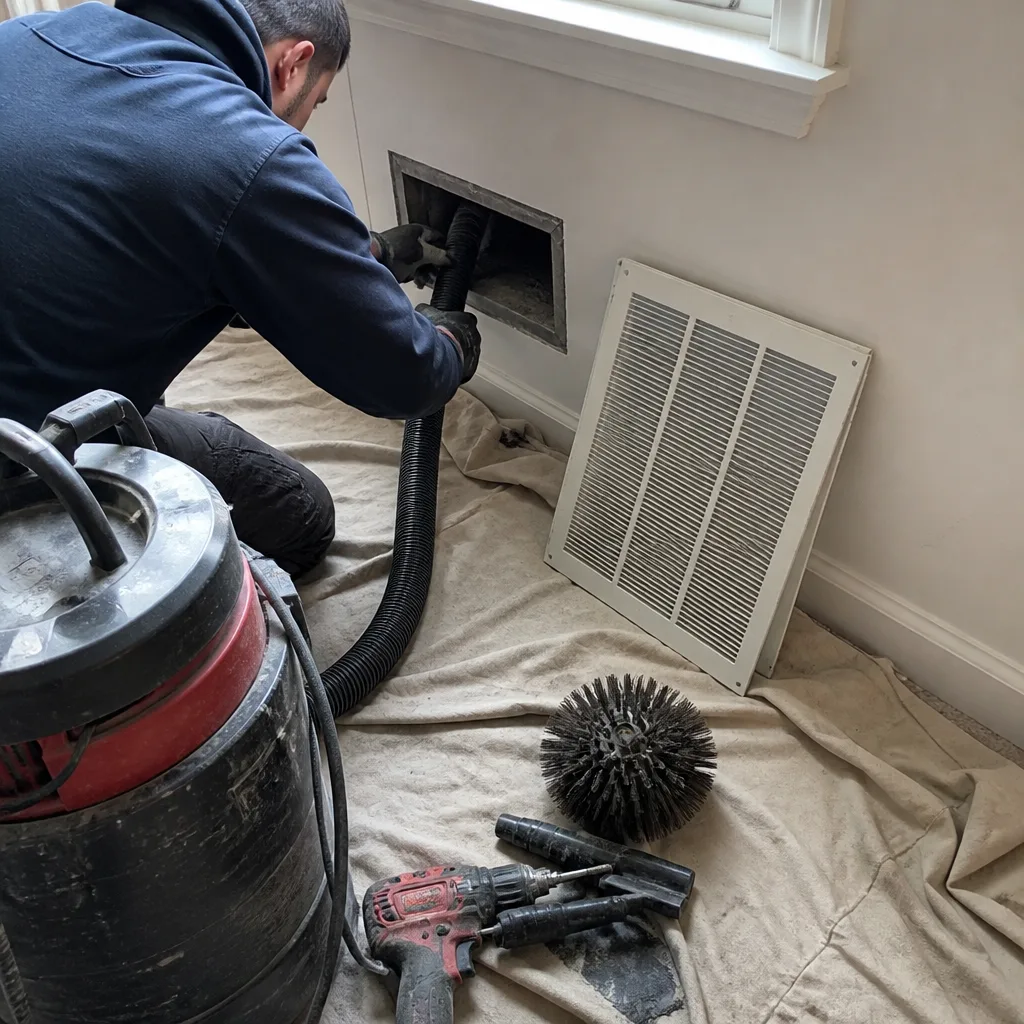
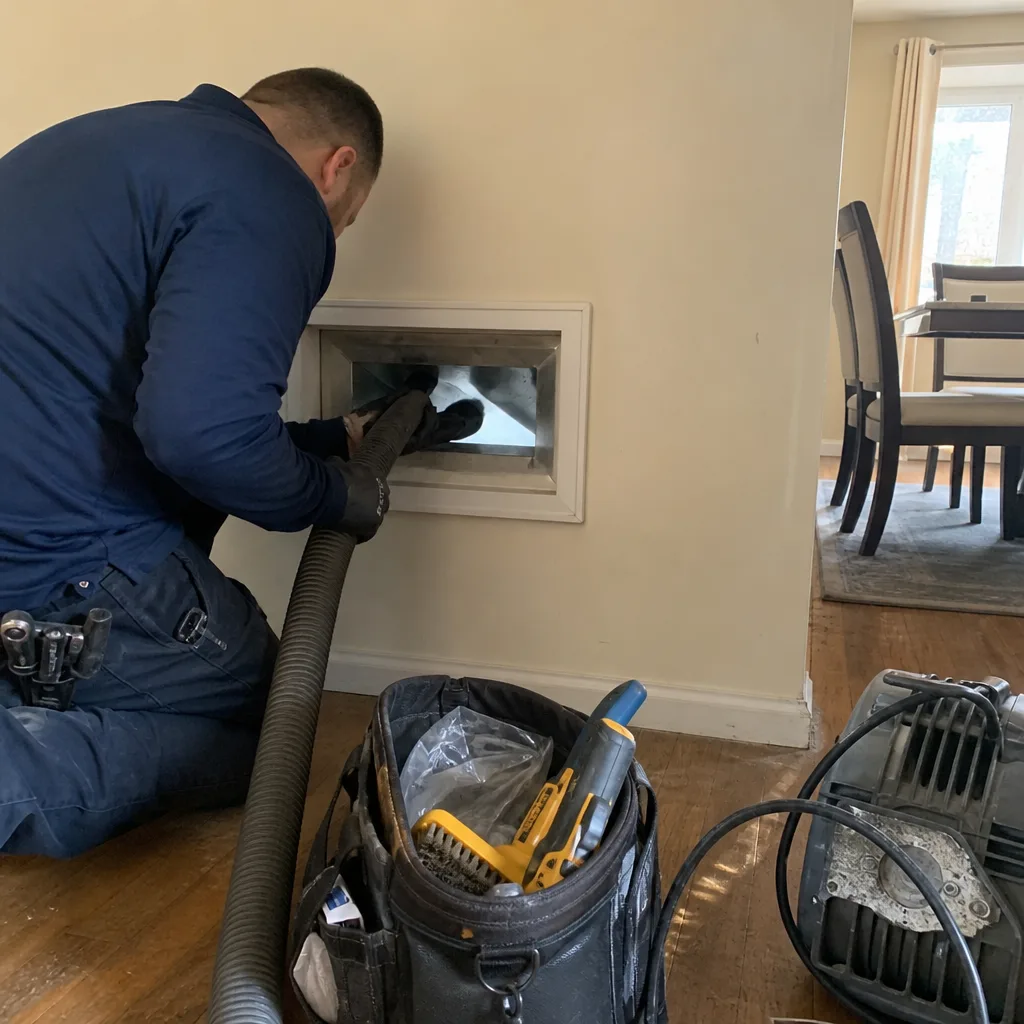
Whole-system duct and dryer vent check with before-and-after photos - you see exactly what came out of your vents
That "$99 whole-house special" is a bait ad - the real number appears once they are in your hallway, or the "clean" is a shop-vac at the register. We photograph the inside of your ducts before and after instead.
Air Duct Cleaning Maintenance Checklist for Brooklyn Homeowners
The single most skipped maintenance step in Brooklyn homes costs nothing and takes four minutes: pulling a return vent cover and looking at what’s collected there since the last filter change. Most homeowners in Park Slope, Bay Ridge, and Flatbush replace their HVAC filter on schedule but never actually look at the vent covers, the return grilles, or the registers themselves. That’s where the story lives. In the next few minutes, you’ll learn exactly what to check, when to check it in a Brooklyn calendar, how to adjust for kids and pets, and what to photograph between professional visits so that when you do call a company like Mortons Air Duct Brooklyn home, the conversation starts with evidence, not guesswork.
Quick Answer
A Brooklyn homeowner’s duct maintenance checklist should include five observable signals: return vent residue, supply register dust patterns, filter condition at seasonal changes, airflow consistency across rooms, and any unusual smell when the system kicks on. Most households with central air should inspect these points quarterly and change filters every 60 to 90 days; households with dogs, cats, or young children should shorten that to every 30 to 60 days. Scheduling a professional air duct cleaning in Brooklyn once every three to five years is a reasonable baseline, adjusted earlier if the visual checks turn up anything more than light dust.
Styles & brands we work with
Table of Contents
- The Brooklyn-Specific Maintenance Calendar
- Five Visual Signals You Can Check Without Tools
- Adjusting the Schedule for Kids, Pets, and Brooklyn Dust
- The Safety Line: What You Can Do and What Needs a Pro
- What to Document Between Professional Visits
- Common Mistakes to Avoid
- When to Call a Professional
- Frequently Asked Questions
The Brooklyn-Specific Maintenance Calendar
Brooklyn’s ductwork works on a seasonal rhythm that follows the school calendar and the heating season more than it follows any generic national advice. We’ve cleaned enough duct systems through our Air Duct Cleaning services in brownstones, pre-war co-ops, and newer condo buildings across this borough to know that September and October are the real turning points. That’s when heat kicks on for the first time in months, pushing air through ductwork that has been sitting with whatever summer left behind: dust, pollen, construction debris from a neighbor’s renovation, or the fine grit that blows in from Flatbush Avenue on a dry day.
Here’s the month-by-month calendar that fits how Brooklyn actually lives:
- January and February: Peak heating months. Check the filter at the start of each month. Radiator-heated buildings with central air still move air through ducts for cooling season; don’t assume a boiler means no ductwork.
- March: The shoulders of winter and spring. Inspect return grilles for accumulated winter dust. If you ran portable humidifiers for dry radiator heat, look for condensation-related buildup around return vents.
- April and May: Tree pollen season across Brooklyn’s tree-lined streets, especially near Prospect Park, Fort Greene Park, and the quieter blocks of Ditmas Park. Change the filter when you notice a film of yellow-green dust on window sills; that same pollen is entering the return air stream.
- June: First sustained air conditioning use. You’re now cooling through the same ductwork that carried heat all winter. Listen for any change in airflow sound and note whether some rooms stay warmer than others. That’s a signal, not a nuisance to ignore.
- July and August: Peak cooling load. Humidity in Brooklyn summers puts moisture load on duct interiors, particularly in basement units and garden-level apartments where condensate and humid air meet. Check for musty smell when the AC cycles on; that’s frequently a duct issue rather than a unit issue.
- September and October: The single most important inspection window in Brooklyn. Before the heat kicks on, pull one return vent cover and look. If construction happened in your building over the summer (and in Brooklyn, it probably did somewhere nearby), drywall dust, plaster, and general debris traveled through shared air pathways and often into individual unit ducts.
- November and December: Holiday season means more cooking, more people indoors, and in many Brooklyn homes, more candles and fireplace use. That all adds particulates to the air stream. A filter change in early December often shows visibly darker material than a March change.
This calendar matters because Brooklyn’s building stock skews old. Pre-war buildings have larger duct runs, sometimes original sheet metal, and tighter clearances around returns. What works for a suburban single-family home in a 2005 construction does not automatically translate to a 1920s co-op on Eastern Parkway. The inspection rhythm has to match the building.
Five Visual Signals You Can Check Without Tools
You don’t need a camera scope or a technician’s training to gather useful information about your ductwork. You need a flashlight, a damp paper towel, and four minutes. Here are the five signals we tell every Brooklyn homeowner to look for, and what each one actually means.
1. Return vent residue that looks like felt. Pull a return vent cover (the larger grille, usually on a wall or ceiling in a hallway). Run a finger along the back side of the grille. If you feel a soft, dense mat of gray material, that’s a mix of skin cells, textile fibers from clothing and bedding, pet dander, and fine street dust. Light dust is normal. Felt-like coating means the return side of your system is doing a lot of work and the filter isn’t catching everything.
2. Gray streaks around supply register edges. Supply registers are the smaller vents that blow air into rooms. Look closely at the wall or ceiling around each register. Gray or brown streaks radiating outward, especially on the side opposite the airflow direction, mean particles are getting past the filter and sticking to surfaces. This is one of the most common things we notice in Brooklyn homes more than it appears in other markets, simply because so many buildings share walls and floors with other units’ renovation activity.
3. Uneven dust accumulation on furniture surfaces by room. If one bedroom collects a visible dust film on the dresser every four days while the living room stays clean for two weeks, compare the registers. A partially blocked duct or a damper stuck partly closed will reduce airflow in that room, which paradoxically allows more particulates to settle rather than be carried away. The dust pattern tells you where the restriction is.
4. Filter condition that changes color quickly after replacement. Install a new filter. Check it in 30 days. If a standard 1-inch filter has gone from white to medium brown in a month in a Brooklyn apartment, the air return path is pulling from a dusty environment. This isn’t a filter failure; it’s information about what’s in the air and likely in the ductwork itself. Every time you change a filter, tag it with the date and a one-word condition note on the cardboard frame. You’re building a record without trying.
5. The smell test at startup. The first five seconds after a system cycles on are diagnostic. A mechanical or electrical smell points to the HVAC unit, but a musty, sour, or stale-cooking smell that fades after 30 seconds points to the ducts. In Brooklyn, that stale-cooking component is common in multi-unit buildings where shared exhaust pathways carry neighbor scents. We call it the brownstone nose: it comes and goes, but when it settles in the ducts, it doesn’t leave on its own.
Adjusting the Schedule for Kids, Pets, and Brooklyn Dust
Standard advice says inspect quarterly and change filters every 90 days. That works for a childless couple without pets on a high floor. It does not work for a family in a two-bedroom in Kensington with a golden retriever, a cat, and a toddler who treats the living room floor as a racetrack.
Here’s how to adjust based on what’s actually in your household:
- One dog, no cats: Shorten filter changes to every 60 days. Dog dander is heavier than cat dander and tends to settle in return ducts and corners of registers. You won’t see it on the filter as dramatically, but you’ll feel it as a gradual loss of airflow.
- One or more cats: Shorten to every 30 to 45 days. Cat dander is smaller and stickier; it works its way past standard filters and accumulates on duct walls. If your cat sleeps near a return vent, place a washable electrostatic pre-filter over that specific return and rinse it monthly.
- Toddler or crawling-age child: Add a monthly visual check of supply registers in the child’s room and any play area. Kids at floor height are closer to whatever gets blown out of a duct, and they spend more time breathing from that lower air layer. If the register blows visible dust when the system starts, that’s a professional-cleaning trigger, not a wait-and-see.
- Multiple pets plus a child: Inspection every 30 days, filter every 30 days, and realistically, professional cleaning every two to three years instead of every three to five.
- Renovation in your building or adjacent unit: Treat the next 60 days as a high-alert period regardless of pets or kids. Check the return vent weekly. Construction dust is abrasive and can score older blower motors and seals; it’s worth intercepting early.
One more Brooklyn-specific variable: if you live within a block of a major arterial road (Flatbush Avenue, Atlantic Avenue, Fourth Avenue, Ocean Parkway), your windows, sills, and ducts collect brake dust and road particulates at a meaningfully higher rate than on interior blocks. Windows open in good weather means that same air enters the return path. Add one extra filter change per year if this describes your block.
The Safety Line: What You Can Do and What Needs a Pro
There’s a clear line between homeowner maintenance and work that should only be done by a trained technician. Knowing that line protects you, your family, and your system. Here it is, spelled out plainly.
Safe for a homeowner to do:
- Remove and clean vent covers and register grilles with warm water and mild dish soap. Let them dry fully before reinstalling.
- Change HVAC filters on schedule. Yes, this is safe, and yes, it matters.
- Wipe down the accessible interior surface of a return boot (the metal box behind the return grille) with a damp cloth if you can reach it with your hand.
- Photograph the interior of duct runs visible through an open vent using a phone flashlight.
- Vacuum loose dust from around the vent opening using a brush attachment, not by pushing a hose deep into the duct.
Not safe for a homeowner to do, and why:
- Anything requiring you to open the plenum or access the air handler. The blower and coil area contains moving parts, sharp sheet metal edges, and in many Brooklyn buildings, tight clearances that make an amateur more likely to cut a hand than find the problem.
- Applying any cleaning chemical, sanitizer, or deodorizer inside ductwork. These products interact differently with different duct materials. Spraying the wrong product into an older sheet metal duct in a pre-war building can create lingering chemical smells that are harder to remove than the dust was. Professional systems from Rotobrush and Nikro are designed to clean mechanically and, when appropriate, apply products under controlled airflow that carries them out of the living space.
- Removing or adjusting internal dampers. A damper stuck in place or a handle that’s moved can throw off balanced airflow for an entire floor. This is one of the most common things we find after a well-meaning homeowner tries to fix a hot room by reaching into a duct with a coat hanger.
- Any work on a duct run you cannot see in its entirety. If you cannot see where the duct goes, you cannot know what’s connected to it. In multi-unit Brooklyn buildings, some duct runs pass through common spaces or adjacent units. Poking a vacuum hose into that run can dislodge material into a neighbor’s system.
Call a professional when the work requires tools you don’t own, access you can’t see, or materials you wouldn’t apply without knowing the duct composition. That’s the honest half of the checklist. The other half is the documentation habit below.
What to Document Between Professional Visits
Most Brooklyn homeowners call a duct cleaning company with no record of what they’ve observed over the past two or three years. The phone call becomes a list of vague symptoms: “it feels dusty,” “one room is warmer.” That’s not a failure on the homeowner’s part; it’s a missing habit. Here’s the documentation habit that makes your next professional visit faster, more accurate, and more useful to you.
Step 1: Create a simple note on your phone titled “Ducts” and pin it. Every time you change a filter or inspect a return, add one line: date, condition, action. Three examples:
- “March 14, filter change. Old filter was medium brown with visible pet hair at edges. New filter installed.”
- “June 2, return vent in hallway. Light gray dust on grille back. Wiped clean with damp cloth.”
- “September 18, musty smell for 15 seconds when AC cycled on. Did not recur. Noted for next check.”
Step 2: Photograph the same two spots every time. Pick one return grille and one supply register. Photograph them from the same angle each visit. Over a year, you’ll build a visual timeline of accumulation rates. This is exactly the evidence our technicians use to confirm a cleaning was needed or to reassure a homeowner that their system is, in fact, performing normally.
Step 3: Note any building events. Neighbor renovation, roof work, boiler replacement in the basement, or a building-wide exterminator visit are all events that can introduce material into duct systems. Add a one-line note with the date and event. When you eventually schedule a cleaning, that context helps the technician know what to expect before they arrive.
Step 4: Keep the filter frames. Or at least photograph the filter before throwing it away. The condition of filters over time is one of the most useful diagnostic logs a homeowner can hand to a technician. It tells us whether the system’s filtration is sufficient, whether air is bypassing the filter (a very common issue in older Brooklyn installations), and whether the return path has an upstream dust source.
This takes ten minutes per quarter. Over three years, it produces a record that makes the conversation with any service provider entirely different. Instead of “I think it’s dusty,” you’re saying “here’s what my hallway return has looked like every March since 2023.” That’s the difference between a guess and a diagnosis.
Common Mistakes to Avoid
- Spraying cleaner directly into a vent and calling it duct cleaning. Household disinfectants and odor sprays treat the symptom at the register face and do nothing for the duct interior. Worse, the residue they leave behind can become a tacky surface that collects more dust over the following months.
- Buying the highest-MERV filter you can find because more filtration must be better. Very high-MERV filters (MERV 13 and above) restrict airflow in systems that were not designed for them. In older Brooklyn buildings with older air handlers, a MERV 13 filter can reduce airflow enough to strain the blower and make rooms feel suddenly warmer in summer. MERV 8 to 11 is the sweet spot for most residential systems.
- Assuming that because you don’t have central air, you don’t need to think about ducts. Many Brooklyn buildings are heated by radiators but retrofit ducted AC systems in later decades. The ductwork for cooling still moves air across coils, through units, and into rooms, and it still collects whatever falls into it.
- Cleaning visible vent covers monthly but never looking at the filter housing. The grille is the mirror; the filter housing is the engine room. A clean grille on a filter that’s bowed, loose, or bypassing air means particles are flowing around the filter, not through it. That’s a common failure point in older installations where the filter slot is slightly too large.
- Using a leaf blower from inside the house. We’ve seen it. Homeowners hear that you should “blow out” the ducts, so they shove a leaf blower into a return and blow everything deeper into the system and throughout the house. That turns a 30-minute professional job into a multi-hour remediation. If you want air movement that powerful, you want a professional truck-mounted or high-powered portable system, not whatever sits in the building’s utility closet.
- Waiting until you smell something to act. Odor is a late signal. By the time a musty smell arrives, the duct environment has supported the accumulation and likely the growth of whatever causes it for months. The visual checks earlier in this guide exist precisely so you don’t have to wait for smell.
- Assuming a new renovation means new ductwork. In pre-war Brooklyn buildings, renovations often replace the visible finishes while the original duct runs remain. We’ve cleaned ducts in freshly renovated apartments that were carrying 80 years of accumulated material behind new sheetrock and new registers. New-looking rooms do not equal new internals.
When to Call a Professional
Some conditions are beyond the scope of a homeowner’s flashlight and damp paper towel. Call a professional when you see felt-like buildup on a return that returns within weeks of cleaning, when a musty or stale smell at startup persists across multiple cycles, when airflow has dropped noticeably in one or more rooms, when your documentation shows rapid filter darkening within 30 days, or when any renovation work has taken place in your building since the last professional cleaning. These are signs that the duct interior, not just the vent covers, needs systematic cleaning with professional equipment from brands like Rotobrush and Nikro. Mortons Air Duct Brooklyn offers free estimates in Brooklyn, and every job includes a written price before work starts, shoe covers and drop cloths inside the house, and a photo of the clean-up before the crew leaves. Call (607) 536-9605 to schedule a walkthrough at your own pace.
Frequently Asked Questions
Every three to five years is a reasonable baseline for a typical Brooklyn household without unusual dust sources. Households with multiple pets, a toddler, lived-in streets near major roads, or a recent building renovation should shorten that to every two to three years. Your own visual record (filter changes, return grille photos, startup smells) is the best indicator of whether you need it sooner or later.
Professional air duct cleaning in Brooklyn typically ranges from $350 to $750 for a full system cleaning, depending on the size of the home, the number of returns and supplies, the length and accessibility of the duct runs, and whether the system includes multiple zones. Morton’s Air Duct Brooklyn provides a written price before any work starts, so the number you’re quoted is the number you pay. Call (607) 536-9605 for an exact quote.
Bait-and-switch pricing is the single biggest complaint in the duct cleaning industry, and Brooklyn gets its share of it. Very low quotes often cover only a limited number of vents or exclude return and supply register cleaning, and the price rises once the crew arrives. Other low quotes come from companies using small portable vacuums that do not extract material the way professional systems from Rotobrush or Nikro do. Ask for a written whole-system price before scheduling; if a company won’t provide one, that’s your answer.
Ask for before-and-after photos of the duct interior at the start and end of the job. A company that photographs the work and shows you the images is a company with nothing to hide. Morton’s Air Duct Brooklyn documents every job with photos of the clean-up before the crew leaves, so you don’t have to wonder what happened behind the grilles.
Yes, and for households with dogs or cats, it’s usually the most noticeable benefit. Pet hair and dander accumulate in return ducts and around fan blades, and they recirculate through the air handler every time the system runs. A professional cleaning removes material that a filter cannot reach. After cleaning, we often hear from Brooklyn families with pets that the dust return time on furniture noticeably slows down, and some find the home easier to keep clean between visits.
No. A household vacuum hose reaches perhaps a foot past the vent opening and does not create the airflow needed to remove material from the full duct run. Worse, in multi-unit buildings, pushing a hose into shared or unknown duct pathways can dislodge debris into a neighbor’s system. Professional cleaning uses negative-air machines or truck-mounted systems that pull material out of the duct run as a closed system. It is one of the few home services where the equipment genuinely determines the outcome.
They’re separate services serving separate systems. Air duct cleaning addresses the HVAC distribution network that heats and cools living spaces. Dryer vent cleaning in Brooklyn addresses the exhaust line from the clothes dryer to the exterior vent, which collects lint and is a separate fire-safety consideration. Many Brooklyn households need both, but they’re not the same job, and a proper assessment will treat them individually.
The Bottom Line
Duct maintenance in Brooklyn is not a mystery, and it’s not something you outsource entirely to a technician or ignore entirely between professional visits. It’s a five-minute monthly habit: look at the return grille, note the filter date, check the edges of the registers, and add a one-line note to your phone. That discipline means you’ll know when the system genuinely needs professional cleaning, and you’ll be able to show the technician exactly why. When that day comes, the maintenance checklist has already done its work: you’ll call with a record, get a written price, and know what was done because you learned to see the signs yourself. For questions about your specific building or system, call (607) 536-9605 for a free estimate, or start with a walkthrough of what you’ve observed. We’ll take it from there.
Written by Paul Adeyemi, Owner at Mortons Air Duct Brooklyn, serving Brooklyn since 2005. Explore more guides & resources on keeping your home’s air system healthy.
See the difference
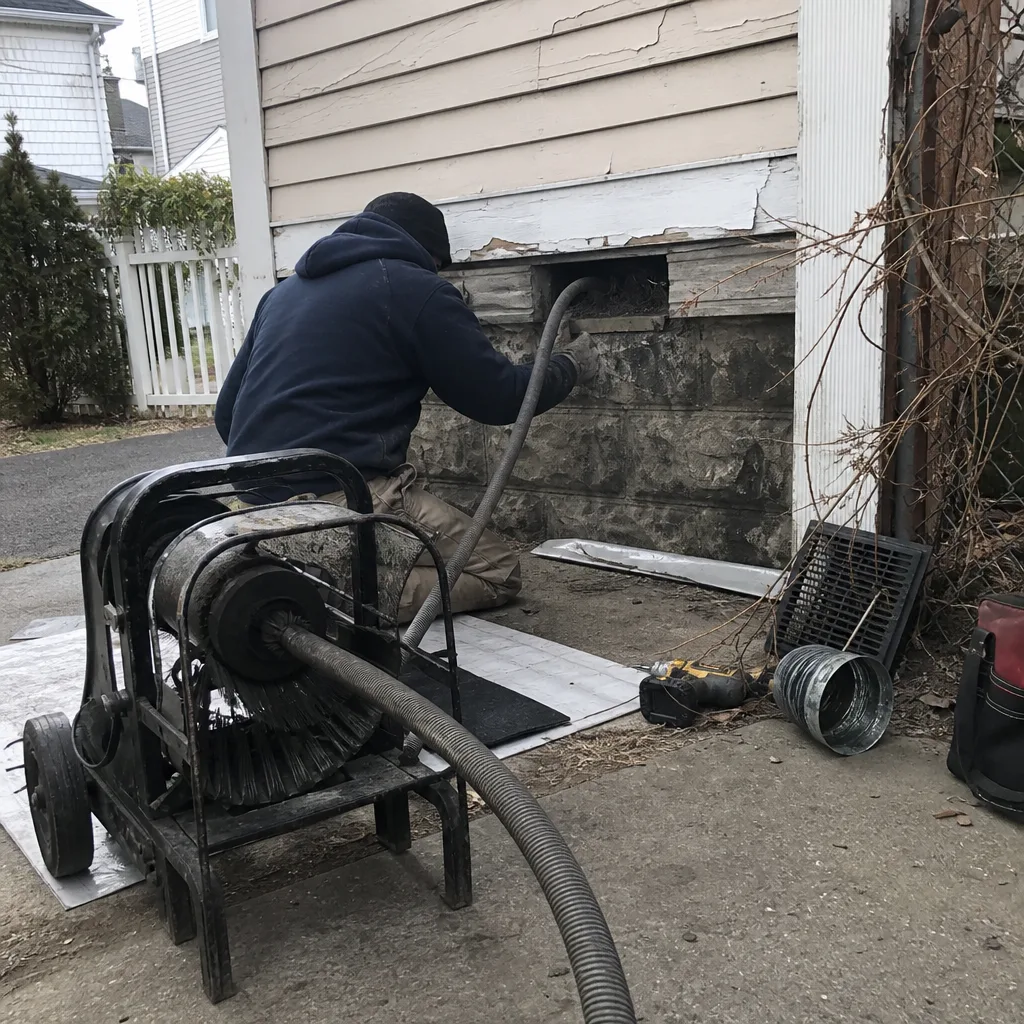 Before
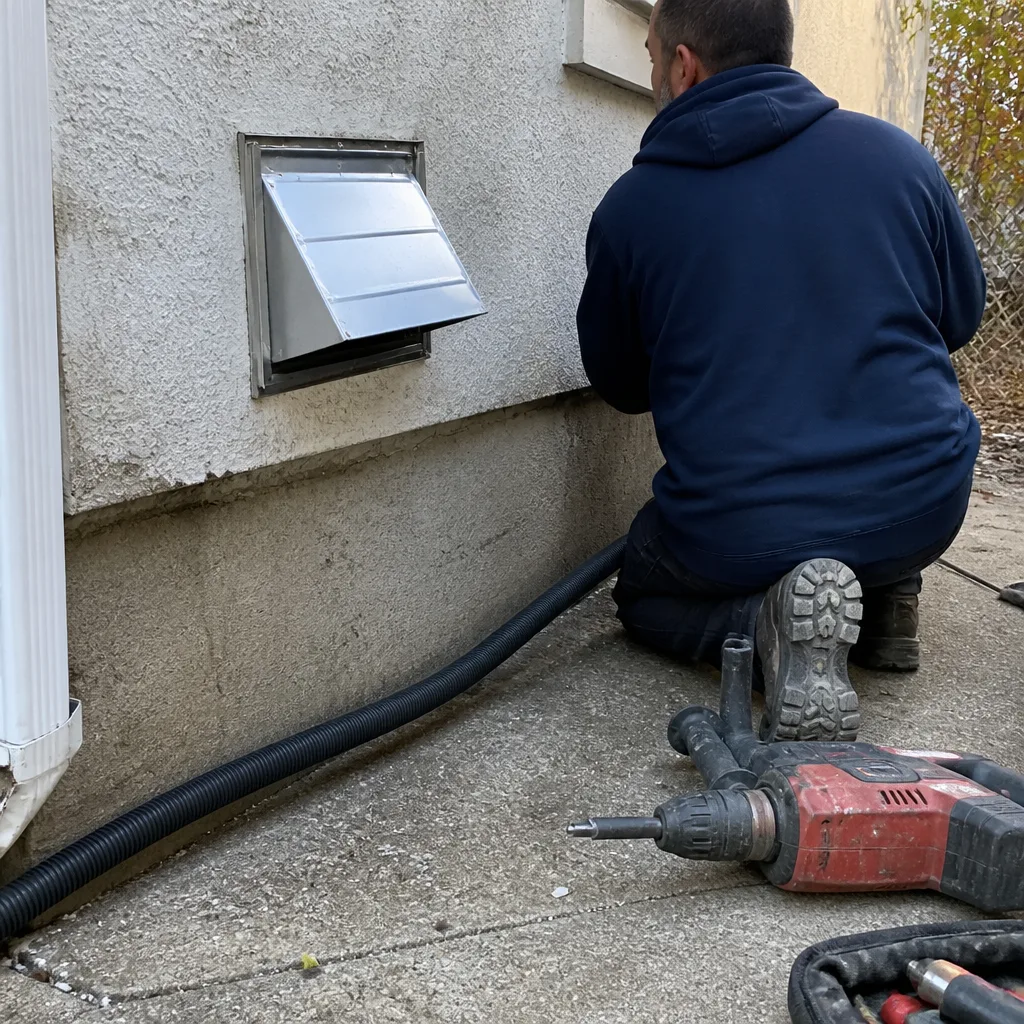 After
After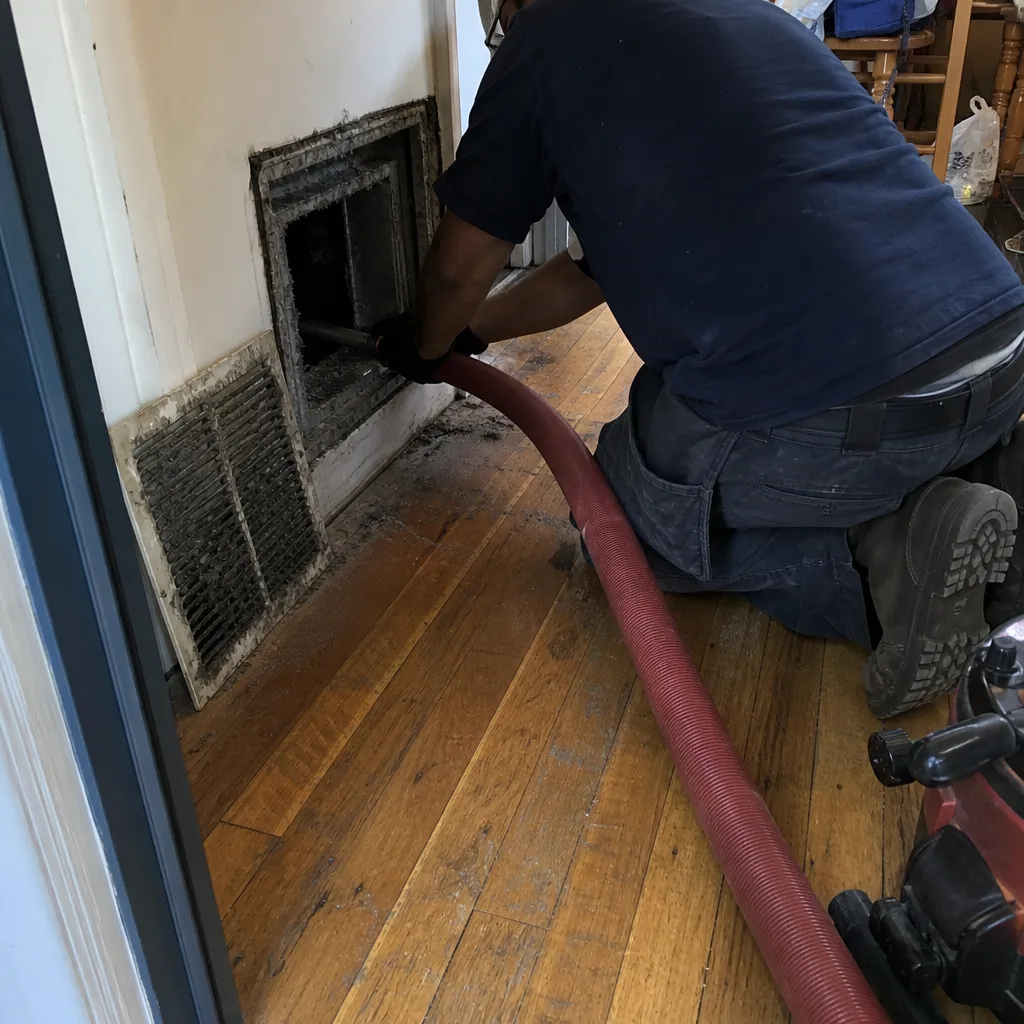 Before
 After
After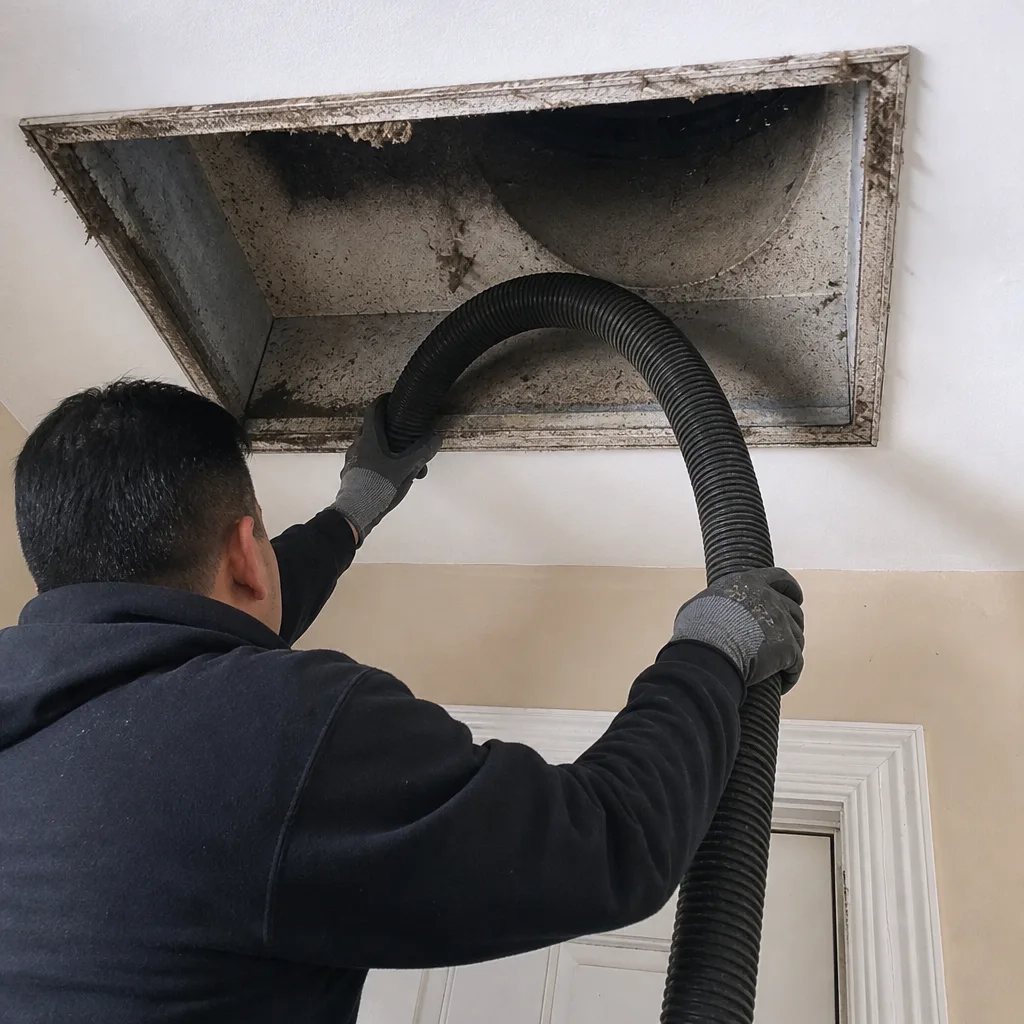 Before
 After
After